No products in the cart.


How Many Solar Batteries to Run a House?
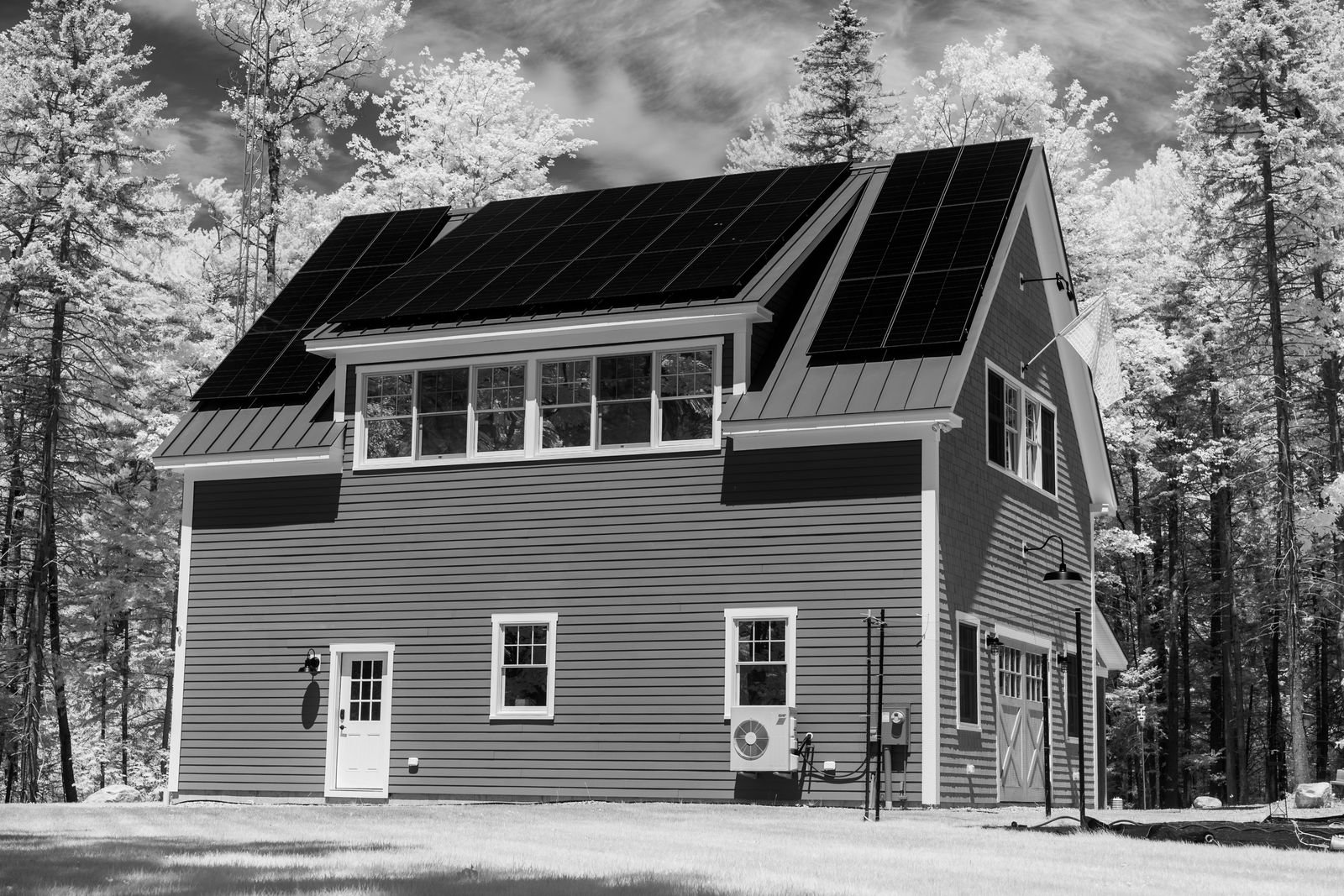
Most US homes need 1 home battery (about 13.5 kWh) to back up essentials during an outage, about 3 batteries to run the whole house for a full day, and 5 or more to live fully off-grid. The right number depends on your daily kWh use, which appliances you want to keep on, and whether solar panels can recharge the batteries each day.

Quick answer
- Average US home: about 899 kWh a month, or about 30 kWh a day (EIA).
- Essentials backup: 1 battery (13.5 kWh) covers a fridge, lights, Wi-Fi and a furnace fan for about a day.
- Whole home for 24 hours: 29.6 kWh ÷ 13.5 kWh = 2.2, so 3 batteries.
- Off-grid with 2 days of storage: about 5 batteries for an average home.
- Cost: about $15,600 installed for one 13.5 kWh battery; whole-home backup averages about $34,000 (EnergySage).
How much electricity does a house use per day?
Battery sizing starts with your daily kWh. Find it on your utility bill or in your utility’s online account. Divide monthly kWh by 30.
The average US home bought about 10,791 kWh in 2022, or about 899 kWh a month (EIA). That works out to 899 ÷ 30.4 = 29.6 kWh a day. Use varies widely. Louisiana homes averaged about 14,774 kWh a year, while Hawaii homes averaged about 6,178 kWh.
Your summer days may be much higher than average if you run central air. A 3-ton AC running 8 hours alone can use about 26 kWh a day.
Do you want backup power or full off-grid?
This choice matters more than anything else.
- Partial (essentials) backup. The battery powers a backup subpanel with your key circuits. This is the most common and lowest-cost setup.
- Whole-home backup. The battery system can power everything, including AC and electric appliances. You need enough energy (kWh) and enough power output (kW).
- Full off-grid. No utility connection at all. You need storage for nights and several cloudy days, usually with a generator as backup.
Going fully off-grid also means sizing your panels for winter. See how many solar panels to power an off-grid house for that side of the math.
How many batteries do I need? (Sizing table)
| Goal | Energy needed | 13.5 kWh batteries |
|---|---|---|
| Essentials for 1 day (fridge, lights, Wi-Fi, furnace fan) | 8–12 kWh | 1 |
| Essentials plus a window AC or well pump | 13–20 kWh | 1–2 |
| Whole home for 1 day (US average) | about 30 kWh | 3 |
| Whole home with central AC on a hot day | about 50 kWh | 4 |
| Off-grid, average home, 2 days of storage | about 60 kWh | 5 |
| Whole home for 3 days with no solar | about 90 kWh | 7 |
The math for each row is the same: energy needed ÷ 13.5 kWh, then round up. For example, 50 kWh ÷ 13.5 = 3.7, so 4 batteries. And 90 kWh ÷ 13.5 = 6.7, so 7.
How many solar batteries to run a house? A worked example
Say you want to keep these running during a summer outage:
- Refrigerator: 1.5 kWh a day.
- LED lights: 1.0 kWh.
- Wi-Fi, TV, phones and laptops: 1.0 kWh.
- Microwave, coffee maker and small loads: 1.0 kWh.
- One 12,000 BTU window AC: 1,100 W × 8 hours = 8.8 kWh.
Total: 1.5 + 1.0 + 1.0 + 1.0 + 8.8 = 13.3 kWh a day. Then 13.3 kWh ÷ 13.5 kWh = 0.99. One battery just covers one day with no sun.
Now add solar. A 7 kW system makes about 7 × 1,350 = 9,450 kWh a year, or 9,450 ÷ 365 = 25.9 kWh on an average day. On a sunny day, that is enough to run the house and refill the battery. So with solar, one battery works for this home, and two give a safer margin for cloudy days or a longer outage.
Remember that panels make nothing after dark. Your battery has to carry you from sunset to sunrise. Read more in do solar panels work at night.
Do I need more batteries for power, not just energy?
Sometimes. Battery capacity (kWh) is how long you can run. Power output (kW) is how much you can run at once. A battery can have plenty of kWh but still trip if you start the AC, dryer and well pump together.
- Tesla lists the Powerwall 3 at 13.5 kWh and up to 11.5 kW of continuous power in the US. Some other home batteries deliver about 5 kW per unit, so you may need two units just for power.
- Central AC, well pumps and other motors have a startup surge. Check that your system can handle it, or add a soft starter.
- Electric ranges, dryers and tank water heaters can each pull 4–5 kW. Many owners leave these off the backup panel.
Our guide on what size solar inverter you need explains how to add up running and surge watts.
How much do home batteries cost?
A 13.5 kWh home battery costs about $15,600 installed on average (EnergySage, July 2026). EnergySage puts Tesla at about $967 per kWh and whole-home backup systems at about $34,000. Prices vary by installer, region and how much electrical work is needed. Extra units often cost less each than the first, since some equipment and labor are shared.
On incentives: the 30% federal tax credit for homeowner-owned systems, which covered batteries, ended for systems placed in service after December 31, 2025. Leases and PPAs may still pass on some savings from a business credit, but that isn’t guaranteed. Check state and utility programs in our solar rebates and tax credits guide. For model-by-model pricing, see Tesla Powerwall cost.
Safety note: Home batteries connect to your main panel at 120/240 V. Have a licensed electrician or certified installer do the work. Installs must meet the National Electrical Code (NEC) and local fire codes, and most need a permit and utility approval.
Frequently asked questions
Can one Powerwall run a whole house?
For a few hours, often yes. For a full day, usually no. An average home uses about 30 kWh a day, more than twice one 13.5 kWh battery. With solar recharging it daily, one battery can cover a careful household.
How long will a 13.5 kWh battery last during an outage?
Divide 13.5 kWh by your hourly use. At 0.5 kW for essentials, that is 13.5 ÷ 0.5 = 27 hours. At 1.5 kW for a busier home, it is 9 hours.
How many batteries do I need to go off-grid?
For an average home with 2 days of storage, about 60 kWh, or 5 batteries of 13.5 kWh. Cutting your daily use lowers that number fast.
Do I need solar panels to use a home battery?
No. A battery can charge from the grid and act as backup. But without solar, it can’t recharge during a long outage. Learn more in our solar batteries guide.
Sources
- EIA: How much electricity does an American home use?
- Tesla: How Powerwall Works
- U.S. Department of Energy: Off-Grid or Stand-Alone Renewable Energy Systems
Last updated: October 2026. Battery counts and costs are estimates; prices change, and your installer should size your system. This article is for information only and is not financial or electrical advice.




Leave a Reply


- Trending
- Latest
- Comments












Solar Energy Supply Stores provides current solar prices in Nigeria, expert product reviews, comparisons, and practical buying guides for solar panels, inverters, batteries, generators, and complete solar systems nationwide.
Comments 1