No products in the cart.


Do Solar Panels Work at Night? What Powers Your Home After Dark
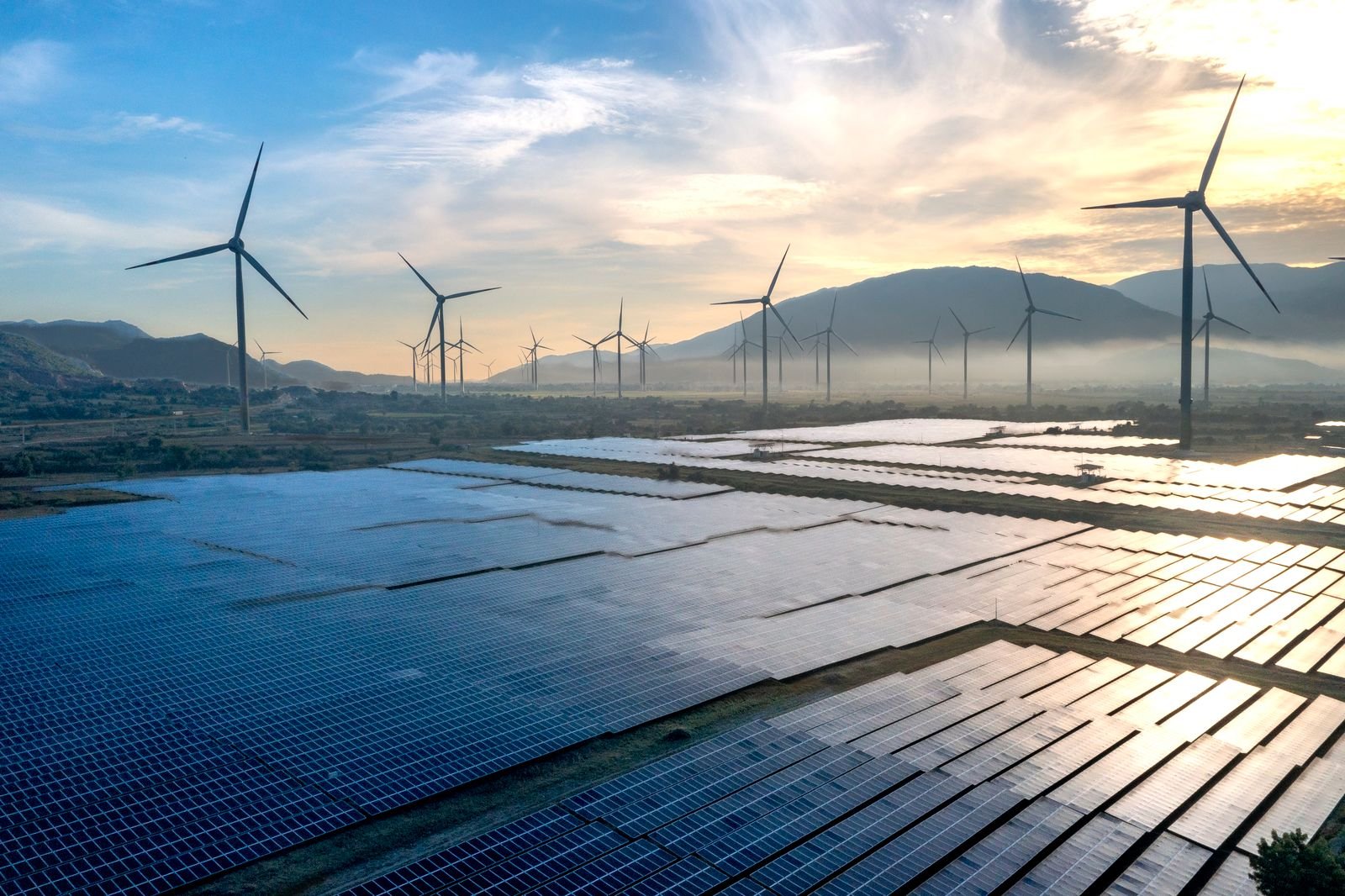
No, solar panels do not work at night. They make 0 watts of usable power after sunset, and even a full moon is roughly 400,000 times dimmer than the sun. At night, your home runs on the grid, on net metering credits, or on a battery charged during the day.

Quick answer
- At night: panels produce nothing useful. Output starts again around sunrise.
- Grid-tied homes: the grid powers you after dark. Net metering credits can cover the cost.
- Battery homes: a 13.5 kWh battery covers a typical evening and night if you go easy on big loads.
- Moonlight and streetlights: far too weak to matter.
- Cloudy days: panels still work, often at 10–25% of full output.
Why don’t solar panels work at night?
Solar panels need light to make electricity. Photons from sunlight hit the silicon cells and free up electrons. No light means no current.
Panels also cannot “save up” daytime power for later. They have no storage inside. If you want to understand where extra daytime solar can go, read can you store solar energy?
Your inverter actually goes to sleep at dusk. Most inverters need a minimum voltage to turn on. Once light fades, they shut down until morning. Some even draw a few watts from the grid overnight to stay ready.
Do solar panels work with moonlight?
Technically a tiny bit, but not in any useful way. Moonlight is just sunlight bouncing off the moon, and most of it is lost on the way.
Here is the math for a 7 kW home system under a full moon:
- Full sun output: about 7,000 watts at best
- Full moon light: roughly 1/400,000 of full sun
- 7,000 W ÷ 400,000 = about 0.02 watts
That would not light a single LED bulb, and it is far below what your inverter needs to wake up. Real output is zero. The same goes for streetlights and porch lights.
What powers a solar home at night?
It depends on your setup. Most US solar homes are grid-tied without batteries.
| Setup | Daytime power | Nighttime power | Blackout at night? |
|---|---|---|---|
| Grid-tied, no battery | Solar first, extra to grid | Grid (paid with credits or cash) | Lights go out |
| Grid-tied with battery | Solar, charges battery | Battery, then grid | Battery keeps key loads on |
| Off-grid | Solar, charges battery | Battery only (or generator) | No grid to lose |
Solar battery vs. the grid at night: which is better?
For most homes, the grid is cheaper. A battery is better for backup and for places where exported solar earns little.
Using the grid at night costs about 18.2¢ per kWh on average in 2026 (EIA). If you have full retail net metering, your daytime exports cover much of that. You need no extra equipment.
Using a battery at night means your own solar powers the evening. A 13.5 kWh battery costs about $15,600 installed (EnergySage, 2026). It makes the most sense when:
- Your utility pays a low rate for exports, as with California’s NEM 3.0
- You have time-of-use rates with expensive evening hours
- Outages are common where you live
Compare models and chemistries in our solar batteries guide, or see Tesla Powerwall cost for the best-known option. If a battery isn’t in the budget, these battery-free methods shift some of your solar into the evening for much less.
How big a battery do you need for nighttime?
Start with how much power you use from sunset to sunrise. Here is a worked example for an average home:
- Average US home: about 865 kWh a month (EIA, 2024). 865 ÷ 30 = about 29 kWh a day.
- Assume 45% of that is used after dark (our estimate; evenings are busy). 29 × 0.45 = about 13 kWh.
- Most batteries keep a reserve. Assume 90% is usable: 13 ÷ 0.9 = about 14.5 kWh of battery.
So one 13.5 kWh battery comes close. Two give room for an AC or EV charging at night.
| Nighttime use | What it covers | Battery size (approx.) |
|---|---|---|
| 3–5 kWh | Fridge, lights, Wi-Fi, TV, phones | 5–6 kWh |
| 8–12 kWh | Above, plus cooking, laundry, some fans | 10–14 kWh |
| 13–20 kWh | Typical full evening and night with some AC | 15–22 kWh |
| 20+ kWh | Central AC all night, electric heat, EV charging | 25 kWh or more |
For a detailed load-by-load method, see how many solar batteries to run a house.
Do solar panels work on cloudy days?
Yes. Clouds block direct sun, but diffuse light still gets through. Output under heavy clouds is often 10–25% of normal. Under light clouds, it can be much higher.
Shorter days matter too. In winter, northern homes get fewer sun hours, so they lean on the grid or a battery for longer each night. We break down month-by-month output in do solar panels work in winter?
Can solar panels work in a blackout at night?
Only with a battery. Grid-tied inverters must shut off when the grid goes down, so line workers stay safe. Without a battery, a solar home loses power in a blackout, day or night.
Adding backup involves 240V wiring and a transfer switch or backup gateway. Use a licensed electrician, follow the National Electrical Code (NEC), and get any local permits.
Frequently asked questions
Do solar lights work at night?
Yes, because they have a small built-in battery. The panel charges it during the day, and the light runs from the battery at night.
When do solar panels start working in the morning?
Output begins around sunrise, but it is low at first. Most systems reach strong output by mid-morning and peak around solar noon.
Do I pay for electricity at night with solar?
If you don’t have a battery, you buy grid power at night. Net metering credits from daytime exports may offset some or all of that cost, depending on your utility’s rules.
Are there solar panels that work at night?
Researchers have tested devices that make tiny amounts of power from heat radiating into the night sky. Output is a very small fraction of a daytime panel, and none are sold for home use.
Sources
- US Department of Energy: Solar Energy Storage Basics
- EIA: Average residential electricity use and bills (2024)
- NREL PVWatts Calculator
Last updated: October 2026. Battery sizes and usage splits are estimates; have an installer size your system. This article is for information only and is not electrical advice.



Leave a Reply


- Trending
- Latest
- Comments




Solar Energy Supply Stores provides current solar prices in Nigeria, expert product reviews, comparisons, and practical buying guides for solar panels, inverters, batteries, generators, and complete solar systems nationwide.
Comments 3