No products in the cart.


Solar Panels in Texas (2026): Cost, Incentives & Is It Worth It
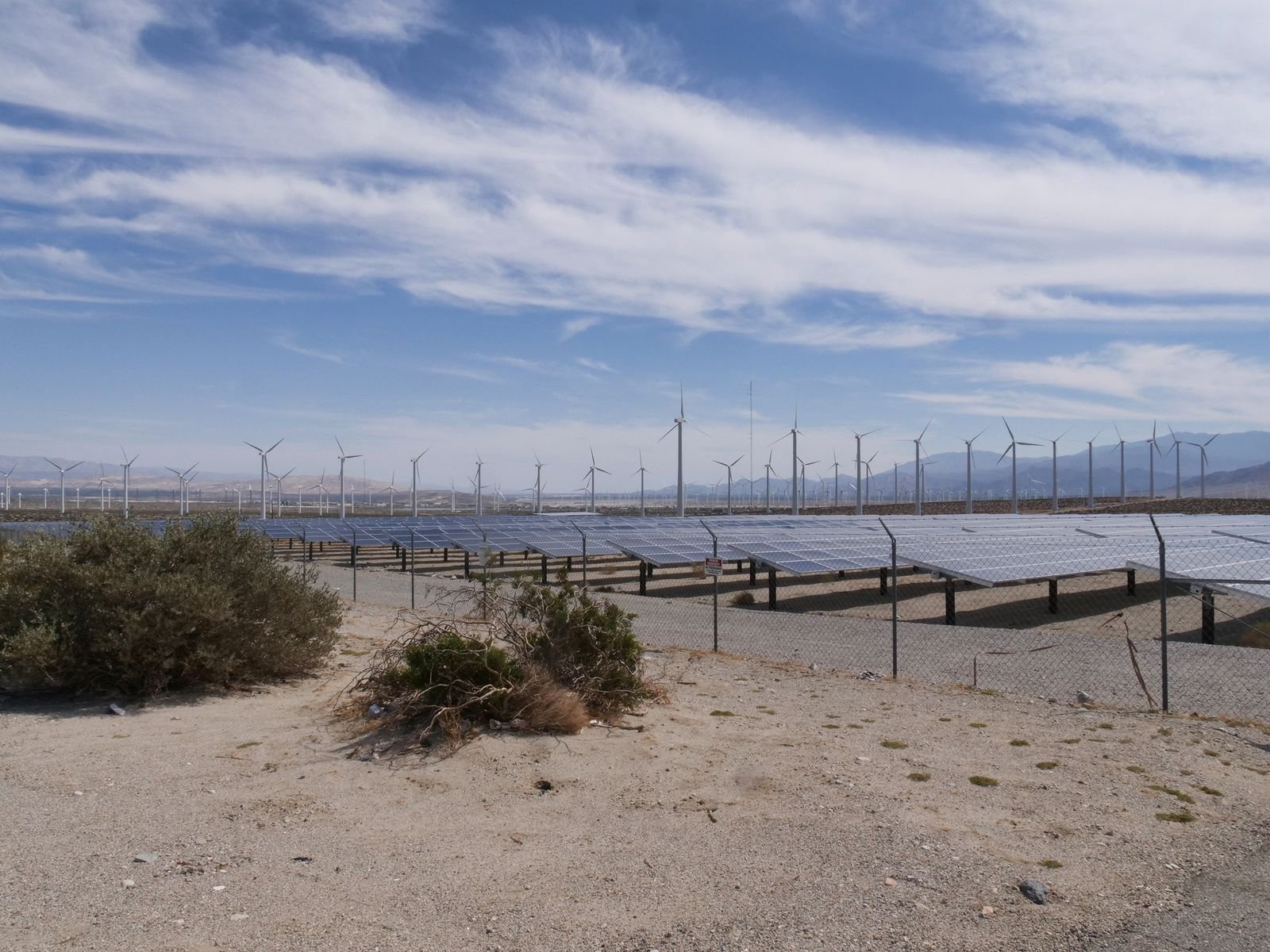
Solar panels in Texas cost about $2.25 per watt installed in 2026, or roughly $22,500 for a 10 kW system (EnergySage, October 2026). Texas has no statewide solar rebate, and the 30% federal credit ended after 2025. Your best incentives now are the state property tax exemption, a few utility rebates, and a good buyback plan. For many homes, payback is about 10–14 years.

Quick answer
- Cost: About $2.25/W, so a 10 kW system runs about $22,500 before incentives.
- State rebate: None. Texas offers a property tax exemption on the value solar adds to your home.
- Utility rebates: Austin Energy pays $4,000. AEP, New Braunfels Utilities and San Marcos have offered $1,500–$3,000.
- Buyback: No statewide net metering. Your retail plan or city utility sets what exports are worth.
- Worth it? Often yes for owners who stay 12+ years, use a lot of power, and pick a fair buyback plan.
How much do solar panels cost in Texas?
EnergySage puts the Texas average at about $2.25 per watt in October 2026. That’s below the US average of about $2.60/W. Texas homes also tend to need larger systems because of air conditioning. EnergySage’s typical Texas system is about 13 kW, at an average of $29,302.
| System size | Math | Estimated cost | Yearly output (about 1,500 kWh/kW) |
|---|---|---|---|
| 6 kW | 6,000 W × $2.25 | $13,500 | 9,000 kWh |
| 8 kW | 8,000 W × $2.25 | $18,000 | 12,000 kWh |
| 10 kW | 10,000 W × $2.25 | $22,500 | 15,000 kWh |
| 13 kW | 13,000 W × $2.25 | $29,250 | 19,500 kWh |
Texas gets strong sun. A rough guide is about 1,500 kWh per kW per year, above the US average of about 1,350. Your installer’s quote should give an exact figure for your roof. For national prices, see our solar panel cost guide.
What solar incentives does Texas offer in 2026?
Texas has no state rebate check and no state solar tax credit. Texas also has no state income tax, so there’s nothing to credit against. The main statewide benefit is a property tax break.
The federal 30% credit ended for systems placed in service after December 31, 2025. Read what’s left of solar rebates and tax credits for 2025 claims and carryforward rules.
Texas solar property tax exemption
Under Texas Tax Code §11.27, the value a solar energy system adds to your home is exempt from property tax. You apply through your county appraisal district, usually with Comptroller Form 50-123. Ask your appraisal district for its deadline.
What it’s worth: if the system adds $22,500 in value and your total tax rate is 1.47% (EnergySage’s Texas average), then $22,500 × 1.47% = about $331 a year you don’t pay. Many Texas areas have higher rates, so the savings can be larger.
Which Texas utilities offer solar rebates?
Rebates depend on who delivers your power. Here are programs reported for 2026:
| Utility | Reported incentive | Key rules |
|---|---|---|
| Austin Energy | $4,000 | See our Austin Energy guide |
| AEP Texas (SMART Source) | $1,500–$3,000 | Varies by system size; paid through installers |
| New Braunfels Utilities | Up to $3,000 | Systems of at least 3 kW |
| San Marcos (SMTX) | $1/W, up to $2,500 | Capped at 50% of installed cost |
| Oncor | Amount not published | Solar plus battery, 3–15 kW; paid to installers; runs in yearly funding windows |
| CPS Energy (San Antonio) | Check current amount at cpsenergy.com | Rebate tiers change; confirm before signing |
Austin Energy offers one of the largest utility rebates in Texas, currently $4,000 for eligible customers; see our Austin Energy solar rebate guide for eligibility and how to apply. Most rebates must be approved before installation starts, so apply first.
How do solar buyback plans work in Texas?
Texas has no statewide net metering rule. What you earn for extra solar depends on where you live:
- Deregulated areas (Houston, Dallas–Fort Worth and much of the state): you choose a retail electric provider. Some offer a solar buyback plan. A few credit exports at the full retail rate; others pay a wholesale or fixed lower rate.
- City-owned utilities and co-ops (Austin, San Antonio, many rural areas): the utility sets the rules. CPS Energy, for example, uses net metering with extra credits at a lower rate.
Read the fine print on any plan. Check the export rate, whether credits roll over or expire, monthly fees, and the contract length. A plan with a high energy rate can wipe out a good buyback rate.
Are solar panels worth it in Texas?
Here’s a worked example for a 10 kW system. We assume you pay 15¢/kWh for grid power and get 6¢/kWh for exports. Check your own bill and plan for real numbers.
- Cost: 10,000 W × $2.25 = $22,500
- Yearly output: 10 kW × 1,500 kWh = 15,000 kWh
- Used at home (60%): 9,000 kWh × $0.15 = $1,350
- Exported (40%): 6,000 kWh × $0.06 = $360
- Yearly value: $1,350 + $360 = $1,710
- Simple payback: $22,500 ÷ $1,710 = about 13.2 years
| Scenario | Net cost | Yearly value | Payback |
|---|---|---|---|
| No rebate, 6¢ buyback | $22,500 | $1,710 | 13.2 years |
| $3,000 utility rebate, 6¢ buyback | $19,500 | $1,710 | 11.4 years |
| No rebate, retail-rate buyback (15¢) | $22,500 | $2,250 | 10.0 years |
Panels usually carry 25-year warranties, so a 10–14 year payback leaves many years of savings. Solar makes less sense if you’ll move soon or your roof needs replacing within a few years. If you need to finance, compare solar loan options before you sign a lease.
Do I need a battery for power outages in Texas?
Standard grid-tied solar shuts off during a blackout. This is a safety rule that protects line workers. To keep power on, you need a battery and a system built for backup.
After Winter Storm Uri in February 2021 and frequent summer grid alerts, many Texans want backup. A 13.5 kWh battery costs about $15,600 installed (EnergySage, July 2026). Whole-home backup with several batteries runs about $34,000. Compare options in our Tesla Powerwall cost guide and solar batteries guide.
Some Texas utilities pay you to share your battery at peak times. Austin Energy’s Power Partner program is one example. Oncor’s rebate requires a battery. Check current terms before you buy.
Frequently asked questions
Does Texas have a solar tax credit?
No. Texas has no state income tax and no state solar credit. The main state benefit is the property tax exemption under Tax Code §11.27.
Is there free solar in Texas?
No. “Free solar” ads usually mean a lease or PPA with no money down. You still pay monthly, often for 20–25 years. Read the contract closely.
Can an HOA stop me from going solar in Texas?
Generally no. Texas Property Code §202.010 limits HOA bans on solar, though HOAs can set some placement rules. Check your HOA’s guidelines before installing.
How long does solar take to pay off in Texas?
About 10–14 years in our examples. A utility rebate, high electric rates, or a retail-rate buyback plan can shorten it.
Sources
- Texas Comptroller: Property tax exemptions
- Austin Energy: Home solar rebate
- EnergySage: Texas solar rebates and incentives
- DSIRE: State and utility incentive database
Last updated: October 2026. Rebate amounts and buyback plans change often; confirm with your utility and appraisal district. This article is for information only and is not tax or financial advice.





Leave a Reply


- Trending
- Latest
- Comments










Solar Energy Supply Stores provides current solar prices in Nigeria, expert product reviews, comparisons, and practical buying guides for solar panels, inverters, batteries, generators, and complete solar systems nationwide.
Comments 3