No products in the cart.


How to Clean Solar Panels Safely (and How Often)
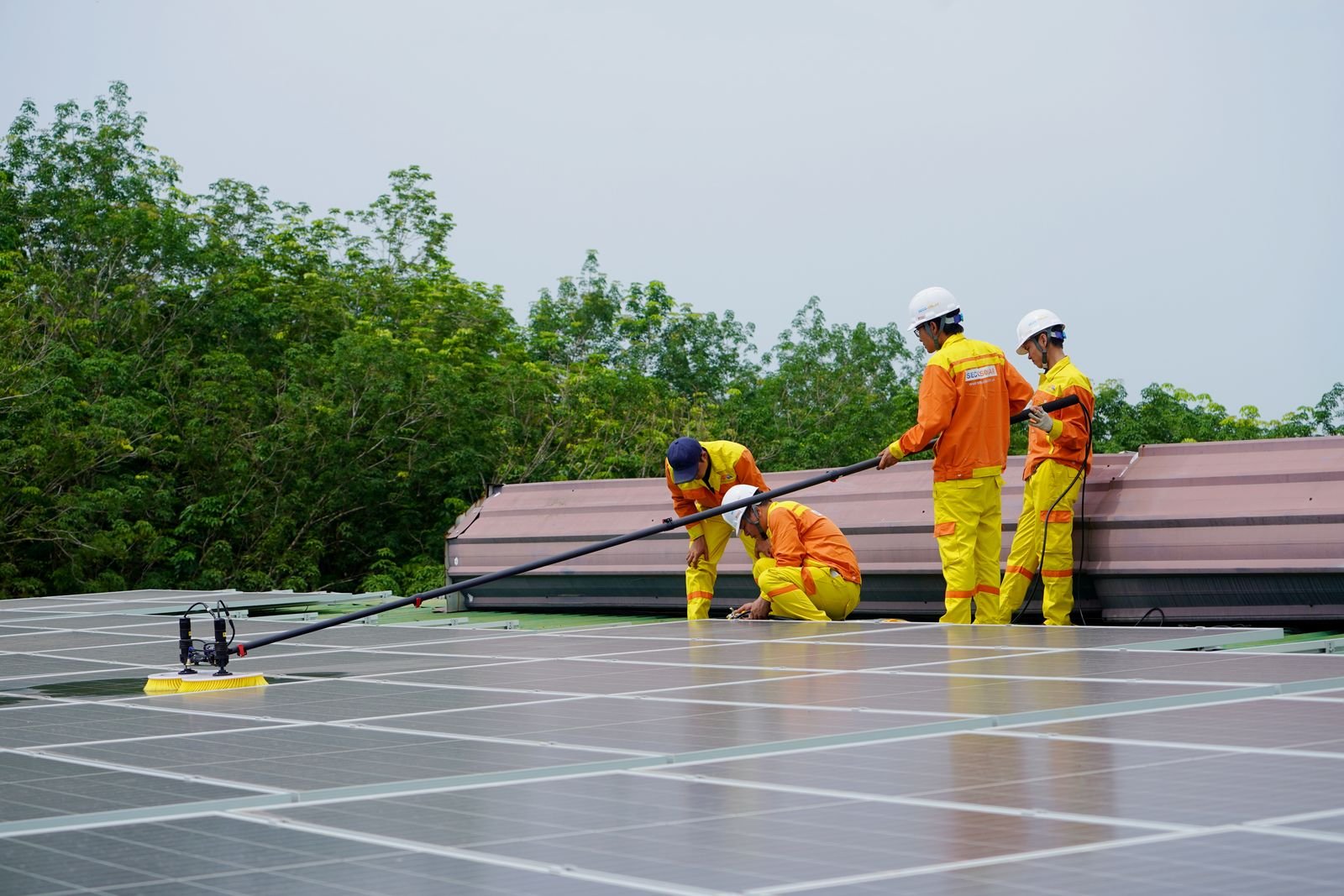
Most home solar panels in the US need cleaning only once or twice a year, and many never need it where regular rain rinses them. Light dirt usually costs a few percent of output, but heavy dust or pollen can cost 10–15%. When you do clean, use a soft brush and plain or deionized water, ideally from the ground.

Quick answer
- How often: once or twice a year in dusty or dry areas; often never in rainy areas.
- Tools: soft brush on an extension pole, a garden hose, and mild soap or deionized water.
- Never use: pressure washers, abrasive pads, harsh chemicals, or your feet.
- Best time: early morning or evening, when panels are cool.
- Warranty: follow the maker’s cleaning rules in the installation manual.
Do solar panels need to be cleaned?
Sometimes. Panels are tilted glass, so rain washes off most loose dust. But some grime sticks. Pollen, bird droppings, farm dust, and soot from busy roads can stay on the glass even after a storm.
Researchers at the National Renewable Energy Laboratory (NREL) studied pollen on solar plants. They found output fell by as much as 15% at the peak of pollen season. Rain removed some pollen, but not all of it. Those were large solar plants, so home results will vary, but the lesson is the same: rain alone doesn’t always do the job.
How often should you clean solar panels?
It depends on where you live and what lands on your roof. Use this table as a starting point.
| Your situation | Typical cleaning need | Why |
|---|---|---|
| Rainy climate (Pacific Northwest, Southeast) | Rarely or never | Frequent rain keeps glass fairly clear |
| Dry, dusty climate (Southwest deserts) | 1–2 times a year | Long dry spells let dust build up |
| Heavy spring pollen | Once after pollen season | Pollen sticks and rain doesn’t fully remove it |
| Near farms, dirt roads or construction | 2–4 times a year | Fine dust settles constantly |
| Bird droppings on panels | Spot-clean as needed | Even a small spot can shade cells |
| Flat or low-tilt panels (under about 10°) | More often | Water pools and leaves dirt rings at the edge |
The best guide is your own data. Check your monitoring app. If output on clear days drops steadily over a few weeks and bounces back after rain, dirt is likely the cause.
How much power do dirty solar panels lose?
Here is a worked example for a typical 7 kW home system, using about 1,350 kWh per kW per year and the 2026 average US rate of 18.2¢ per kWh.
- Yearly output: 7 kW × 1,350 kWh = 9,450 kWh
- Light dirt (3% loss): 9,450 × 0.03 = 284 kWh × $0.182 = about $52 a year
- Moderate dirt (5% loss): 9,450 × 0.05 = 473 kWh × $0.182 = about $86 a year
- Heavy dust or pollen (10% loss): 9,450 × 0.10 = 945 kWh × $0.182 = about $172 a year
Your numbers depend on your system size and rates. You can estimate your yearly output with our solar power calculator.
How do you clean solar panels step by step?
- Read the manual. Find your panel maker’s cleaning section. It lists allowed tools and cleaners.
- Pick a cool time. Clean early in the morning or in the evening. Cold water on hot glass can stress it, and soap dries into streaks in the sun.
- Stay on the ground if you can. Use a soft-bristle brush on an extension pole. Most roofs can be reached this way from a ladder at the eave or from the ground.
- Rinse first. Spray with a garden hose at normal pressure to loosen dust.
- Brush gently. Use a bucket of water with a little mild dish soap. Brush top to bottom. For hard water areas, deionized water avoids spots.
- Rinse again. Wash off all soap so it doesn’t leave a film that holds dust.
- Check results. Compare output on the next clear day with the days before.
For ground-mounted or shed panels, the job is even easier. You can reach every panel safely. A small off-grid array, like a solar setup for a shed, may be worth a quick wipe every few months because each panel matters more.
What should you not use to clean solar panels?
- Pressure washers: high pressure can damage seals and the frame-to-glass bond and push water into the panel.
- Abrasive pads, steel wool, or rough sponges: they scratch the anti-reflective coating.
- Harsh chemicals: skip bleach, ammonia-heavy glass cleaners, and solvents unless the maker approves them.
- Walking or kneeling on panels: it can cause micro-cracks you can’t see that cut output for years.
- Hard water in full sun: it leaves mineral spots that scatter light.
Does cleaning solar panels void the warranty?
Gentle cleaning does not. Damage from the wrong method can. Most panel makers publish cleaning rules in their installation manual. They usually allow soft brushes and water, and they usually exclude damage from pressure washing, abrasives, or harsh cleaners. Read your own manual, because the rules differ by brand.
If you lease your system or have a service plan, ask your installer first. Some contracts include cleaning or say who may touch the array.
Is it worth paying for professional solar panel cleaning?
Only when the math works. Pro cleaning for a typical home often runs about $100–$300 per visit, based on common US quotes. Prices vary by region, roof height and panel count.
- Value of a 5% loss on a 7 kW system: about $86 a year (from above)
- One pro visit: about $150
- Result: $86 − $150 = a loss of about $64. Cleaning costs more than it earns back.
A pro visit makes more sense with heavy soiling (10% or more), a big system, a steep or high roof you shouldn’t climb, or when the visit also includes an inspection. For most homes in rainy regions, letting the rain do the work is the best value.
Should you clean snow off solar panels?
Usually no. Snow slides off tilted panels on its own once the sun warms the dark glass. Scraping can scratch the glass, and climbing an icy roof is dangerous. If you must, use a foam roof rake made for panels, from the ground. See do solar panels work in winter for more.
Safety note: Falls from roofs cause serious injuries, so hire a pro for steep or two-story roofs. Never touch wiring, connectors or the inverter while cleaning. Panels make power whenever light hits them. If you see a cracked panel, burn marks or loose cables, stop and call your installer or a licensed electrician. Repairs to grid-tied or 120/240 V equipment must follow the NEC and local permit rules. For more hands-on projects, see our DIY solar hub and our guide to wiring solar panels.
Frequently asked questions
Can I clean solar panels with a garden hose?
Yes. A garden hose at normal pressure is the safest way to rinse panels. Pair it with a soft brush for stuck-on dirt.
Can I use Windex on solar panels?
It’s best to avoid it. Many glass cleaners contain ammonia or alcohol that can harm coatings or leave film. Mild soap and water is safer unless your maker approves a specific cleaner.
Does rain clean solar panels?
Rain removes loose dust well. It does a poorer job on pollen, bird droppings and greasy grime, as NREL’s pollen study found.
How do I know if my panels need cleaning?
Look for visible grime, and compare clear-day output in your monitoring app over several weeks. A steady drop that recovers after rain points to dirt.
Sources
- NREL: Research Finds Rain Not Enough To Wash Pollen From Solar Panels
- U.S. Department of Energy: Homeowner’s Guide to Solar
- U.S. Energy Information Administration: Short-Term Energy Outlook
Last updated: October 2026. Cleaning costs and loss figures are estimates and vary by location. This article is for information only and is not electrical advice.



Leave a Reply


- Trending
- Latest
- Comments





Solar Energy Supply Stores provides current solar prices in Nigeria, expert product reviews, comparisons, and practical buying guides for solar panels, inverters, batteries, generators, and complete solar systems nationwide.