No products in the cart.


Solar Panel Kits: What’s Included & How to Choose
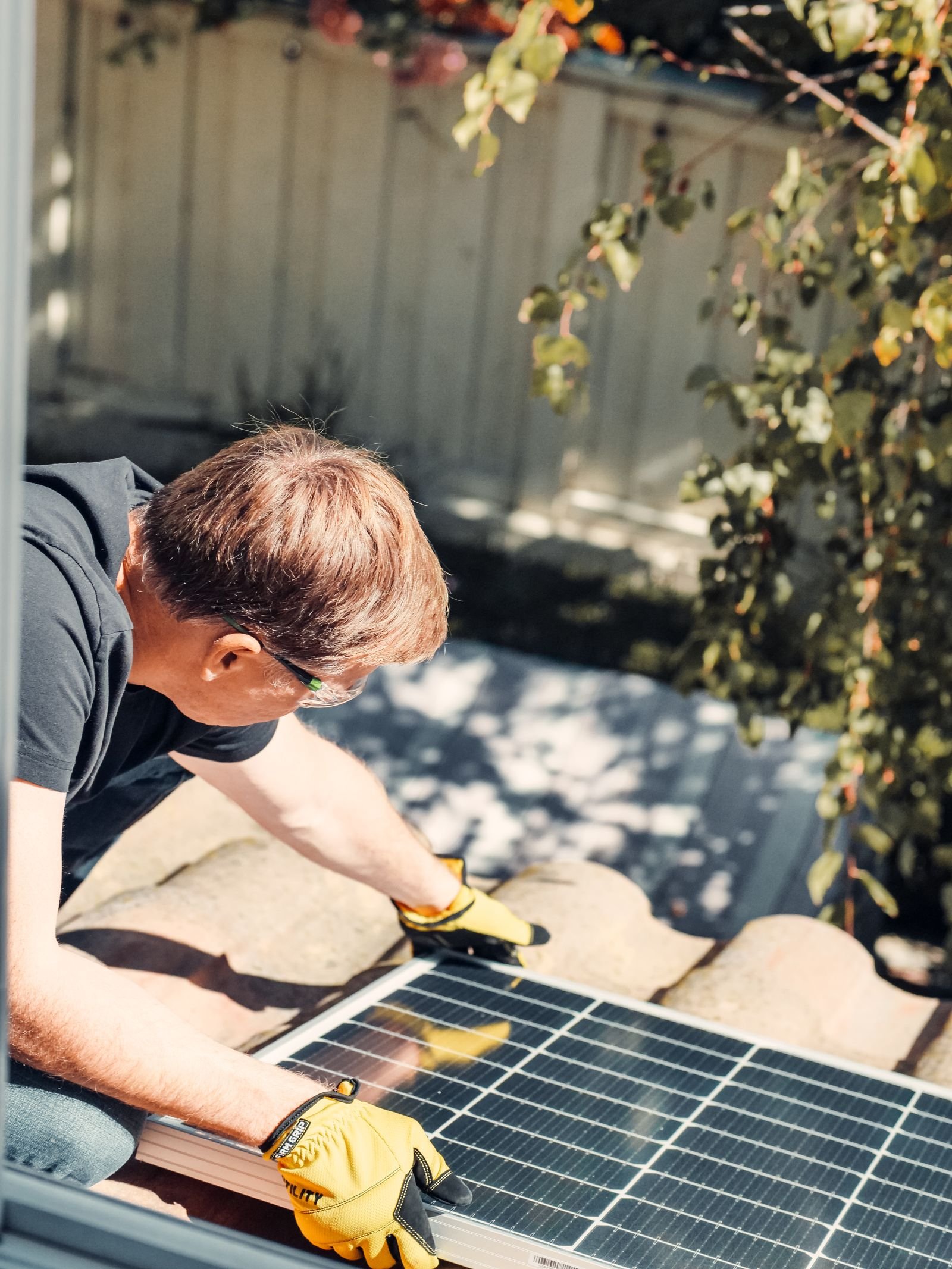
A solar panel kit bundles panels with the parts that match them. Small 200–400 W kits for RVs and sheds cost about $230–$700, while DIY grid-tie home kits start around $5,700 for 3 kW and $7,800 for 4 kW, before installation and permits. The right kit depends on whether you’re powering a vehicle, a shed, a cabin, or your home on the grid.

Quick answer
- Four main types: portable (power station bundles), 12 V RV and shed kits, whole-home off-grid kits, and grid-tie kits.
- Usually included: panels, charge controller or inverter, cables and connectors. Batteries and mounts vary.
- Size it: panel watts ≈ daily Wh ÷ (sun hours × 0.75).
- Check: MPPT vs PWM, battery chemistry, inverter type, UL listings and warranty length.
- Tax credit: the 30% federal credit ended for home systems placed in service after Dec 31, 2025.
What types of solar panel kits are there?
| Kit type | Typical size | Best for | Typical price range |
|---|---|---|---|
| Portable power station + folding panel | 100–400 W panel, 1–4 kWh battery | Camping, outages, renters | About $500–$3,000 |
| 12 V RV, van and shed kits | 100–800 W | RVs, vans, boats, sheds, small cabins | About $160–$700 (no battery); $1,500–$2,500 with battery |
| Whole-home off-grid kits | 3–15 kW, 48 V battery bank | Cabins and homes with no grid | Often $10,000+ depending on battery size |
| Grid-tie DIY kits | 2–12 kW | Homes on the grid, cutting bills | About $4,600–$13,000 before install |
Portable kits
A power station is a battery, inverter and charge controller in one box. Pair it with a folding panel and you have a plug-and-play system with no wiring. It’s the easiest option, but the cost per kWh of storage is higher. Compare brands in EcoFlow vs Jackery, and see portable solar panels for RVs.
12 V RV, van and shed kits
These include rigid panels, a charge controller, cables and often mounting brackets. You add a 12 V battery and, if you need AC, an inverter. They are the classic DIY starting point. See our solar setup for a shed for a full plan.
Whole-home off-grid kits
These pair many panels with a 48 V hybrid inverter that outputs 120/240 V split phase, plus a large lithium battery bank. They can run a full house, but they are serious electrical systems that need permits and, in most places, a licensed electrician.
Grid-tie kits
These include panels, microinverters or a string inverter, racking and design help. They have no batteries. You still need a permit, utility approval to connect, and an inspection. Many owners do the racking and panels themselves and hire an electrician for the final connection.
What comes in a solar panel kit?
| Part | Portable | 12 V RV/shed | Off-grid home | Grid-tie |
|---|---|---|---|---|
| Panels | Yes (folding) | Yes | Yes | Yes |
| Charge controller | Built in | Yes | Built into inverter | Not needed |
| Battery | Built in | Sometimes | Usually | No |
| Inverter | Built in | Sometimes | Yes | Yes (micro or string) |
| Mounts or racking | Kickstand | Often brackets | Sometimes | Usually |
| Cables, fuses, breakers | Cables only | Cables, sometimes fuses | Partial | Partial |
“Complete” rarely means complete. Budget extra for fuses, breakers, battery cables, a battery monitor, and permit fees.
What size solar kit do I need?
For an off-grid kit, start from daily energy use. Here is an RV example using 4.5 peak sun hours and 25% losses.
- Daily use: 12 V fridge 600 Wh + lights 100 Wh + devices 200 Wh = 900 Wh
- Usable sun per panel watt: 4.5 × 0.75 = 3.4 Wh per W
- Panel size: 900 Wh ÷ 3.4 = 265 W, so a 400 W kit leaves room for cloudy days
- Battery: 900 Wh × 1.5 days ÷ 0.9 = 1,500 Wh, about 12V 120Ah LiFePO4 or more
For a grid-tie kit, start from yearly use. A home using 9,450 kWh a year at about 1,350 kWh per kW needs 9,450 ÷ 1,350 = 7 kW. Our solar power calculator does this with your ZIP code. To match inverters, see what size solar inverter you need.
What should you look for in a solar panel kit?
- MPPT, not PWM: MPPT controllers capture more power and let you wire panels in series. PWM is fine only for small, cheap setups.
- Controller headroom: pick a controller that can handle one or two more panels later.
- LiFePO4 batteries: they last far more cycles than lead-acid and can use about 90% of capacity.
- Pure sine wave inverter: needed for motors, tools and most electronics.
- Listings: UL 61730 for panels and UL 1741 for inverters, required for permitted home systems.
- Warranties: 25 years on panel output is common; 5–10 years on batteries and inverters.
- Support: grid-tie sellers that provide permit plan sets save a lot of time.
Which solar panel kits are worth comparing?
These are real kits sold in the US as of October 2026, one or two for each type. This is a research-based comparison from published specs and listed prices. We have not tested them hands-on, and none are affiliate links.
| Kit | Type | What’s in it | Listed price (Oct 2026) |
|---|---|---|---|
| Renogy 200W 12V Starter Kit (N-type cells) | 12 V RV/shed | Two 100 W panels, charge controller, cables | About $230 |
| Renogy 400W 12V Starter Kit | 12 V RV/shed | Four 100 W panels, controller options, cables | From about $395 |
| Jackery Solar Generator 1000 v2 with 200W SolarSaga panel | Portable | About 1 kWh LiFePO4 power station, 200 W folding panel | Often about $650–$1,000, depending on sales |
| Signature Solar EG4 6000XP complete off-grid kit | Off-grid home | EG4 6000XP inverter, LiFePO4 battery bank, panels | Varies widely by battery and panel count |
| GoGreenSolar 4kW DIY kit with microinverters | Grid-tie | Panels, microinverters, racking, permit plan help | From about $7,780 |
| Northern Arizona Wind & Sun 5,220 W Enphase IQ8 kit | Grid-tie | Panels with Enphase IQ8 microinverters | Check retailer |
Read the fine print on cost. DIY grid-tie kits save on labor, but you still pay for permits, inspection, and often an electrician. Installed systems average about $2.60 per watt, per our solar panel cost guide. A 4 kW kit at about $7,780 is $1.95 per watt ($7,780 ÷ 4,000 W) before those extras.
Can you get a tax credit for a DIY solar kit?
Not for new home systems in 2026. The 30% federal Residential Clean Energy Credit (Section 25D) ended for systems placed in service after December 31, 2025, under the 2025 budget law. Systems placed in service in 2025 can still be claimed. Some state and utility rebates remain. See solar rebates and tax credits.
Safety note: Small 12 V kits are reasonable DIY projects if you fuse every positive wire. Grid-tie kits, off-grid home kits, and any 120/240 V wiring should be installed or checked by a licensed electrician. Follow the NEC (Article 690 for PV, 706 for batteries), get local permits, and get utility approval before connecting to the grid. Start with our guide to wiring solar panels and the DIY solar hub.
Frequently asked questions
Are solar panel kits worth it?
For RVs, sheds and cabins, yes: they’re cheaper than buying matched parts one by one. For grid-tie homes, a kit can save labor costs if you’re handy and willing to manage permits.
Can I install a solar kit on my house myself?
Many states and towns allow homeowners to pull their own permits, but rules vary. Most DIYers hire a licensed electrician for the main-panel connection.
Do solar kits come with batteries?
Portable and off-grid home kits usually do. Most 12 V starter kits and all grid-tie kits don’t.
What size kit runs a fridge?
A 12 V fridge using about 600 Wh a day needs about 200–300 W of panels and a 12V 100Ah LiFePO4 battery or larger.
Sources
- Renogy: 0–400 W solar kits
- GoGreenSolar: Grid-tie solar kits
- Signature Solar: Complete off-grid solar kits
- U.S. Department of Energy: Off-Grid or Stand-Alone Renewable Energy Systems
Last updated: October 2026. Kit prices and contents change often; confirm with the seller. This article is for information only and is not financial or electrical advice.





Leave a Reply


- Trending
- Latest
- Comments










Solar Energy Supply Stores provides current solar prices in Nigeria, expert product reviews, comparisons, and practical buying guides for solar panels, inverters, batteries, generators, and complete solar systems nationwide.
Comments 1