No products in the cart.


DIY Solar: Beginner Guides, Kits & Safety
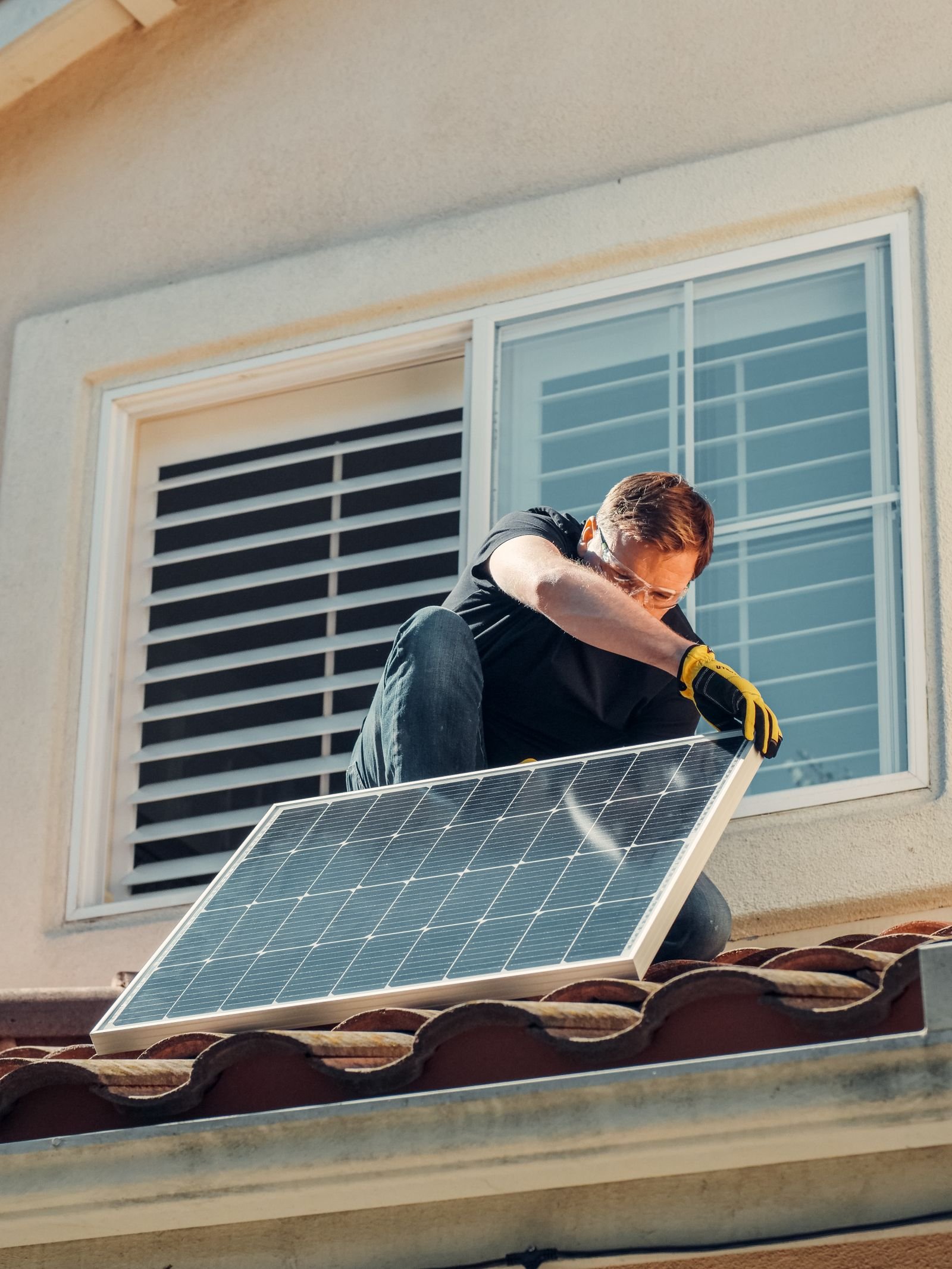
The safest DIY solar projects for beginners are small 12 V off-grid systems, usually under about 1,000 W, for RVs, sheds, cabins and backup power. A 200 W kit with a 12V 100Ah battery is a typical first build. Grid-tied home systems and any 120/240 V wiring need permits and, in most cases, a licensed electrician. This page links all our DIY solar guides in the order most people need them.

Quick answer
- Easy DIY: portable power stations, 12 V RV and shed kits, cleaning panels from the ground.
- Careful DIY: larger 12/24 V off-grid systems with an inverter.
- Permit and electrician: grid-tied systems, home battery backup, any 120/240 V wiring.
- First skill to learn: series vs parallel wiring and fusing.
- Money note: the 30% federal credit ended for systems placed in service after Dec 31, 2025.
What solar work can you do yourself?
| Project | DIY level | Permit usually needed? | Electrician? |
|---|---|---|---|
| Portable power station with folding panel | Beginner | No | No |
| 12 V RV, van or boat system | Beginner to intermediate | No | No |
| 12 V shed or cabin system, DC loads only | Beginner to intermediate | Sometimes | No |
| Off-grid system with 120 V outlets in a building | Intermediate to advanced | Often | Recommended |
| Grid-tied rooftop or ground-mount system | Advanced | Yes, plus utility approval | Yes, in most areas |
| Home battery backup tied to your main panel | Advanced | Yes | Yes |
The dividing line is simple. Low-voltage DC systems that stand alone are fair game for a careful DIYer. Anything that touches your home’s wiring or the utility grid is regulated, because a mistake can start a fire or shock a line worker.
Where should a DIY solar beginner start?
- Pick a project and list your loads. Add up watts × hours for each device. Example: 20 W of LED lights × 3 hours = 60 Wh a day.
- Learn the wiring basics. Read how to wire solar panels: series vs parallel.
- Choose matched parts. Compare solar panel kits before buying parts one by one.
- Size the inverter. Use what size solar inverter do I need if you’ll run 120 V devices.
- Build, then maintain. Follow a project guide, then learn how to clean solar panels safely.
DIY solar guides
| Guide | What you’ll learn |
|---|---|
| How to Wire Solar Panels: Series vs Parallel | Voltage and amp math, wiring layouts, cold-weather voltage, fuses |
| Solar Panel Kits: What’s Included & How to Choose | Kit types, sizing, what to look for, real kits compared |
| Solar Setup for a Shed: Parts List & Wiring Plan | Load list, part sizing, budget tiers, wiring plan |
| Best Portable Solar Panels for RVs | Sizing for RV loads, folding vs rigid panels |
| What Size Solar Inverter Do I Need? | Running vs surge watts, grid-tie vs off-grid vs hybrid |
| How to Clean Solar Panels Safely | How often, safe tools, warranty rules, DIY vs pro |
| How to Make a Solar Panel at Home | Materials, steps, and an honest build-vs-buy cost check |
Is DIY solar cheaper than hiring an installer?
For small off-grid projects, almost always. For a home system, it can be, but the savings are smaller than many people expect. Installed systems average about $2.60 per watt, so a 7 kW system runs about $18,340. A 4 kW DIY grid-tie kit lists from about $7,780, or about $1.95 per watt ($7,780 ÷ 4,000 W), before permits, an electrician, and your time. See our solar panel cost guide for the full picture.
Safety note: Solar panels make power whenever light hits them, and batteries can deliver very high current. Fuse every positive wire, use insulated tools, and stay off steep roofs. Hire a licensed electrician for any grid-tied system, any connection to your home’s electrical panel, and any 120/240 V wiring. Follow the National Electrical Code (NEC Articles 690 and 706) and get the permits your town requires.
Frequently asked questions
Is it legal to install your own solar panels?
Off-grid, low-voltage systems are generally legal. For grid-tied systems, many areas let homeowners pull their own permits, but you still need inspection and utility approval, and some require a licensed electrician.
What is the easiest DIY solar project?
A portable power station with a folding panel. It needs no wiring at all. A 100–200 W 12 V kit for a shed or RV is a good next step.
Can I get a tax credit for DIY solar?
Not for home systems placed in service in 2026. The federal 25D credit ended after Dec 31, 2025. Check solar rebates and tax credits for state and utility programs.
Sources
- U.S. Department of Energy: Homeowner’s Guide to Solar
- U.S. Department of Energy: Off-Grid or Stand-Alone Renewable Energy Systems
- NFPA 70: National Electrical Code
Last updated: October 2026. Permit rules and prices vary by location and change often. This article is for information only and is not electrical advice.


Leave a Reply


- Trending
- Latest
- Comments



Solar Energy Supply Stores provides current solar prices in Nigeria, expert product reviews, comparisons, and practical buying guides for solar panels, inverters, batteries, generators, and complete solar systems nationwide.
Comments 2