No products in the cart.


Solar Setup for a Shed: Parts List & Wiring Plan
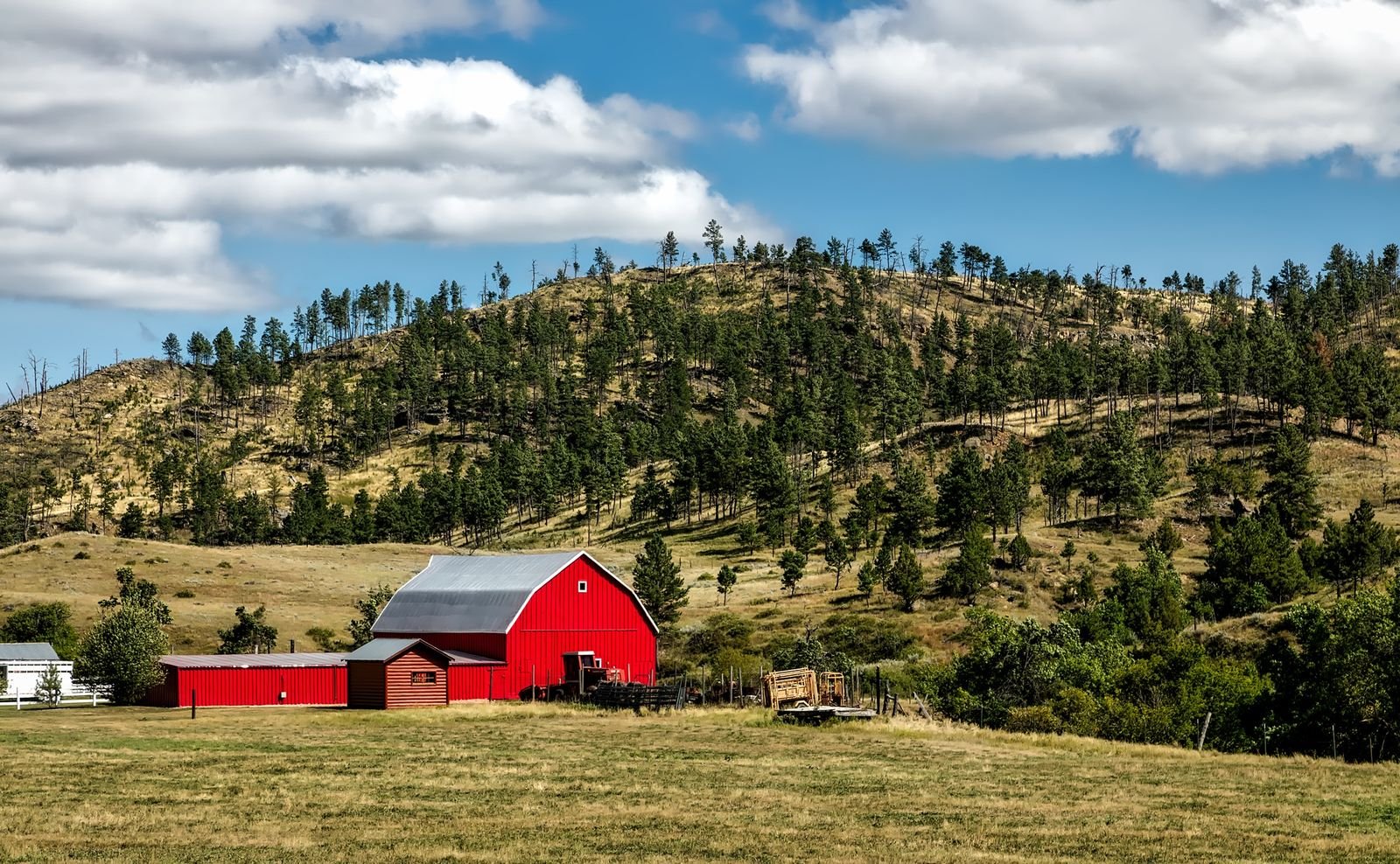
A basic solar setup for a shed with lights, a fan and phone charging needs about 100–200 W of panels, a 20 A charge controller and one 12V 100Ah LiFePO4 battery. Parts cost roughly $250–$500. A workshop that runs power tools needs about 400 W, 200Ah of battery and a 2,000 W inverter, for roughly $1,000–$2,000. Start with a load list, then size each part from it.

Quick answer
- Panels: 100–200 W for lights and charging; 400 W or more for tools.
- Charge controller: MPPT, sized at panel watts ÷ battery volts × 1.25.
- Battery: 12V LiFePO4, 100Ah (1.28 kWh) for light use, 200Ah or more for tools.
- Inverter: pure sine wave, sized to your biggest tool’s surge; skip it if everything is 12 V DC.
- Safety: fuse every positive wire and keep the system separate from house wiring.
How much power does a shed need?
List everything you’ll run, its watts, and its hours per day. Multiply to get watt-hours (Wh). Here are two common examples.
| Load | Watts | Hours/day | Wh/day |
|---|---|---|---|
| LED lights (3 fixtures) | 20 W | 3 | 60 Wh |
| Phone and tool battery charging | 50 W | 2 | 100 Wh |
| Box fan | 40 W | 4 | 160 Wh |
| Basic shed total | 320 Wh | ||
| Circular saw (add for workshop) | 1,400 W | 0.25 | 350 Wh |
| Workshop total | 670 Wh |
Watch for hidden heavy loads. A space heater (1,500 W) or a small window AC is a poor fit for a small shed system. Heating 3 hours a day would use 4,500 Wh, more than ten times the basic shed total.
How many solar panels do I need for a shed?
Divide your daily Wh by peak sun hours, then allow about 25% for losses from heat, wiring and charging. Most of the US gets 4–6 peak sun hours. We’ll use 4.5.
- Usable sun per watt of panel: 4.5 hours × 0.75 = 3.4 Wh per W
- Basic shed: 320 Wh ÷ 3.4 = 94 W, so one 100 W panel (or 200 W for cloudy days)
- Workshop: 670 Wh ÷ 3.4 = 197 W, so 200 W minimum, 400 W to recharge after heavy use
Plan for winter if you use the shed year-round, since sun hours can fall to 2–3. Our solar power calculator can help with local sun hours.
What size battery do I need for a shed?
Size the battery for about 2 days of use so a cloudy day doesn’t leave you dark. LiFePO4 batteries can use about 90% of their capacity.
- Basic shed: 320 Wh × 2 days ÷ 0.9 = 711 Wh needed
- A 12V 100Ah LiFePO4 holds 12.8 V × 100 Ah = 1,280 Wh, so one battery is plenty
- Workshop: 670 Wh × 2 ÷ 0.9 = 1,489 Wh, so two 100Ah batteries (2,560 Wh)
Lead-acid batteries cost less upfront but should only be drained about 50%, so you’d need about twice the capacity. See LiFePO4 vs lead acid and current 12V 100Ah LiFePO4 battery prices.
Cold sheds: most LiFePO4 batteries must not be charged below 32°F. In cold climates, buy a battery with built-in heating or keep it in an insulated box.
What charge controller and inverter do I need?
Charge controller. MPPT controllers harvest more power than PWM, especially in cold weather and with series wiring. Size by current:
- 200 W ÷ 12 V = 16.7 A × 1.25 = 21 A, so a 20–30 A controller
- 400 W ÷ 12 V = 33 A × 1.25 = 42 A, so a 40–50 A controller
Inverter. You only need one for 120 V AC devices. Choose pure sine wave for tools and electronics. Size it above your biggest load, with room for motor startup surge. A 1,400 W circular saw calls for a 2,000 W inverter. Lights and chargers alone need only 300–600 W. For more detail, see what size solar inverter you need.
How much does a shed solar setup cost?
| Part | Basic (lights, charging) | Workshop (some tools) | Heavy use (tools daily) |
|---|---|---|---|
| Panels | 100–200 W | 400 W | 600–800 W |
| Charge controller | 20–30 A MPPT | 40–50 A MPPT | 40–60 A MPPT, 24 V system |
| Battery | 12V 100Ah LiFePO4 | 2 × 12V 100Ah LiFePO4 | 24V 200Ah LiFePO4 or 4 × 12V 100Ah |
| Inverter | None, or 300–600 W | 2,000 W pure sine | 3,000 W pure sine or inverter-charger |
| Wire, fuses, breakers, mounts | $60–$120 | $150–$300 | $250–$500 |
| Total parts | About $250–$500 | About $1,000–$2,000 | About $2,000–$3,500 |
A pre-matched solar panel kit often costs less than buying each part, and the parts are known to work together. A portable power station with a folding panel is another simple option for light use.
How do you wire a solar system in a shed?
Here is the wiring plan, in order of power flow. Each arrow is a wire run.
| Run | From | Protection | To |
|---|---|---|---|
| 1 | Solar panels (series or parallel) | DC breaker or PV disconnect | Charge controller PV input |
| 2 | Charge controller battery output | Fuse or breaker sized to controller amps | Battery (+) via bus bar |
| 3 | Battery (+) | Class T or ANL fuse near the battery | Inverter DC input |
| 4 | Battery (+) | DC fuse block | 12 V lights, fans, USB outlets |
| 5 | All negatives | None (shunt for a battery monitor, optional) | Negative bus bar to battery (-) |
- Mount panels facing south with a tilt near your latitude, on the roof or a ground rack.
- Mount the controller, battery and inverter indoors, close together, with short thick cables.
- Connect the battery to the controller first (run 2), then the panels (run 1).
- Add the inverter (run 3) and DC loads (run 4). Inverter cables carry high current: 2,000 W at 12 V is about 167 A, so follow the inverter manual for cable size.
- Ground the panel frames and racking as your manuals and the NEC require.
To choose between series and parallel panel wiring, read how to wire solar panels.
Safety note: Batteries can deliver huge short-circuit current, so fuse every positive wire and use insulated tools. A 12 V system is a fair DIY project. But if you add 120/240 V outlets or wiring inside the shed, connect anything to your home’s electrical panel, or run a feed from the house, hire a licensed electrician. Never back-feed house wiring. Check the NEC (Articles 690 and 706) and your local permit rules, since many areas require a permit for fixed wiring in an outbuilding. More projects are in our DIY solar hub.
Frequently asked questions
Can a 100 W solar panel power a shed?
Yes, for light loads. A 100 W panel makes about 340 Wh on a typical day (100 W × 4.5 hours × 0.75), enough for LED lights, a fan and phone charging.
Can I run power tools on shed solar?
Yes, with a large enough inverter and battery. Plan for about 2,000 W of inverter and at least 200Ah of 12 V LiFePO4 for saws and drills.
Do I need a permit for solar on my shed?
It depends on your town. Small, portable 12 V setups often need none. Fixed wiring, 120 V outlets or a connection to your home usually do. Call your local building department.
Is it cheaper to run power from the house?
For a shed close to the house, often yes, but trenching and an electrician can cost more than a small solar kit. For a far-away shed with light loads, solar is usually cheaper.
Sources
- U.S. Department of Energy: Off-Grid or Stand-Alone Renewable Energy Systems
- NREL PVWatts Calculator (local sun and output estimates)
- NFPA 70: National Electrical Code
Last updated: October 2026. Part prices are estimates and change often. This article is for information only and is not electrical advice.



Leave a Reply


- Trending
- Latest
- Comments






Solar Energy Supply Stores provides current solar prices in Nigeria, expert product reviews, comparisons, and practical buying guides for solar panels, inverters, batteries, generators, and complete solar systems nationwide.
Comments 1