No products in the cart.


LiFePO4 vs Lead Acid Battery: Cost per Cycle Compared
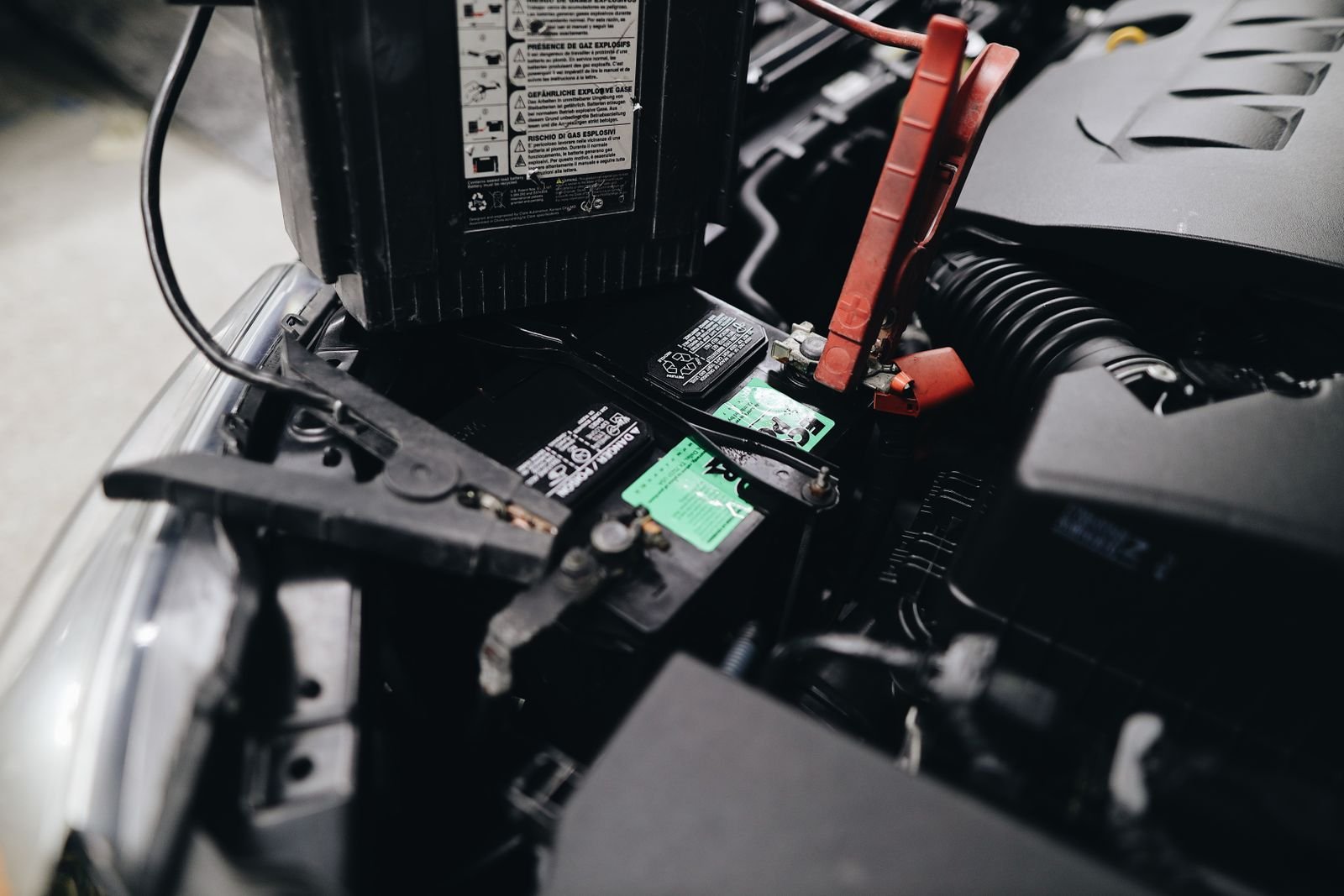
LiFePO4 wins on lifetime cost. A 12V 100Ah LiFePO4 battery delivers energy for about $0.06–$0.25 per kWh over its life, while an AGM lead acid battery costs about $0.83 per kWh and flooded lead acid about $0.31. Lead acid is only cheaper up front.

The LiFePO4 vs lead acid battery choice comes down to how often you cycle the battery. For daily solar use, lithium iron phosphate is the clear pick. For a backup battery that sits on a charger most of the year, lead acid can still make sense. Below are the numbers.
Quick answer
- Cycle life: LiFePO4 is rated 3,000–6,000 cycles; AGM about 300–700 at 50% depth of discharge.
- Usable capacity: 80%–100% for LiFePO4 vs about 50% for lead acid.
- Weight (12V 100Ah): about 22–31 lb for LiFePO4 vs about 60–70 lb for AGM.
- Cost per kWh delivered: about $0.06–$0.25 for LiFePO4 vs $0.31–$0.83 for lead acid.
- Lead acid still fits: rarely used backup, charging below 32°F without a heater, or the tightest budgets.
What is the difference between LiFePO4 and lead acid batteries?
| Spec (12V 100Ah) | LiFePO4 | AGM lead acid | Flooded lead acid |
|---|---|---|---|
| Typical price | about $180–$950 | about $180–$300 | about $100–$200 |
| Stored energy | 1.28 kWh (12.8 V) | 1.2 kWh (12 V) | 1.2 kWh (12 V) |
| Recommended depth of discharge | 80%–100% | about 50% | about 50% |
| Rated cycle life | 3,000–6,000 | about 300–700 | about 500–1,000 |
| Round-trip efficiency | about 95% | about 80%–85% | about 80%–85% |
| Weight | about 22–31 lb | about 60–70 lb | about 50–65 lb |
| Maintenance | None | None | Add distilled water; vent gases |
| Charging below 32°F | Not without a heater | Yes | Yes |
The biggest gap is usable energy per cycle. You can drain a LiFePO4 battery to 80%–100% routinely. Draining lead acid past about 50% sharply shortens its life. So a 100Ah lithium battery does the work of about two 100Ah lead acid batteries.
Which battery is cheaper per cycle?
Here is the math, step by step, using the usable energy each battery delivers per cycle:
- Budget LiFePO4 ($250): 1.28 kWh × 80% = 1.02 kWh per cycle. 1.02 × 4,000 cycles = 4,096 kWh lifetime. $250 ÷ 4,096 = $0.061 per kWh.
- Premium LiFePO4 ($900): 1.02 kWh × 3,500 cycles = 3,584 kWh. $900 ÷ 3,584 = $0.25 per kWh.
- AGM ($250): 1.2 kWh × 50% = 0.6 kWh per cycle. 0.6 × 500 cycles = 300 kWh. $250 ÷ 300 = $0.83 per kWh.
- Flooded ($150): 0.6 kWh × 800 cycles = 480 kWh. $150 ÷ 480 = $0.31 per kWh.
| Battery | Price | Usable kWh per cycle | Cycles | Lifetime kWh | Cost per kWh-cycle |
|---|---|---|---|---|---|
| Budget LiFePO4 | $250 | 1.02 | 4,000 | 4,096 | $0.061 |
| Premium LiFePO4 | $900 | 1.02 | 3,500 | 3,584 | $0.25 |
| Flooded lead acid | $150 | 0.60 | 800 | 480 | $0.31 |
| AGM lead acid | $250 | 0.60 | 500 | 300 | $0.83 |
Even a premium lithium battery beats AGM per kWh. See our 12V 100Ah LiFePO4 battery price guide for what each price tier buys.
What does each battery cost over 10 years?
Take a small cabin or shed that uses 0.6 kWh from the battery every day:
- AGM: 500 cycles ÷ 365 days = replaced about every 1.4 years. Over 10 years that is about 7 batteries × $250 = $1,750.
- Flooded: 800 cycles ÷ 365 = about every 2.2 years. About 5 batteries × $150 = $750, plus regular watering.
- LiFePO4: 0.6 kWh ÷ 1.28 kWh = under 50% depth of discharge each day. 10 years × 365 = 3,650 cycles, within a 4,000-cycle rating, so one battery should last. Cost: $250–$900.
That doesn’t count the labor of swapping heavy batteries or the extra solar needed to make up for lead acid’s lower efficiency. Our shed solar setup guide and off-grid house sizing guide walk through full systems.
How long will each battery run a fridge?
Say a fridge averages 50 W. Usable energy, after about 10% inverter loss:
- LiFePO4: 1.28 kWh × 90% × 90% = about 1,040 Wh. 1,040 ÷ 50 W = about 21 hours.
- Lead acid: 1.2 kWh × 50% × 90% = 540 Wh. 540 ÷ 50 W = about 11 hours.
For a deeper look by fridge type, see how long a 100Ah battery runs a fridge.
When does lead acid still make sense?
- Rarely used backup. A sump pump backup or emergency light that sits on a float charger cycles only a few times a year. Cycle life barely matters there.
- Cold places with no heat. Lead acid can be charged below 32°F. LiFePO4 needs a heated model or a warm spot.
- Engine starting. Many vehicles and charging systems are built for lead acid starting batteries.
- Old chargers. If your charger or controller has no lithium setting, the swap may need new gear too.
- Very tight budgets. A flooded battery may be all you can spend today, even if it costs more over time.
Is LiFePO4 safer than lead acid?
Both are safe when installed correctly, but the risks differ. LiFePO4 is the most heat-stable common lithium chemistry and has a built-in BMS. Flooded lead acid gives off hydrogen while charging, so it needs ventilation, and it contains sulfuric acid. Either way, fuse the positive cable close to the battery and use a charger set for that chemistry. For any battery tied into 120/240V home wiring or the grid, hire a licensed electrician and get permits under the National Electrical Code and local rules. Our solar batteries guide covers home-scale options.
Frequently asked questions
Can I replace a lead acid battery with LiFePO4?
Usually, yes. Most 12V LiFePO4 batteries are drop-in sizes. Check that your charger, solar controller and any alternator charging support a lithium profile.
Can I mix lithium and lead acid batteries?
Not in the same bank. They charge at different voltages, so one will be over- or under-charged.
How long does each type last in years?
With daily use, AGM often lasts 1–3 years and LiFePO4 about 8–15 years. With light use, lead acid is often limited by age to about 4–7 years.
Is AGM better than flooded lead acid?
AGM needs no watering and can be mounted in more positions. Flooded batteries often last more cycles for less money, if you maintain them.
Sources
- Battery University: battery chemistry articles
- PES Supply: 12V LiFePO4 batteries compared (2026)
- Battle Born Batteries: LiFePO4 specifications
Last updated: October 2026. Prices and cycle ratings are typical ranges and vary by model. This article is for information only and is not electrical advice.



Leave a Reply


- Trending
- Latest
- Comments
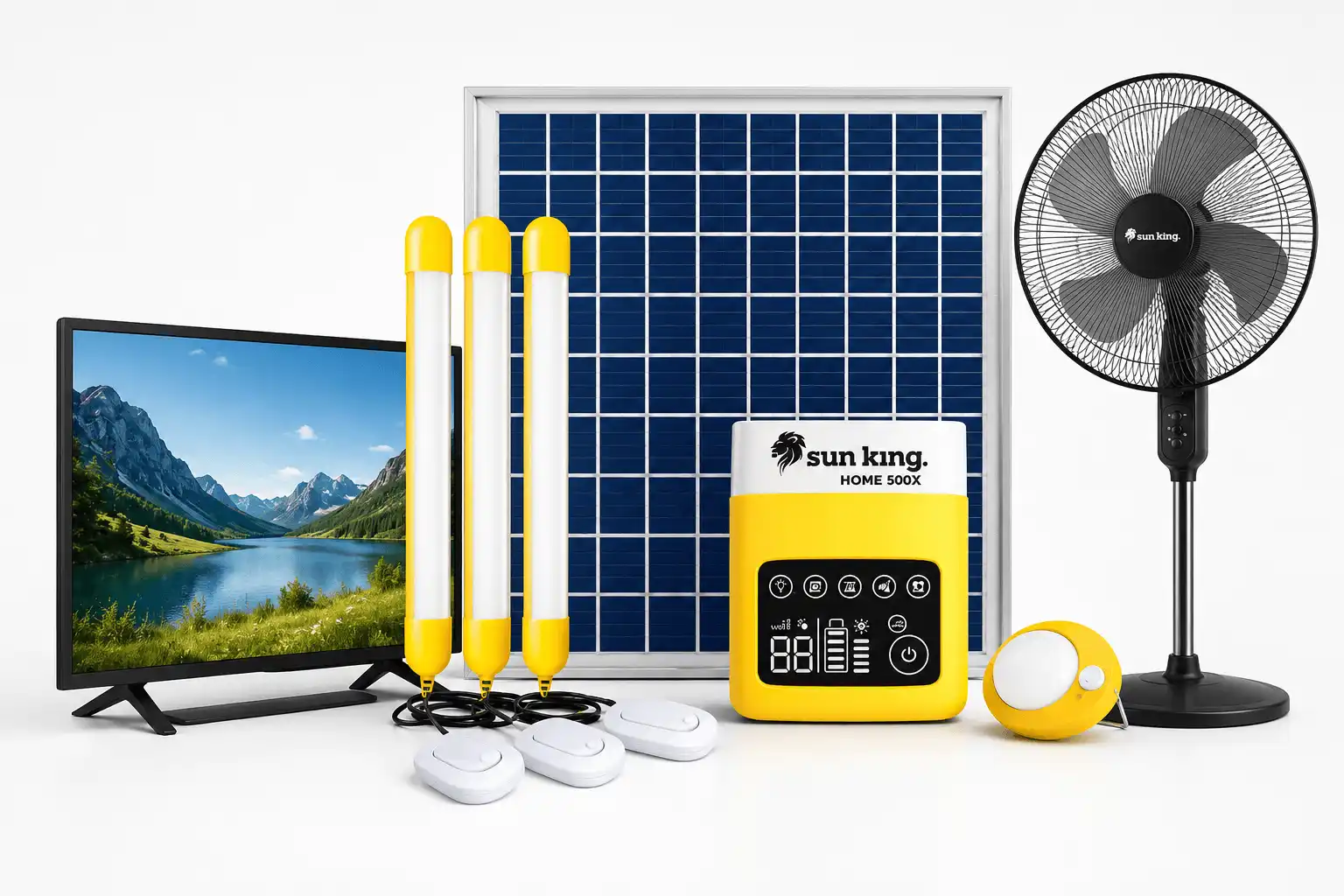











Solar Energy Supply Stores provides current solar prices in Nigeria, expert product reviews, comparisons, and practical buying guides for solar panels, inverters, batteries, generators, and complete solar systems nationwide.
Comments 3