No products in the cart.


How Long Will a 100Ah Battery Run a Fridge?
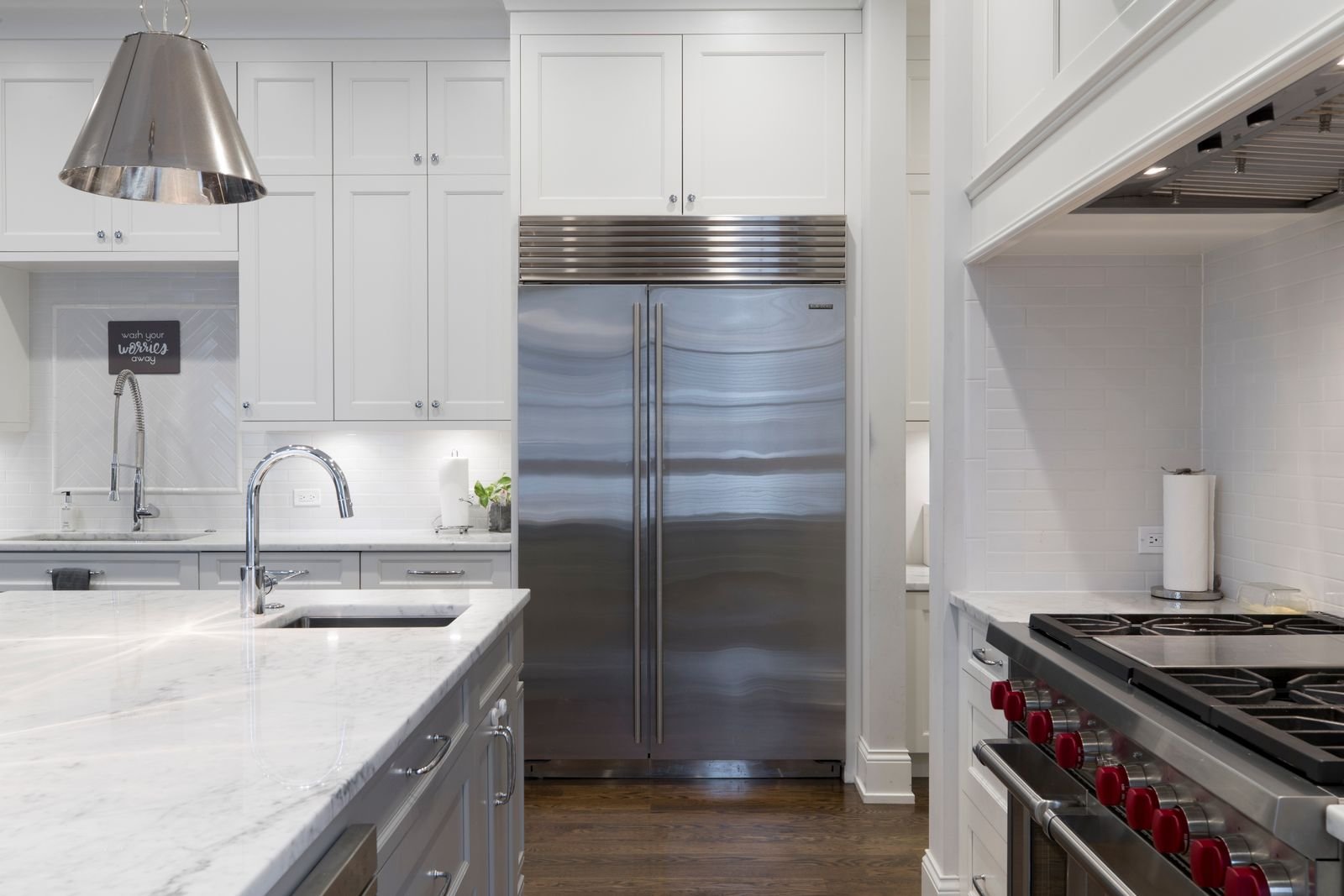
A 12V 100Ah lithium (LiFePO4) battery will run a modern Energy Star full-size fridge for about 21 hours through an inverter. A 12V 100Ah lead-acid battery will run the same fridge for only about 12 hours. Smaller fridges and 12V compressor coolers last much longer. Below is the math, so you can plug in your own fridge.

Quick answer
- Battery energy: 12 V × 100 Ah = 1,200 Wh, or 1.2 kWh.
- Usable energy: about 1.08 kWh for LiFePO4 (90%) and 0.6 kWh for lead acid (50%).
- Full-size Energy Star fridge (about 1.1 kWh/day): about 21 hours on LiFePO4, 12 hours on lead acid.
- 12V compressor cooler (about 0.4 kWh/day): about 2.5 days on LiFePO4.
- Formula: usable kWh ÷ fridge kWh per day × 24 = hours.
How much energy is in a 12V 100Ah battery?
Amp-hours alone don’t tell you how much energy a battery holds. You need to multiply by voltage:
12 V × 100 Ah = 1,200 Wh = 1.2 kWh
LiFePO4 batteries are often rated at 12.8 V, which gives 1,280 Wh. We use 12 V here to keep the math simple and a little conservative.
How much of a 100Ah battery can you actually use?
Not all of that 1.2 kWh is safe to use. It depends on the battery chemistry.
| Battery type | Typical safe depth of discharge | Usable energy (12V 100Ah) |
|---|---|---|
| LiFePO4 (lithium iron phosphate) | 80–100% (we use 90%) | about 1.08 kWh |
| AGM lead acid | 50% | about 0.6 kWh |
| Flooded lead acid | 50% | about 0.6 kWh |
Draining lead acid below about 50% shortens its life a lot. That is the main reason a 100Ah lithium battery runs a fridge almost twice as long as a 100Ah lead-acid one. Our LiFePO4 vs lead acid comparison covers cost per cycle, weight and lifespan.
How many watts does a fridge use?
A fridge’s compressor doesn’t run all the time. It cycles on and off. A full-size fridge might draw 100–200 W while the compressor runs, but only run about a third to half of the time. That on-off pattern is called the duty cycle.
Because of this, the best number to use is kWh per day, not running watts. Here is how to find it:
- Check the yellow EnergyGuide label. It lists estimated kWh per year. Divide by 365. A fridge rated at 400 kWh a year uses 400 ÷ 365 = 1.1 kWh a day.
- Use a plug-in watt meter for 24–48 hours. This captures your real use, door openings and room temperature included.
- Estimate from watts: 150 W running × 24 hours × 0.35 duty cycle = 1,260 Wh, or about 1.3 kWh a day.
Fridges use more power in a hot garage, in summer, and right after you load them with warm groceries.
How long will a 100Ah battery run a fridge? A worked example
Let’s run a modern Energy Star full-size fridge (about 1.1 kWh a day) from a 12V 100Ah LiFePO4 battery and a 120 V inverter.
- Total energy: 12 V × 100 Ah = 1.2 kWh.
- Usable energy: 1.2 kWh × 0.9 = 1.08 kWh.
- Inverter losses: a good inverter is about 90% efficient. 1.08 kWh × 0.9 = 0.97 kWh delivered to the fridge.
- Run time: 0.97 kWh ÷ 1.1 kWh per day = 0.88 days. 0.88 × 24 = about 21 hours.
With a 100Ah lead-acid battery, step 2 changes: 1.2 kWh × 0.5 = 0.6 kWh. After inverter losses, 0.6 × 0.9 = 0.54 kWh. Then 0.54 ÷ 1.1 × 24 = about 12 hours.
Watch the inverter’s idle draw. Many inverters use 10–30 W just by being on. At 20 W, that is 20 W × 24 hours = 480 Wh a day, almost half a 100Ah lead-acid battery’s usable energy. A small, efficient inverter matters more than most people expect.
How long will a 100Ah battery run different types of fridges?
| Fridge type | Typical use per day | 12V 100Ah LiFePO4 | 12V 100Ah lead acid |
|---|---|---|---|
| 12V compressor cooler/fridge (no inverter) | about 0.4 kWh | about 65 hours | about 36 hours |
| Mini fridge (120 V) | about 0.6 kWh | about 39 hours | about 22 hours |
| Chest freezer (120 V) | about 0.7 kWh | about 33 hours | about 18 hours |
| Energy Star full-size fridge | about 1.1 kWh | about 21 hours | about 12 hours |
| Older full-size fridge (10+ years) | about 1.8 kWh | about 13 hours | about 7 hours |
| Side-by-side with ice maker | about 2.0 kWh | about 12 hours | about 6 hours |
The 12V cooler row skips the inverter, so it gets the full usable energy: 1.08 kWh ÷ 0.4 kWh × 24 = about 65 hours. That is why RVers and campers favor 12V compressor fridges.
What size inverter do I need to run a fridge?
A fridge compressor pulls a short surge when it starts, often several times its running watts. Use a pure sine wave inverter. Many people pick at least 1,000 W for a full-size fridge so it can handle the startup kick. Check the inverter’s surge rating, not just its continuous rating.
Also check the battery’s continuous discharge rating. Most 12V 100Ah LiFePO4 batteries allow about 100 A, which is roughly 1,200 W. Our guide on what size solar inverter you need explains surge vs running watts.
Can solar keep a fridge running all the time?
Yes, with enough panels. To refill 1.1 kWh a day plus losses, plan on about 1.3 kWh of solar output. At 5 peak sun hours with about 75% system efficiency, one 200 W panel makes 200 W × 5 × 0.75 = 750 Wh. Two 200 W panels (or one 400 W panel) cover a full-size fridge on a sunny day. In winter or cloudy weather, add more panels or battery.
For a small build like this, see our solar setup for a shed parts list. If you are shopping for a battery, our 12V 100Ah LiFePO4 battery price guide covers what to pay. For bigger home backup, start with our solar batteries guide.
Safety note: Use correctly sized cables and a fuse close to the battery. Never connect an inverter to your home’s wiring or plug it into a wall outlet. Feeding a home circuit needs a transfer switch or interlock installed by a licensed electrician to the National Electrical Code (NEC), with local permits.
Frequently asked questions
Can a 100Ah battery run a fridge overnight?
Yes. A 12V 100Ah LiFePO4 battery can run a modern full-size fridge for about 21 hours, so a 10–12 hour night is easy. A lead-acid battery of the same size is tighter, at about 12 hours.
How long will a 200Ah battery run a fridge?
About twice as long. A 12V 200Ah LiFePO4 battery runs a 1.1 kWh-per-day fridge for about 42 hours through an inverter.
How long does food stay safe without power?
A closed fridge keeps food safe for up to about 4 hours during an outage, according to FoodSafety.gov. A battery lets you stretch that much further.
Is a 100Ah battery enough for an RV fridge?
For a 12V compressor fridge, yes, with about 2–3 days of run time on LiFePO4. Pair it with a few portable panels to keep it topped up. See our portable solar panels for RVs guide.
Sources
- ENERGY STAR: Refrigerators
- FoodSafety.gov: Food Safety During a Power Outage
- U.S. Department of Energy: Off-Grid or Stand-Alone Renewable Energy Systems
Last updated: October 2026. Run times are estimates; your fridge, inverter and room temperature will change them. This article is for information only and is not electrical advice.


Leave a Reply


- Trending
- Latest
- Comments












Solar Energy Supply Stores provides current solar prices in Nigeria, expert product reviews, comparisons, and practical buying guides for solar panels, inverters, batteries, generators, and complete solar systems nationwide.
Comments 2