No products in the cart.


How to Make a Solar Panel at Home (and Is It Worth It?)
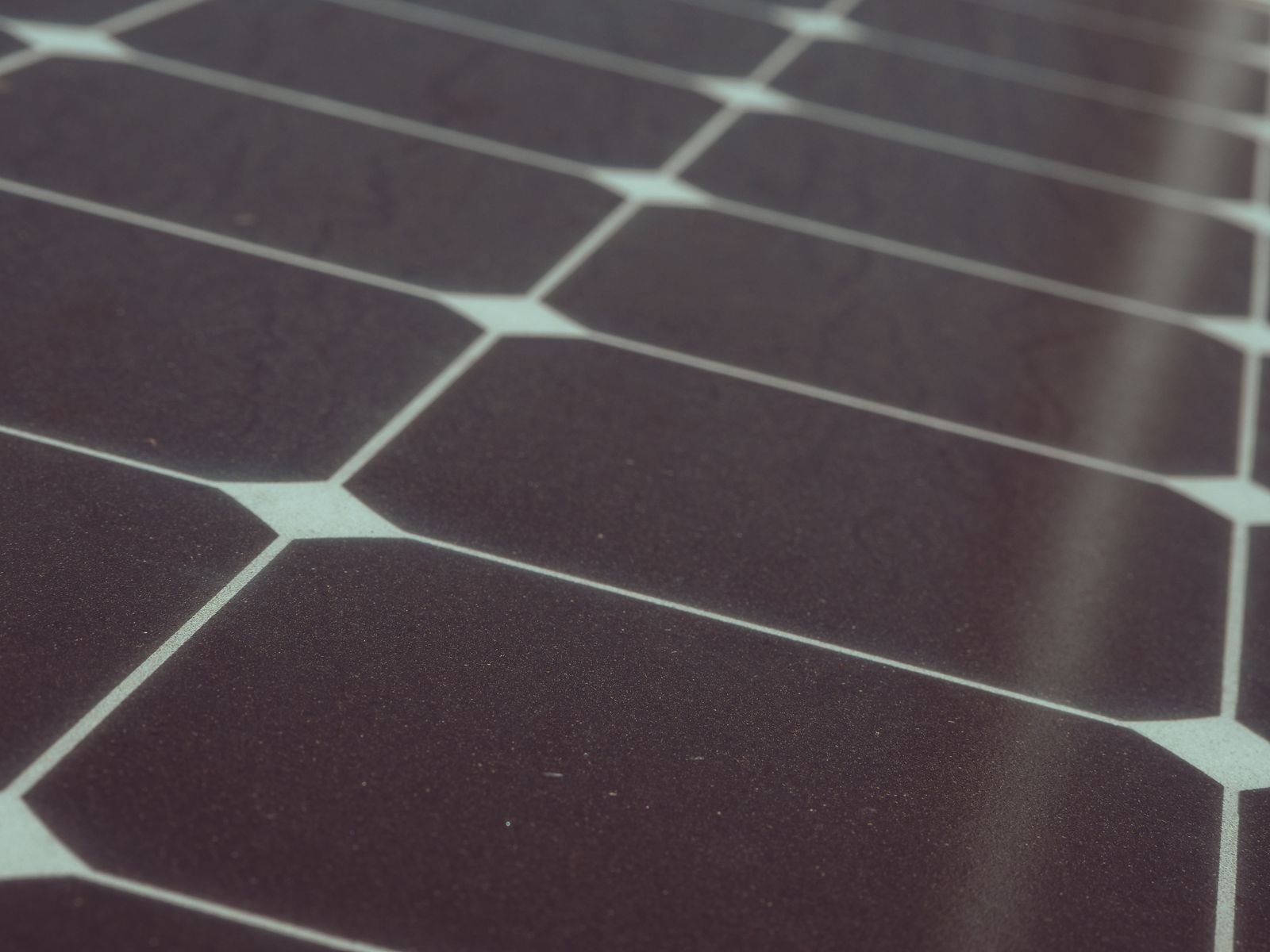
You can make a 100 W solar panel at home from 36 solar cells for about $115–$235 in materials and 6–10 hours of work. But a ready-made 100 W panel costs about $70–$120 and carries a 25-year power warranty. Building one is a great learning project. It is rarely a way to save money.

Quick answer
- What you build: 36 cells soldered in series, sealed behind glass or clear plastic, in a frame.
- Output: about 18 V and 100 W, enough to charge a 12 V battery.
- Cost: about $115–$235 in materials, plus tools if you don’t own a soldering iron.
- Catch: homemade panels often fail within a few years from moisture and cracked cells.
- House use: not allowed for permitted or grid-tied systems, which need listed panels.
How does a homemade solar panel work?
A solar panel is a group of silicon cells wired in series. Each cell makes about 0.5–0.6 V in sun, no matter its size. Bigger cells make more current, not more voltage.
To charge a 12 V battery, you need about 18 V, so most DIY builds use 36 cells:
- Voltage: 36 cells × 0.5 V = 18 V
- Current: about 5.5 A from a common full-size cell in full sun
- Power: 18 V × 5.5 A = 99 W, so about 100 W
Real output will be lower if any cell is cracked, shaded, or poorly soldered. One bad cell limits the whole string.
What materials do you need to make a solar panel?
| Item | Amount | Typical cost |
|---|---|---|
| Monocrystalline solar cells (buy a few spares) | 36–40 | $35–$70 |
| Tabbing wire and bus wire | 1 roll each | $8–$15 |
| Flux pen | 1–2 | $5–$10 |
| Backing board (plywood or composite) | About 2 ft × 4 ft | $10–$25 |
| Tempered glass or UV-rated polycarbonate cover | About 2 ft × 4 ft | $20–$50 |
| Frame (aluminum angle or treated wood) | About 12 ft | $15–$30 |
| Junction box with bypass diode and MC4 leads | 1 | $10–$15 |
| Outdoor silicone sealant | 2 tubes | $10–$20 |
| Total materials | About $115–$235 | |
| Tools (if needed): soldering iron, multimeter | 1 each | $40–$80 |
Cell quality varies a lot. Cheap “B-grade” cells may have chips or uneven output. Buy from a seller who lists the cell size, rated watts, and current, and expect a few to break while you work. They are thinner than a credit card.
How do you make a solar panel step by step?
- Test every cell. In sun, check each cell with a multimeter. Set aside any that read low or look cracked.
- Plan the layout. Arrange 36 cells in 4 rows of 9, or 6 rows of 6, with about 1/4 inch between cells.
- Tab the cells. Cut tabbing wire to about twice the cell length. Apply flux to the front bus lines and solder a tab along each one.
- Solder cells in series. Solder the front tabs of one cell to the back pads of the next. Front is negative and back is positive on most cells.
- Join the rows. Use bus wire to connect the end of each row to the start of the next, keeping the chain in series.
- Test the string. In sun, the open-circuit voltage should read about 20–22 V for 36 cells.
- Mount the cells. Fix them to the backing board with a small dab of silicone under each cell. Don’t stress the solder joints.
- Add the junction box. Bring the two bus leads out the back, into a junction box with a bypass diode, then out on MC4 leads.
- Cover and seal. Fit the glass or polycarbonate in the frame. Seal every edge so no water can get in. Moisture is the top reason homemade panels fail.
- Final test. Measure voltage and short-circuit current in full sun and label the panel with the results.
Factory panels are laminated under heat and vacuum in a clear plastic called EVA, which locks out moisture. Home builders can’t easily copy that step, so a DIY panel needs regular checks for fogging, corrosion and loose joints.
How much does a homemade solar panel cost vs buying one?
Compare cost per watt. Take the middle of each range.
- Homemade: $170 ÷ 100 W = $1.70 per watt
- Store-bought rigid panel: $95 ÷ 100 W = $0.95 per watt
- Over 25 years, a homemade panel may need rebuilding 2–4 times. A factory panel usually keeps about 80%+ of its output for that whole time, under warranty.
| Factor | Homemade 100 W panel | Store-bought 100 W panel |
|---|---|---|
| Upfront cost | About $115–$235, plus tools | About $70–$120 |
| Cost per watt | About $1.15–$2.35 | About $0.70–$1.20 |
| Time | 6–10 hours | None |
| Expected life | A few years to 10 years, depending on sealing | 25+ years |
| Warranty | None | Often 25 years on output, 5–10 on product |
| UL listed for permitted use | No | Yes, on reputable models |
Mass production has pushed panel prices so low that a hobbyist can’t compete on cost. For context, most of a home system’s price is now labor, permits and other equipment, not panels. Our solar panel cost guide shows the full breakdown, at about $2.60 per watt installed.
Is it worth making your own solar panels?
It is worth it if your goal is learning. You will understand cells, series wiring and voltage far better after one build. It also works for odd sizes, like a small panel shaped to fit a cart, a toy or a science fair project.
It is not worth it if your goal is cheap power. A store-bought panel is cheaper per watt, lasts longer and is safer. If you want hands-on work, a better plan is to buy panels and build the rest of the system yourself. Start with a solar panel kit, then learn how to wire solar panels in series and parallel.
Can you use a homemade solar panel on your house?
Not on a permitted or grid-tied system. The National Electrical Code requires PV equipment to be listed, and panels are tested to the UL 61730 safety standard. Inspectors and utilities will not approve a homemade panel. Your home insurer may also deny a claim tied to unlisted equipment.
Homemade panels fit small off-grid 12 V uses: a shed light, a phone charger, or a trickle charger for a boat battery. For a real small system, see our solar setup for a shed and the battery options in our 12V 100Ah LiFePO4 battery price guide.
Safety note: A 36-cell panel puts out about 20 V and can arc, and cells are live in any light. Solder in a ventilated space and wear eye protection. Keep homemade panels to low-voltage, off-grid uses. Any grid-tied system or 120/240 V wiring should be done by a licensed electrician, following the NEC and your local permit rules. More beginner projects are in our DIY solar hub.
Frequently asked questions
How many solar cells do I need for a 12 V panel?
Use 36 cells in series. That gives about 18 V working voltage, which is enough to charge a 12 V battery through a charge controller.
Can I make a solar panel without soldering?
Some kits use pre-tabbed cells, which cuts the work, but you still solder the rows together. Solderless builds tend to have loose, high-resistance joints.
How long does a homemade solar panel last?
It depends on the sealing. Well-built panels can last several years. Poorly sealed ones may corrode or fog within one or two.
Is it cheaper to build or buy solar panels?
Buying is cheaper. A 100 W panel costs about $0.70–$1.20 per watt, while a homemade one is about $1.15–$2.35 per watt before tools.
Sources
- U.S. Department of Energy: Solar Photovoltaic Technology Basics
- NFPA 70: National Electrical Code
- Renogy: 100–400 W solar kits (retail price reference)
Last updated: October 2026. Material costs are our estimates and change often. This article is for information only and is not electrical advice.



Leave a Reply


- Trending
- Latest
- Comments




Solar Energy Supply Stores provides current solar prices in Nigeria, expert product reviews, comparisons, and practical buying guides for solar panels, inverters, batteries, generators, and complete solar systems nationwide.
Comments 1