No products in the cart.


Solar Panel Manufacturers in the USA (2026 List)
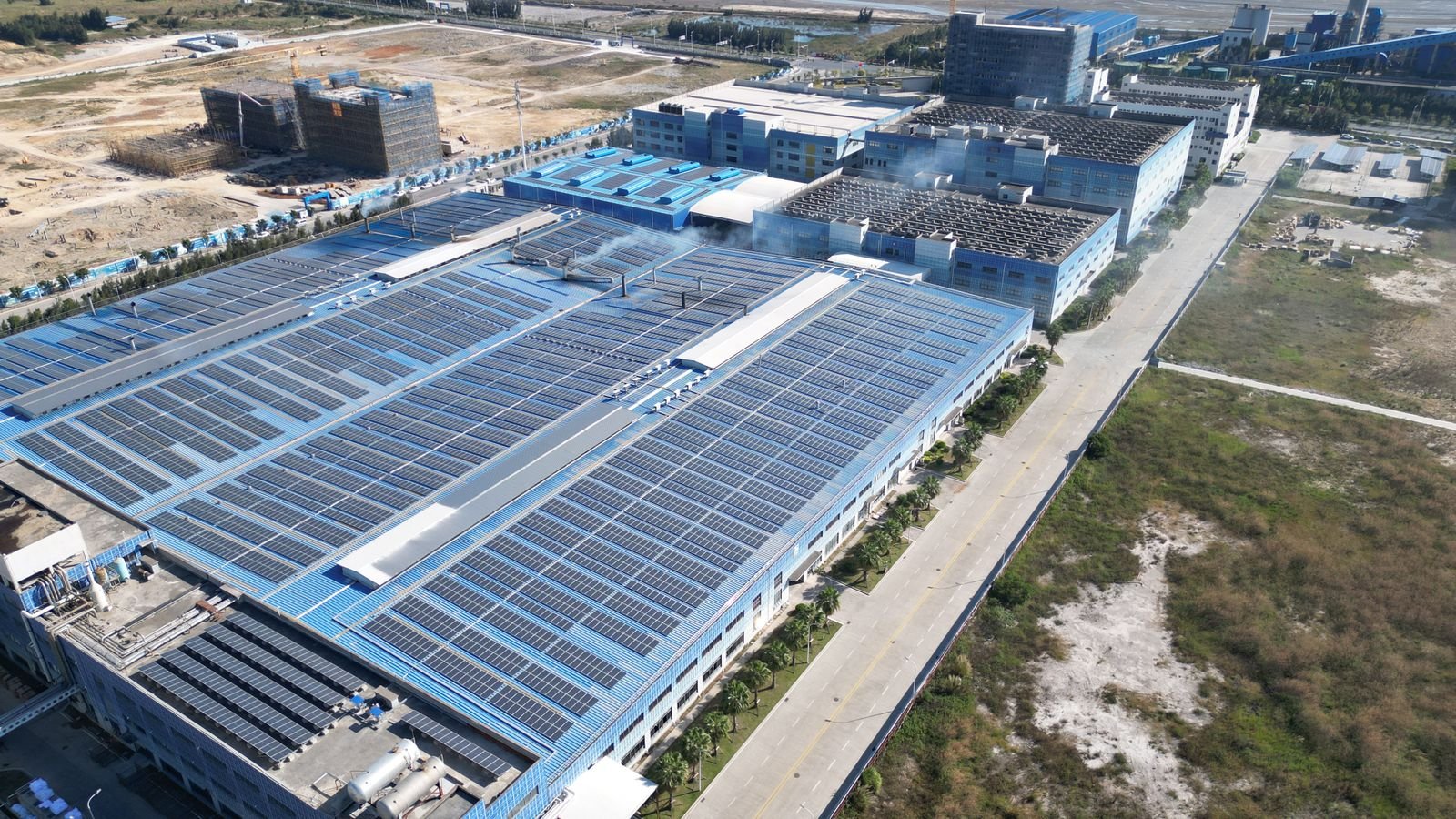
The US had about 75 GW of solar panel (module) factory capacity in 2026, but only a handful of companies make the solar cells inside those panels here: Qcells, ES Foundry, Suniva, Silfab and Canadian Solar, plus First Solar, which makes its thin-film panels from start to finish in the US. Most other “American-made” panels are assembled in the US from imported cells. Below is a list of companies with verified US factories, where they are, and what they actually make.

Quick answer
- US panel capacity: about 75.3 GW of operating module capacity (SEIA, October 2026).
- US-made silicon cells: Qcells (GA), ES Foundry (SC), Suniva (GA), Silfab (SC, ramping) and Canadian Solar (IN, ramping).
- Fully US-made thin film: First Solar, with plants in Ohio, Alabama and Louisiana.
- Assembly only: Heliene, Mission Solar, SEG Solar, Illuminate USA, Tesla and others assemble panels from cells made elsewhere.
- Changes fast: factories open, ramp, pause and close often. Check a panel’s datasheet for its country of origin.
What does “made in the USA” mean for solar panels?
A silicon solar panel is built in steps. Polysilicon is melted into ingots. Ingots are sliced into wafers. Wafers become cells. Then cells are wired, laminated under glass and framed into a panel (module).
Most US factories only do the last step. They import cells, often from Southeast Asia, and assemble them into panels here. That is real US manufacturing, but the most valuable part of the panel comes from abroad. A smaller group of factories now makes cells in the US too.
First Solar is different. It makes cadmium telluride (CdTe) thin-film panels. It does not use silicon cells at all, so the whole panel is produced in one US factory.
Which companies make solar cells in the USA?
| Company | Location | What it makes in the US | Status (fall 2026) |
|---|---|---|---|
| Qcells (Hanwha) | Cartersville and Dalton, Georgia | Cells (Cartersville, about 3.5 GW) and panels (about 8.6 GW total); ingots and wafers coming | Cell production started June 2026, ramping |
| First Solar | Ohio, Alabama, Louisiana; South Carolina site under construction | Complete thin-film panels | Operating |
| ES Foundry | Greenwood, South Carolina | Cells only (about 3 GW) | Operating |
| Suniva | Norcross (Atlanta area), Georgia | Cells only (about 1 GW); a 4.5 GW cell plant in Laurens, South Carolina is planned for 2027 | Operating |
| Silfab Solar | Fort Mill, South Carolina; Burlington, Washington | Cells (Fort Mill) and panels | Panels operating; cells ramping |
| Canadian Solar | Jeffersonville, Indiana; Mesquite, Texas | HJT cells (Indiana) and panels (Texas) | Panels operating; first phase of cell plant opened mid-2026 |
Qcells is the furthest along on full integration. Its Cartersville campus is set to make ingots, wafers, cells and panels in one place. Read our Qcells solar panels review for models and warranty details.
Which solar panel makers only assemble modules in the USA?
These companies run US panel factories but, as of fall 2026, use cells made elsewhere. Some buy US-made cells when they can get them.
| Company | Location | What it makes in the US | Notes |
|---|---|---|---|
| T1 Energy | Wilmer, Texas (panels); Milam County, Texas (cells) | Panels now; cell plant under construction | Bought the former Trina Solar plant; cell output expected around early 2027 |
| Heliene | Mountain Iron and Rogers, Minnesota | Panels | Plans panels using Suniva cells; its own cell plant was frozen in 2025 |
| Mission Solar | San Antonio, Texas | Panels | Assembly |
| SEG Solar | Houston area, Texas | Panels | Assembly |
| Illuminate USA | Pataskala, Ohio | Panels | Joint venture of Invenergy and LONGi |
| Tesla | Buffalo, New York | Panels (TSP-415, TSP-420) | Cell source not disclosed |
Other plants exist too. For example, JinkoSolar has a panel factory in Jacksonville, Florida. Chinese-owned plants may face extra limits under 2025 federal rules on “foreign entities of concern,” which can affect whether projects using their panels qualify for business tax credits.
Who makes the wafers and polysilicon?
This is the weakest link in the US supply chain. Hemlock Semiconductor makes polysilicon in Michigan, and Corning has begun supplying US-made wafers. Qcells is adding ingot and wafer lines in Cartersville. Some planned wafer projects have stalled. For example, NorSun’s planned Oklahoma wafer plant was reported in early 2026 to be “not moving ahead.”
Why does US manufacturing matter to buyers?
- Supply and service: a maker with US plants is more likely to stay in the market and honor a 25-year warranty here.
- Tariffs: US-made cells and panels avoid many import tariffs, which helps keep prices steadier.
- Tax credits for leases and PPAs: the 30% homeowner credit ended for systems placed in service after Dec. 31, 2025. Third-party owners of leased or PPA systems may still claim a business credit for a limited time, and US-made parts can help them earn a bonus. Savings may be passed on, but they are not guaranteed. See solar rebates and tax credits in 2026.
- Personal preference: many buyers simply want to support US jobs.
Do US-made solar panels cost more?
Often a little, but panels are a small part of a home system. Here is a worked example for a 7 kW system:
- Installed cost: about $18,340 for 7 kW at the US average of about $2.60/W (EnergySage, June 2026).
- Panel cost: 7,000 W × about $0.35/W ≈ $2,450 at mid-2026 distributor prices.
- Panel share: $2,450 ÷ $18,340 ≈ 13% of the system price.
- If US-made panels cost 20% more: $2,450 × 0.20 = $490 extra, or about 2.7% of the total.
These are our estimates, and real premiums vary by brand and supply. Labor, permits, inverters and racking drive most of the price. Our solar panel cost guide breaks it down by system size.
How do you check if a solar panel is made in the USA?
- Ask your installer for the exact model number, not just the brand. The same brand can ship US-made and imported models.
- Read the datasheet and the label on the panel for “Assembled in USA” or “Made in USA.”
- Ask where the cells were made. “Assembled in USA” usually means imported cells.
- Get the country of origin written into your contract if it matters to you.
Which US solar factories have closed or stalled?
The list shrinks as well as grows. Meyer Burger stopped production at its Goodyear, Arizona panel plant in 2025. Heliene froze its Minnesota cell project in 2025, and NorSun’s Oklahoma wafer plant was reported as not moving ahead. Tesla, meanwhile, reportedly stopped selling its Solar Roof tiles in August 2026 and now sells standard panels; see our Tesla Solar Roof review.
Because this list changes often, treat it as a snapshot from October 2026. For brand comparisons, start at our US solar product reviews hub.
Frequently asked questions
Are any solar panels 100% made in the USA?
First Solar’s thin-film panels are produced start to finish in its US plants. For silicon panels, Qcells is building the most complete US chain, from ingot to panel, in Georgia.
Does First Solar sell panels for homes?
First Solar mainly sells to utility-scale and large commercial projects. Homeowners usually choose silicon panels from brands like Qcells, Silfab or Canadian Solar.
What is the largest US solar panel maker?
First Solar has the largest US capacity overall, about 14 GW across Ohio, Alabama and Louisiana. Qcells says it is the largest US maker of silicon panels, at about 8.6 GW.
Are US-made panels better quality?
Not automatically. Quality depends on the model, cell type and warranty. Compare datasheets and warranty terms, not just the factory location.
Sources
- SEIA: Solar & Storage Supply Chain Dashboard (Oct. 2026)
- GreenLancer: US solar panel manufacturers in 2026
- Canary Media: US solar manufacturing in 2026
- Solar Power World: Canadian Solar ramps HJT cell manufacturing in Indiana (July 2026)
Last updated: October 2026. Factory status and capacity change often; confirm details with the manufacturer. This article is for information only and is not tax or financial advice.

Leave a Reply


- Trending
- Latest
- Comments





Solar Energy Supply Stores provides current solar prices in Nigeria, expert product reviews, comparisons, and practical buying guides for solar panels, inverters, batteries, generators, and complete solar systems nationwide.
Comments 1