No products in the cart.


Solar Powered Air Conditioner: How Many Panels to Run an AC
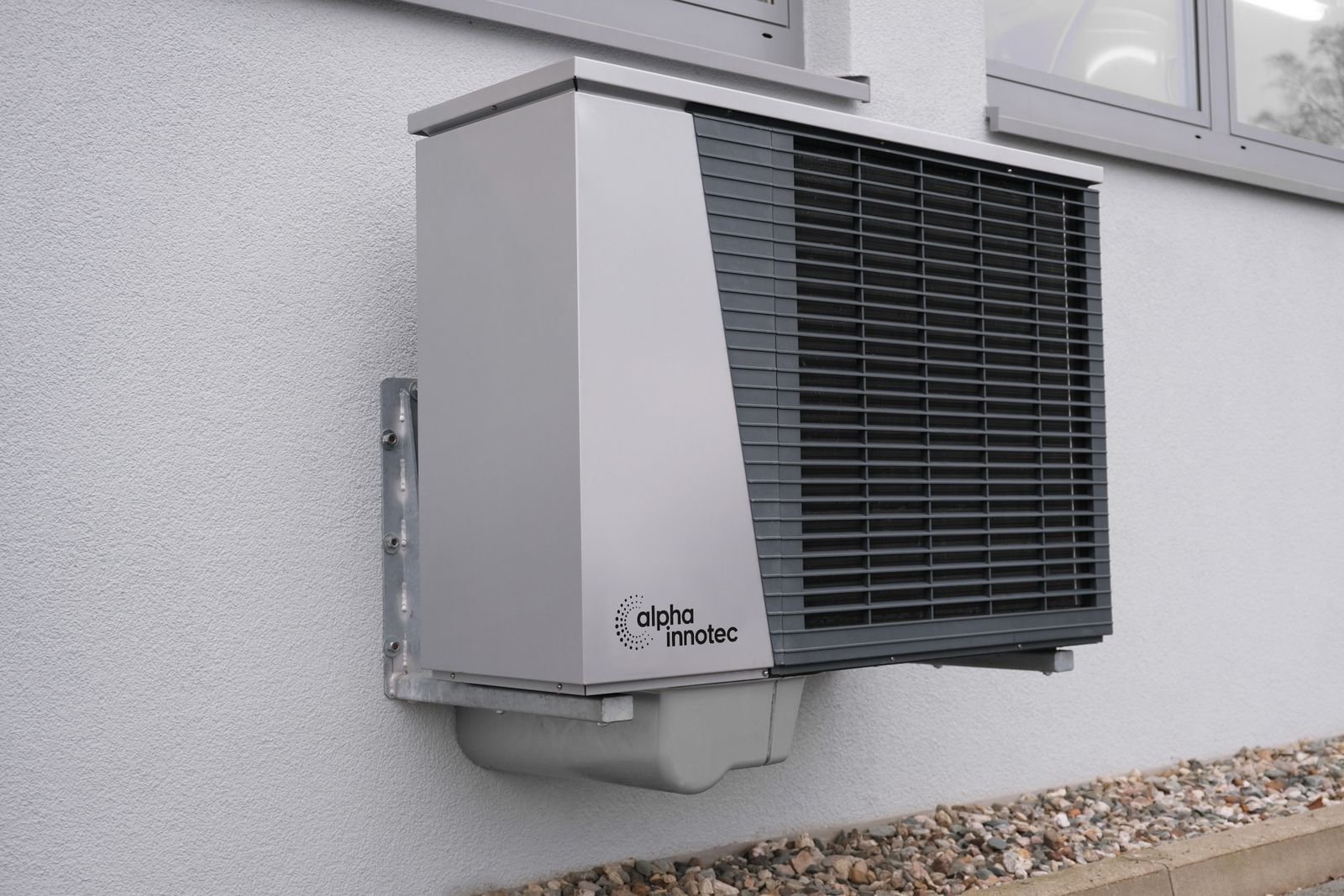
A typical 3-ton central air conditioner needs about 18 solar panels (400 W each) to cover its daily use, while a window unit needs about 4–6 and an efficient mini-split about 5. The exact count depends on your AC’s watts, how many hours it runs, and how much sun you get. Below is the math, a panels-per-AC table, and what you need to keep the AC running after dark.

Quick answer
- Window AC (8,000–12,000 BTU): about 700–1,100 W, or 4–6 panels.
- Ductless mini-split (12,000 BTU): about 600–1,000 W, or about 5 panels.
- Central AC (3-ton): about 3,300 W, or about 18 panels (7.2 kW of solar).
- Formula: AC watts × hours per day ÷ about 1,480 Wh per 400 W panel per day.
- At night: you need a battery or the grid. Panels make no power after sunset.
Can a solar energy air conditioner really run on sunshine?
Yes. Air conditioning is one of the best loads to pair with solar. Your AC works hardest on hot, sunny afternoons, which is exactly when panels produce the most. A “solar energy air conditioner” can mean two things:
- A normal AC powered by a solar system. Your rooftop panels feed the home, and the AC draws from them like any other appliance. This is how most US homes do it.
- A solar-ready AC. Some mini-splits accept panel input directly, with the grid or a battery as backup. We cover these further down.
Either way, the sizing math is the same. You need to know how many watts your AC draws and how many hours it runs.
How many watts does an air conditioner use?
Check the nameplate or spec sheet first. If you only know the BTU rating and efficiency, use this shortcut:
Watts ≈ BTU per hour ÷ EER
For example, a 12,000 BTU window unit with an EER of 11 uses about 12,000 ÷ 11 = 1,091 W. A 3-ton central AC is 36,000 BTU. At an EER of 11, that is 36,000 ÷ 11 = 3,273 W, or about 3.3 kW while the compressor runs.
Inverter-driven mini-splits are different. They slow the compressor down once the room is cool, so their average draw is often well below their rated maximum. That is why they are the easiest AC type to run on solar.
| AC type and size | Typical running watts |
|---|---|
| Window, 5,000 BTU | 450–500 W |
| Window, 8,000 BTU | 650–750 W |
| Window, 12,000 BTU | 1,000–1,200 W |
| Mini-split, 12,000 BTU (inverter) | 600–1,000 W average |
| Central, 2-ton (24,000 BTU) | 1,800–2,200 W |
| Central, 3-ton (36,000 BTU) | 2,800–3,500 W |
| Central, 4-ton (48,000 BTU) | 3,800–4,500 W |
| Central, 5-ton (60,000 BTU) | 4,500–5,500 W |
How many solar panels to run an air conditioner?
Here is the step-by-step method, using a 3-ton central AC as the example.
- Find running watts: 36,000 BTU ÷ 11 EER = 3,273 W, or about 3.3 kW.
- Estimate run hours: On a hot day, the compressor might run 8 hours in total. 3.3 kW × 8 hours = 26.4 kWh per day.
- Find what one panel makes: A 400 W panel produces about 1,350 kWh per kW per year on a US average. 0.4 kW × 1,350 kWh = 540 kWh per year. 540 ÷ 365 = 1.48 kWh per day.
- Divide: 26.4 kWh ÷ 1.48 kWh = 17.8. Round up to 18 panels, or 7.2 kW of solar.
Location changes the answer. In the sunny Southwest, a kW of solar makes closer to 1,700 kWh a year, so each 400 W panel makes about 1.86 kWh a day. The same AC then needs 26.4 ÷ 1.86 = 14.2, or about 15 panels. In the Northeast, at about 1,100 kWh per kW, each panel makes about 1.21 kWh a day, and you would need about 22 panels. Summer days also produce more than the yearly average, so these counts lean conservative.
| AC type | Watts | kWh/day (8 hrs) | 400 W panels needed | Roof space |
|---|---|---|---|---|
| Window, 8,000 BTU | 700 W | 5.6 kWh | 4 | about 84 sq ft |
| Window, 12,000 BTU | 1,100 W | 8.8 kWh | 6 | about 126 sq ft |
| Mini-split, 12,000 BTU | 800 W | 6.4 kWh | 5 | about 105 sq ft |
| Central, 2-ton | 2,000 W | 16 kWh | 11 | about 231 sq ft |
| Central, 3-ton | 3,300 W | 26.4 kWh | 18 | about 378 sq ft |
| Central, 4-ton | 4,200 W | 33.6 kWh | 23 | about 483 sq ft |
| Central, 5-ton | 5,000 W | 40 kWh | 27 | about 567 sq ft |
Want to size for your whole house, not just the AC? Plug your monthly kWh into our solar power calculator.
How much does it cost to run an AC on solar?
The 18-panel system above is 7.2 kW. At the June 2026 US average of about $2.60 per watt, that is 7,200 W × $2.60 = $18,720 installed, before any local incentives. See our solar panel cost guide for prices by system size.
Now compare that with the grid. At 18.2¢ per kWh, running the same AC costs 26.4 kWh × $0.182 = $4.80 a day. Over a 120-day cooling season, that is 26.4 × 120 = 3,168 kWh, or about $577.
So a system sized only for summer AC would take a long time to pay off. In practice, a grid-tied system makes power all year. Outside cooling season, it covers your other loads or earns bill credits. That is why most homeowners size solar for the whole home, not one appliance.
One note on incentives: the 30% federal tax credit for homeowner-owned systems ended for systems placed in service after December 31, 2025. State and utility rebates may still apply. Our solar rebates and tax credits guide explains what’s left.
What size inverter do I need for an air conditioner?
Panels are only half the story. Your inverter (and battery, if you have one) must handle the AC’s startup surge. A central AC compressor can briefly pull several times its running watts when it kicks on. Older single-speed units are the worst offenders.
- Look for the LRA (locked rotor amps) on the outdoor unit’s label. That is the surge your system must cover.
- A soft starter can cut startup surge a lot. Installers often add one when an AC runs on battery backup.
- Inverter mini-splits ramp up slowly, so they have little or no surge.
Our guide on what size solar inverter you need walks through surge vs running watts in detail.
Can I run my AC on solar at night?
Not directly. Solar panels stop producing at sunset. To keep cooling in the evening, you need either the grid or a battery.
Here is how to size a battery for evening AC:
- 3-ton central AC, 4 evening hours: 3.3 kW × 4 hours = 13.2 kWh. That is about one 13.5 kWh home battery, with almost nothing left for other loads.
- 12,000 BTU window unit, 4 hours: 1.1 kW × 4 hours = 4.4 kWh.
- Mini-split, 8 overnight hours at 500 W average: 0.5 kW × 8 hours = 4 kWh.
A 13.5 kWh home battery costs about $15,600 installed on average (EnergySage, July 2026). Central AC drains it fast, so many people use the battery for essentials and let the AC rest overnight. Learn more in our solar batteries guide and in how many solar batteries you need to run a house.
Are solar mini-split air conditioners worth it?
Solar-ready mini-splits come in two main types:
- Hybrid AC/DC units. They take DC power from a few panels during the day and blend in grid power when the sun is weak. They don’t need a battery or a separate inverter.
- Off-grid DC units. They run from a 48 V battery bank charged by panels. These suit cabins, sheds and workshops with no grid power.
They make the most sense when you want to cool one room or building without a full rooftop system. If you already have, or plan, whole-home solar, a standard high-efficiency mini-split is usually simpler and cheaper to service. Check the spec sheet for the maximum panel input (in watts and volts) and whether the unit can run on panels alone.
Safety note: AC circuits run on 240 V and grid-tied solar connects to your main panel. Hire a licensed electrician and HVAC pro for this work. Installs must meet the National Electrical Code (NEC) and need local permits and utility approval.
Frequently asked questions
Can a single solar panel run an air conditioner?
No. One 400 W panel makes about 1.5 kWh a day, and even a small window AC uses 4–6 kWh a day. You need at least 3–4 panels for the smallest units.
How many solar panels do I need for a 5-ton AC?
About 27 panels at 400 W, assuming 5,000 W for 8 hours a day (40 kWh). Sunnier states need fewer.
Will solar panels run my AC during a power outage?
Only if you have a battery or a system built for backup. Standard grid-tied systems shut off during outages for line-worker safety.
Is a mini-split better than central AC for solar?
Usually, yes. Inverter mini-splits use less power per room, have little startup surge, and need fewer panels and less battery.
Sources
- U.S. Department of Energy: Purchasing Energy-Efficient Residential Central Air Conditioners
- U.S. Department of Energy: Purchasing Energy-Efficient Room Air Conditioners
- NREL PVWatts Calculator
- EIA Short-Term Energy Outlook
Last updated: October 2026. Figures are estimates based on published averages; your AC, climate and roof will change the numbers. This article is for information only and is not electrical advice.



Leave a Reply


- Trending
- Latest
- Comments




Solar Energy Supply Stores provides current solar prices in Nigeria, expert product reviews, comparisons, and practical buying guides for solar panels, inverters, batteries, generators, and complete solar systems nationwide.
Comments 1