No products in the cart.


Best Solar Generator for Home Backup (2026): Picks by Home Size
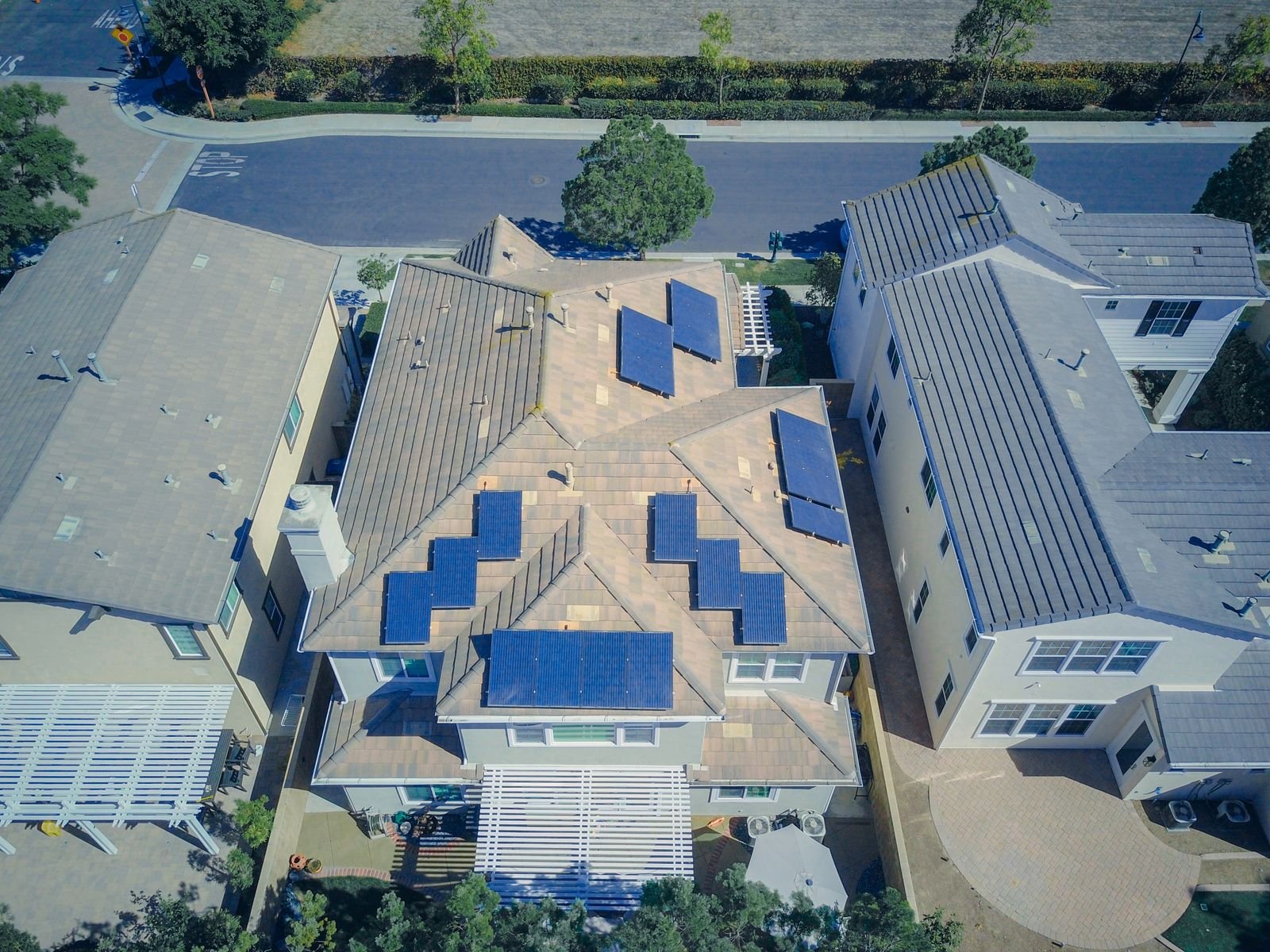
For most homes, the best solar generator for backup has 3.8–5 kWh of storage, at least 4,000 W of output, and a 120/240V port. Strong 2026 picks are the Anker SOLIX F3800 Plus, EcoFlow DELTA Pro 3 and Jackery Explorer 5000 Plus, at about $2,300–$5,000 each. A small home or apartment can get by with a 2.7 kWh unit like the Bluetti Apex 300. A large home that wants most circuits backed up should look at an expandable system like the EcoFlow DELTA Pro Ultra.

We didn’t test these units hands-on. This roundup compares published specs, warranties and typical October 2026 prices. If you’ve already narrowed it to two brands, see our head-to-heads: EcoFlow vs Jackery and Bluetti vs EcoFlow.
Quick answer
- Small home / essentials only: Bluetti Apex 300 (2.8 kWh, 3,840 W, 240V capable).
- Average home, best value: Anker SOLIX F3800 Plus (3.8 kWh, 6,000 W, expands to 26.9 kWh).
- Average home, most flexible: EcoFlow DELTA Pro 3 (4.1 kWh, 4,000 W, 2,600 W solar input).
- Large home, most output in one box: Jackery Explorer 5000 Plus (5 kWh, 7,200 W).
- Near whole-home: EcoFlow DELTA Pro Ultra (6.1 kWh per battery, expands to 90 kWh).
What is a solar generator for home backup?
A “solar generator” is a large battery with a built-in inverter, charger and solar charge controller. It stores power from the grid or solar panels and runs your home’s appliances during an outage. It makes no noise or fumes, so you can use it indoors. The home-backup class has big lithium iron phosphate (LFP) batteries, high output, and a port that can feed a transfer switch.
It’s different from a rooftop battery like a Tesla Powerwall. Those are wired into your home and cost more, about $15,600 installed for 13.5 kWh. See our Tesla Powerwall cost guide for that route.
Best solar generators for home backup: specs compared
| Model | Capacity | AC output | Max expansion | 240V | Solar input | Warranty | Typical price (Oct 2026) |
|---|---|---|---|---|---|---|---|
| Bluetti Apex 300 | 2,765 Wh | 3,840 W | About 19 kWh per unit with B300K batteries | Yes, built-in selector | Up to 2,400 W (listings vary); up to 6,400 W with SolarX 4K add-on | 5 years | About $1,500–$2,000 |
| Anker SOLIX F3800 Plus | 3,840 Wh | 6,000 W | 26.9 kWh | Yes (L14-30) | 3,200 W | 5 years | About $2,300–$3,300 |
| EcoFlow DELTA Pro 3 | 4,096 Wh | 4,000 W (6,000 W X-Boost) | 12 kWh per unit | Yes (L14-30) | 2,600 W | 5 years | About $2,800–$3,700 |
| Jackery Explorer 5000 Plus | 5,040 Wh | 7,200 W | 30 kWh per unit; 60 kWh with two units | Yes | Up to 4,300 W combined | 5 years + 2 with registration | About $3,500–$5,000 |
| EcoFlow DELTA Pro Ultra | 6,144 Wh per battery | 7,200 W | Up to 90 kWh (multi-unit system) | Yes | 5,600 W | 5 years | About $5,000–$6,000 (inverter + 1 battery) |
All five use LFP batteries, which last thousands of cycles and are safer than older lithium types. Bluetti’s older AC500 modular system is still sold in some places, but the Apex 300 is the newer home-backup design.
Which solar generator is best for a small home or apartment?
Pick: Bluetti Apex 300. At 2,765 Wh, it can keep a fridge, lights, Wi-Fi and a CPAP going for about a day. Unusually for its size, a single unit can switch to 240V output, so it can start a small 240V well pump. You can add B300K batteries later if you need more runtime. Listings disagree on its built-in solar input, so confirm that spec before you buy panels.
Which solar generator is best for an average home?
Best value: Anker SOLIX F3800 Plus. It pairs 3,840 Wh with 6,000 W of 120/240V output, which is enough to start most well pumps and many central AC units with a soft starter. It expands to 26.9 kWh with add-on batteries and takes up to 3,200 W of solar. At about $2,300–$3,300, it’s about $600–$860 per kWh of storage.
Most flexible: EcoFlow DELTA Pro 3. It has 4,096 Wh, 4,000 W of output, and two solar inputs that take 2,600 W combined (one high-voltage, one low-voltage). It also pairs with EcoFlow’s home panel and its own gas generator for long outages. Its 4,000 W continuous output is lower than the Anker’s, so large 240V motors may be a stretch.
Which solar generator is best for a large home?
Most output in one box: Jackery Explorer 5000 Plus. With 5,040 Wh and 7,200 W of output (14,400 W surge), it can handle a well pump, furnace and fridge at once. It expands to 30 kWh, or 60 kWh with two units. It accepts up to 4,000 W of high-voltage solar. Jackery adds two years to the 5-year warranty when you register it.
Near whole-home: EcoFlow DELTA Pro Ultra. This is a stackable inverter-plus-battery system. One inverter gives 7,200 W, each battery adds 6,144 Wh, and a full multi-unit system reaches 90 kWh. It takes up to 5,600 W of solar. It’s priced closer to a wall battery, but you can install it in stages.
How big a solar generator do I need for essentials?
Add up what you want to run for one day. Here’s a typical “essentials” list:
| Appliance | Running watts | Hours per day | kWh per day |
|---|---|---|---|
| Refrigerator | About 150 W average | 24 | 1.5 |
| Chest freezer | About 80 W average | 24 | 1.0 |
| LED lights, Wi-Fi, phones, laptop | About 100 W | 8 | 0.8 |
| CPAP | About 60 W | 8 | 0.5 |
| Gas furnace blower | About 500 W | 6 | 3.0 |
| Sump pump | About 800 W | 1 | 0.8 |
| Total | 7.6 |
Now size the battery:
- Daily use: 7.6 kWh.
- Allow for inverter losses (about 85% efficient): 7.6 ÷ 0.85 ≈ 8.9 kWh of battery for one full day.
- Without the furnace (summer outage): 4.6 ÷ 0.85 ≈ 5.4 kWh.
- Solar recharge: 1,600 W of panels × 5 sun hours × 0.8 = 6.4 kWh a day.
So a summer outage fits a 5 kWh unit with a modest solar array. A winter outage with a furnace needs about 9 kWh, meaning a base unit plus one expansion battery. Also check output: motors (pumps, fridges, AC) draw 2–3 times their running watts for a second when they start. For deeper sizing, see how many solar batteries to run a house.
Do you need a transfer switch for a solar generator?
Not if you only plug appliances in with extension cords. But to power hardwired loads like a furnace, well pump or sump pump, you need a safe connection to your home’s wiring. You have three options:
- Manual transfer switch: a small subpanel for 6–10 chosen circuits. You plug the generator into an inlet box outside or in the garage.
- Inlet plus interlock kit: a sliding plate on your main panel that blocks the main breaker while generator power is on. It’s often the cheapest legal option.
- Brand home panel: EcoFlow and Anker sell smart panels that switch over automatically and manage circuits from an app. Other brands offer transfer kits. These cost more but are the most seamless.
Most of these units connect through a 120/240V L14-30 port and a 30 A generator cord. Check your model’s port before you buy the inlet.
Safety note: Never “backfeed” your house with a double-male cord through a dryer outlet. It’s illegal, it can start a fire, and it can kill utility line workers. Have a licensed electrician install any transfer switch or interlock with a permit, following the NEC (Article 702 covers optional standby systems) and local code.
Solar generator vs gas generator: which is better for backup?
A solar generator is silent, makes no fumes, needs no fuel storage, and can sit indoors. It recharges from panels, so it keeps going through a long outage if the sun cooperates. A gas generator costs less per kW of output and can run for days on fuel, but it must stay outdoors because of carbon monoxide. In cloudy winter storms, some owners pair the two. They let a small gas or dual-fuel generator top up the battery for a few hours a day.
For panels to pair with these units, see our picks of portable solar panels. The same folding panels work for home backup. Or browse more gear in our best solar products hub.
Frequently asked questions
Can a solar generator power a whole house?
Only with a large, expanded system. The average US home uses about 29 kWh a day, so whole-home backup for a day takes 30+ kWh of storage and a home panel. Most owners back up essentials instead.
Can a solar generator run central air conditioning?
A 3-ton central AC draws about 3,300 W running and much more to start. The 6,000–7,200 W units can often run one, especially with a soft starter. Runtime will be short without a lot of extra battery and solar.
How long do solar generator batteries last?
LFP batteries in these units are typically rated for about 3,000–4,000 or more full cycles before they drop to about 70%–80% capacity. Used only for outages, that’s well over 10 years of service. All five picks carry a 5-year warranty.
Can I use a solar generator indoors?
Yes. It makes no exhaust, so it’s safe indoors. Keep it in a dry, ventilated spot away from heat sources, and keep the solar panels outside.
Sources
- Anker SOLIX: F3800 Plus specifications
- Lowe’s: Jackery Explorer 5000 Plus listing and specs
- Ready.gov: Power Outages safety guidance
Last updated: October 2026. Specs and prices come from manufacturer and retailer listings and change often; we did not test these products hands-on. This article is for information only and is not electrical advice.



Leave a Reply


- Trending
- Latest
- Comments








Solar Energy Supply Stores provides current solar prices in Nigeria, expert product reviews, comparisons, and practical buying guides for solar panels, inverters, batteries, generators, and complete solar systems nationwide.