No products in the cart.


US Solar Product Reviews & Comparisons
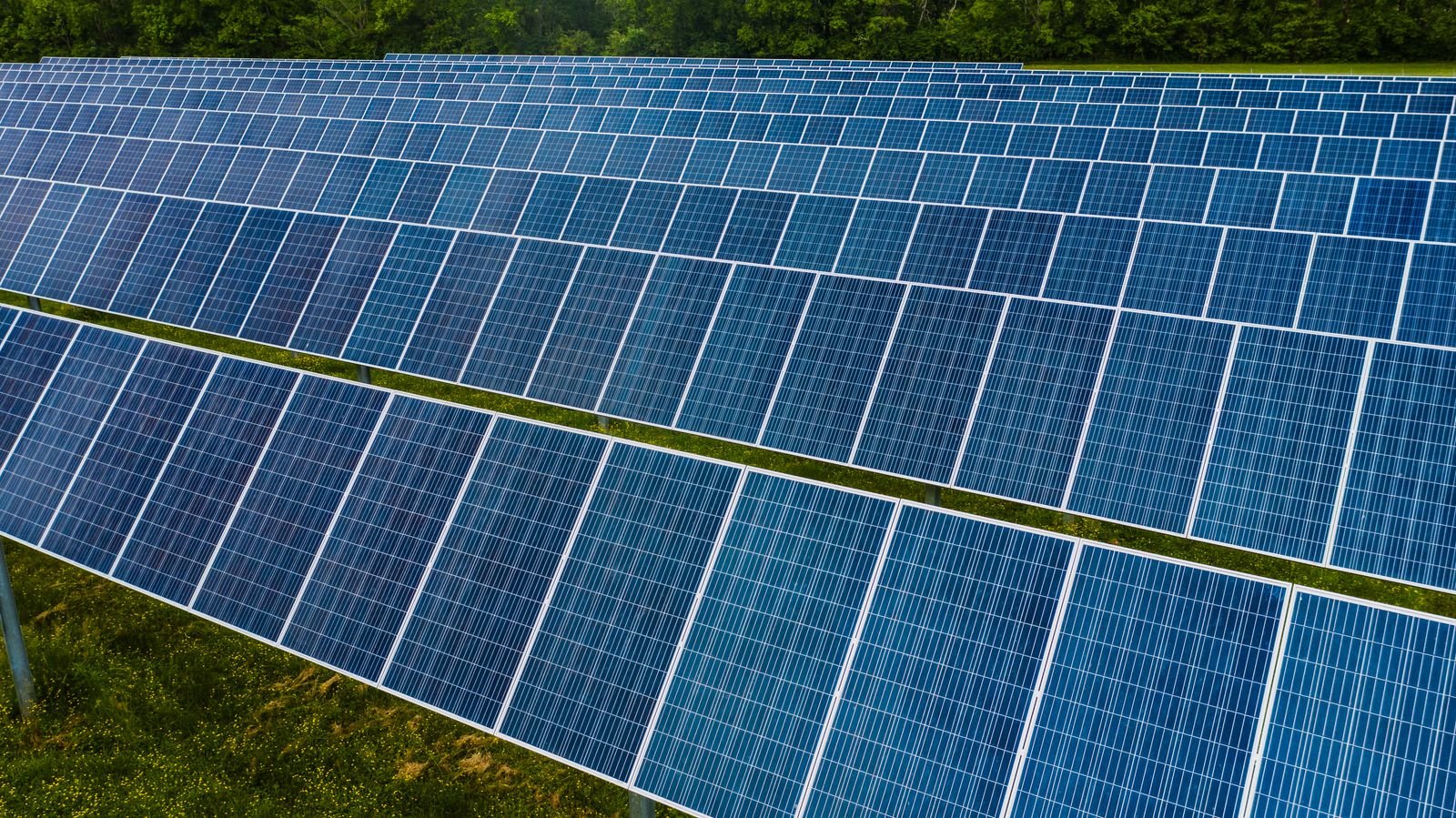
This hub collects our 6 US solar product comparisons, from $400 portable panels to whole-home power stations, and explains exactly how we research them. We compare spec sheets, warranties, published third-party tests and owner reviews. We do not take paid placements, and we say so when a spec could not be confirmed.

Quick answer
- What this is: a starting point for 6 research-based solar product comparisons for US buyers.
- How we judge: manufacturer spec sheets, warranty terms, published third-party tests and patterns in owner reviews.
- What we don’t do: claim hands-on testing we didn’t do, or accept money for rankings.
- Prices: shown as ranges with a date, because solar gear prices swing by 20–50% during sales.
- Best first read: EcoFlow vs Jackery if you want backup power without a contractor.
Which solar product comparison should I read first?
Pick the guide that matches what you want to power. Portable gear needs no permit and no installer. Rooftop products need a contractor, a permit and a utility agreement.
| If you want to… | Read this | Typical budget (Oct 2026) |
|---|---|---|
| Charge an RV or camper from the sun | Best Portable Solar Panels for RVs | About $230–$450 per 200 W panel |
| Choose between the two best-known power station brands | EcoFlow vs Jackery | About $560–$1,000 for 1–2 kWh |
| Compare more expandable, higher-input stations | Bluetti vs EcoFlow | About $380–$1,000 for 1–2 kWh |
| Replace your roof and go solar at once | Tesla Solar Roof (Shingles) | Quote-based; usually far above panels |
| Check a popular rooftop panel brand | Qcells Solar Panels Review | Priced inside an installed system |
| Buy panels built in the US | Solar Panel Manufacturers in the USA | Varies by brand |
Want a home battery instead of a portable station? Start with our solar batteries guide. A typical installed 13.5 kWh home battery costs about $15,600 (EnergySage, July 2026), so the right choice depends on how much backup you really need.
How we research products
We are a research site, not a test lab. We have not bench-tested the products on these pages. Here is what we actually do.
- Spec sheets first. We pull capacity, output, chemistry, cycle life, charge time, solar input and weight from the manufacturer’s own US product page or spec sheet. When a maker’s page and a retailer disagree, we use the maker’s figure and note the conflict.
- Warranty terms, read closely. A “5-year warranty” can mean 3 years standard plus 2 years only if you register or buy direct. We say which one applies.
- Published third-party tests. Where independent reviewers or labs have published measured results, we read them and cite them. We do not present their numbers as our own.
- Owner reviews. We look for repeated patterns across many verified-buyer reviews, such as fan noise, app problems or support delays. One angry review is not a pattern.
- Prices as dated ranges. We check the maker’s store and major US retailers, then give a range and the month we checked.
- No paid placements. No brand pays to appear or to rank higher. We have no affiliate links on these pages today. If that changes, we will label them clearly.
How do we compare power stations fairly?
We match models by capacity tier. A 1 kWh unit should face another 1 kWh unit, not a 2 kWh one. Then we check the numbers that change daily use:
- Usable energy: rated Wh × about 0.85 for inverter losses. Example: 1,024 Wh × 0.85 = about 870 Wh at the outlet.
- Cost per Wh: price ÷ capacity. Example: $719 ÷ 1,024 Wh = about $0.70 per Wh.
- Cycle rating and its cutoff: “4,000 cycles to 80%” is a stricter claim than “4,000 cycles to 70%.”
- Solar input: more watts in means faster recharge. 400 W of panels × 5 sun hours × 0.75 = about 1,500 Wh a day.
How do we review rooftop solar products?
For panels and solar roofs, we look at efficiency, temperature coefficient, product and power warranties, and where the product is made. We price them as part of an installed system. The US average is about $2.60 per watt (EnergySage, June 2026), so a 7 kW system runs about $18,340 before incentives. See our solar panel cost guide for the full breakdown.
One change matters for every rooftop buyer: the 30% federal Residential Clean Energy Credit ended for systems placed in service after December 31, 2025. Our rebates and tax credits guide covers what is left.
Frequently asked questions
Do you test products hands-on?
No. Our reviews are research-based. We compare manufacturer specs, warranties, published third-party tests and owner reviews, and we say when something could not be verified.
Do brands pay to be included?
No. There are no paid placements and no affiliate links on these pages today.
How often do you update prices?
We recheck when we update each guide and show the month we checked. Power station prices change weekly during sales, so confirm the price before you buy.
Is a power station the same as a home battery?
Not quite. A power station is portable and plugs in. A home battery is wired into your panel by an electrician. Our solar batteries guide explains the difference.
Sources
- FTC: Endorsement Guides, What People Are Asking
- U.S. Department of Energy: Homeowner’s Guide to Going Solar
- NREL PVWatts Calculator
Last updated: October 2026. Prices and specs change; check the manufacturer before buying. This article is for information only and is not financial advice.


Leave a Reply


- Trending
- Latest
- Comments







Solar Energy Supply Stores provides current solar prices in Nigeria, expert product reviews, comparisons, and practical buying guides for solar panels, inverters, batteries, generators, and complete solar systems nationwide.
Comments 1