No products in the cart.


How Many Solar Panels to Run a Pool Pump?
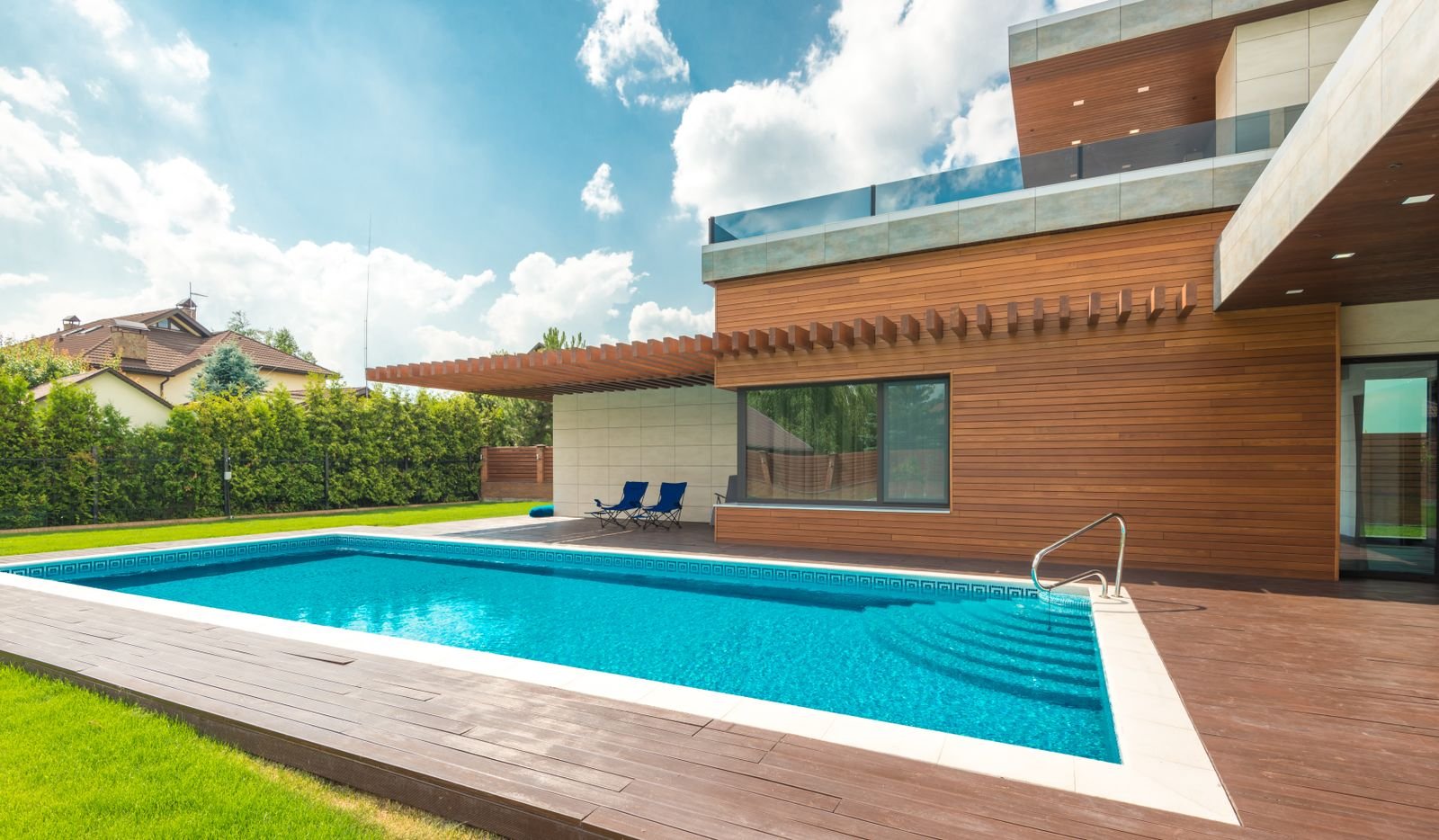
A typical 1.5 HP single-speed pool pump running 8 hours a day needs about 9 solar panels rated at 400 watts (a 3.6 kW system). A variable-speed pump doing the same job often needs just 3 to 4 panels. The pump type and how long you run it matter much more than the size of your pool.

Quick answer
- 1.5 HP single-speed, 8 hours: about 14.4 kWh a day, or 9 panels.
- Variable-speed, 12 hours on low: about 4.8 kWh a day, or 3 panels.
- Formula: daily kWh ÷ (sun hours × 0.8) = kW of panels.
- Cheapest first step: switch to a variable-speed pump, then add panels.
- Safety: pool wiring falls under NEC Article 680. Use a licensed electrician.
How many watts does a pool pump use?
One horsepower equals 746 watts of mechanical power. But a pump motor draws more than that from the wall, because motors are not 100% efficient and many have a service factor above 1.0. In practice, a single-speed pump draws more watts than its horsepower suggests.
The best way to know your pump’s draw is the nameplate. Multiply volts by amps. A 230 V pump rated at 8 amps draws about 230 × 8 = 1,840 W at full load.
| Pump size | Single-speed draw | Variable-speed draw (low to high) |
|---|---|---|
| 0.75 HP | About 1,000–1,200 W | About 100–900 W |
| 1 HP | About 1,200–1,500 W | About 100–1,200 W |
| 1.5 HP | About 1,600–2,000 W | About 150–1,700 W |
| 2 HP | About 2,000–2,500 W | About 200–2,200 W |
How many hours a day should a pool pump run?
Many pool owners aim to turn over the full volume of water about once a day. With a single-speed pump, that often takes 6 to 10 hours. With a variable-speed pump, owners usually run longer at a low speed, often 10 to 24 hours.
That sounds like it would use more energy, but it doesn’t. Pump power drops sharply as speed drops. Under the pump affinity laws, cutting speed in half cuts power to roughly one-eighth. So a variable-speed pump can move the same water over a longer time for a fraction of the energy.
How do you calculate panels for a pool pump? (Worked example)
Here is the math for a 1.5 HP single-speed pump drawing 1,800 W, in an area with 5 peak sun hours. We allow 20% for system losses (heat, wiring, inverter).
- Daily energy: 1,800 W × 8 hours = 14,400 Wh = 14.4 kWh.
- Output per kW of panels: 5 sun hours × 0.8 = 4 kWh a day.
- System size: 14.4 kWh ÷ 4 = 3.6 kW.
- Panels: 3,600 W ÷ 400 W = 9 panels.
Now the same pool with a variable-speed pump averaging 400 W for 12 hours:
- Daily energy: 400 W × 12 hours = 4.8 kWh.
- System size: 4.8 kWh ÷ 4 = 1.2 kW.
- Panels: 1,200 W ÷ 400 W = 3 panels.
The variable-speed pump cuts the panel count by two-thirds. To size a whole-home system that includes the pool, use our solar power calculator.
Pool pump solar panel chart
| Pump and schedule | Daily kWh | Panels at 4 sun hours | Panels at 5 sun hours | Panels at 6 sun hours |
|---|---|---|---|---|
| 1 HP single-speed, 1,400 W × 8 h | 11.2 | 9 | 7 | 6 |
| 1.5 HP single-speed, 1,800 W × 8 h | 14.4 | 12 | 9 | 8 |
| 2 HP single-speed, 2,200 W × 8 h | 17.6 | 14 | 11 | 10 |
| Variable-speed, 400 W avg × 12 h | 4.8 | 4 | 3 | 3 |
| Variable-speed, 600 W avg × 10 h | 6.0 | 5 | 4 | 4 |
Should you switch to a variable-speed pump first?
For most owners, yes. It is usually cheaper to cut the load than to buy panels to cover it. The Department of Energy has also been phasing out older single-speed designs:
- July 19, 2021: federal efficiency standards for dedicated-purpose pool pumps took effect. Most single-speed pumps of 1 total HP or more can’t meet them.
- September 29, 2025: replacement pool pump motors from about 1.15 to 5 total HP must be variable-speed.
- September 28, 2027: smaller motors (about 0.5 to 1.15 total HP) are scheduled to follow.
So if your old pump fails, your replacement will likely be variable-speed anyway. Check with your pool pro, since some exemptions apply.
How much can solar save on pool pump costs?
At the 2026 US average rate of 18.2¢ per kWh:
- Single-speed, 6-month season: 14.4 kWh × 180 days × $0.182 = $472
- Single-speed, year-round (Florida, Arizona): 14.4 kWh × 365 × $0.182 = $957
- Variable-speed, year-round: 4.8 kWh × 365 × $0.182 = $319
Panels cost about $2.60 per watt installed on average in 2026. Nine panels (3.6 kW) work out to 3,600 × $2.60 = $9,360 as part of a larger home system. A small stand-alone array often costs more per watt, because permits and labor don’t shrink with system size. Our solar panel cost guide has prices by system size.
Most homeowners don’t wire panels straight to the pump. They add a few panels to a grid-tied home system and run the pump during midday sun. That way the panels cover the pump when it runs, and send extra power to the grid when it doesn’t.
Do DC solar pool pumps work?
Yes. A DC solar pool pump runs straight from panels through a controller, with no inverter and no grid. It speeds up in strong sun and slows down when clouds pass. Many also accept an AC adapter as backup for cloudy days.
- Pros: no electric bill for the pump, simple setup, no inverter needed.
- Cons: flow drops on cloudy days, they need their own panels and space, and they may not suit pools with heaters, spa jets or long pipe runs.
Prices vary a lot by brand and size, so get quotes and check the maker’s panel requirements before you buy.
What size inverter do you need for a pool pump?
On a grid-tied system, the inverter is sized to your panels, so the pump doesn’t change it. On off-grid or battery backup systems, the inverter must cover the pump’s running watts plus its start-up surge. Single-speed motors can surge to 2 to 3 times their running watts. Variable-speed pumps soft-start, which is much easier on an inverter. Our guide to what size solar inverter you need explains surge sizing.
Running the pool at night from batteries is costly. It is usually better to schedule the pump for daytime. If you also want to cool the house with solar, see our solar-powered air conditioner guide and our solar batteries guide.
Safety note
Water and electricity are a deadly mix. Pool wiring, bonding and GFCI protection are covered by NEC Article 680, and solar wiring by NEC Article 690. Hire a licensed electrician for grid-tied solar, any 120/240 V pump circuit and all pool bonding work. Check with your local building department about permits.
Frequently asked questions
Can one solar panel run a pool pump?
Not a standard one. A 400 W panel makes about 1.6 kWh on a 5-sun-hour day, after losses. Even a variable-speed pump usually needs 3 or more panels. Small DC pumps for above-ground pools can run on less.
How many solar panels do I need for a 1 HP pool pump?
About 6 to 9 panels for a single-speed 1 HP pump running 8 hours, depending on your sun hours. A variable-speed pump of similar size often needs 3 to 4.
Can I run my pool pump on solar during a power outage?
Only with a battery or a backup-capable hybrid inverter. Standard grid-tied systems shut off during outages for safety.
Is solar for a pool pump worth it?
It is worth it most for year-round pools in sunny states with high power rates. In short-season areas, switching to a variable-speed pump usually pays back faster than adding panels.
Sources
- U.S. DOE Building America: Replacing Single-Speed Pool Pumps with Variable Speed Pumps
- U.S. DOE: Dedicated-Purpose Pool Pump Motors final rule
- U.S. EIA: Short-Term Energy Outlook (electricity prices)
Last updated: October 2026. Pump wattages are typical ranges; check your pump’s label. This article is for information only and is not electrical advice.



Leave a Reply


- Trending
- Latest
- Comments







Solar Energy Supply Stores provides current solar prices in Nigeria, expert product reviews, comparisons, and practical buying guides for solar panels, inverters, batteries, generators, and complete solar systems nationwide.
Comments 1