No products in the cart.


Do Solar Panels Increase Home Value? (2026 Data)
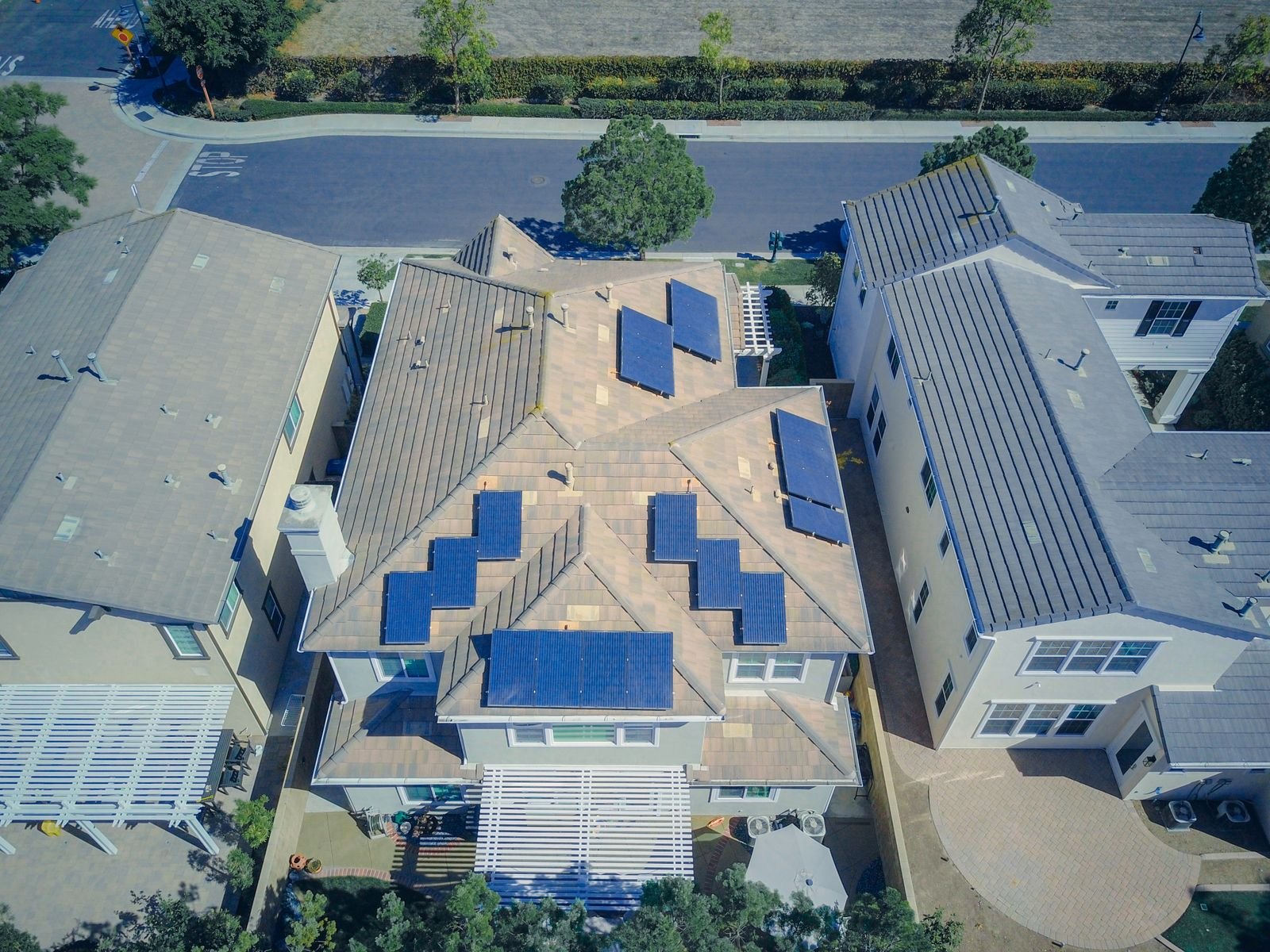
Yes. Owned solar panels usually raise a home’s sale price. Zillow found homes with solar sold for up to 4.1% more, and Lawrence Berkeley National Laboratory (LBNL) found buyers paid about $15,000 more for an average-sized system. Leased panels rarely add value, because the house doesn’t own them. And in many states, the added value is exempt from property tax.

Quick answer
- Zillow (2019): homes with solar sold for up to 4.1% more, about $9,274 on the median US home at the time.
- LBNL “Selling Into the Sun” (2015): about $4 per watt, or $15,000 for an average 3.6 kW system.
- Owned vs leased: owned systems add value; leased and PPA systems usually don’t.
- Property tax: more than 30 states exempt some or all of solar’s added value.
- Biggest factors: local power prices, the system’s age, export credit rules, and how well it’s documented.
How much value do solar panels add to a home?
Two well-known studies give the best answer. They used different methods and different years, but both found a clear premium.
| Study | Data | Finding |
|---|---|---|
| Zillow (2019) | Home sales from March 2018 to February 2019 | Up to 4.1% more; about $9,274 on the median-valued US home |
| LBNL, “Selling Into the Sun” (2015) | 22,822 sales in 8 states, 3,951 with solar, sold 2002–2013 | About $4/W, or about $15,000 for an average 3.6 kW system |
Zillow’s premium varied a lot by place. It found about 9.9% in New Jersey, 4% statewide in Florida, and 3% statewide in California, with higher figures in some cities. Places with high power prices and strong solar awareness tend to show bigger premiums.
Both studies are a few years old, and no newer national study of the same scale has replaced them. Treat them as a guide, not a promise for your house.
What would that mean for my home in 2026?
Here are two quick ways to estimate it. Both are rough.
Method 1: Zillow’s percentage
- Pick your home’s value. Example: $350,000.
- Apply the 4.1% upper figure: $350,000 × 0.041 = $14,350.
- Treat that as a ceiling, not an average. Many homes will see less.
Method 2: Replacement cost
LBNL found that premiums tracked what a buyer would pay to install the same system, after incentives. Today a new system costs about $2.60 per watt with no federal credit (EnergySage, June 2026).
- New cost of a 7 kW system: 7,000 W × $2.60 = $18,200 (EnergySage’s 7 kW average is $18,340).
- Age adjustment for a 5-year-old system on a 25-year life: 20 ÷ 25 = 80% of life left.
- Rough value: $18,340 × 0.80 = about $14,700.
Appraisers also look at savings. A 7 kW system makes about 9,450 kWh a year (7 kW × 1,350 kWh). At the 2026 US average of 18.2¢/kWh, that’s about $1,720 a year in power. A buyer may pay more for a home with that built-in saving. For current install prices by size, see our solar panel cost guide.
Do leased solar panels increase home value?
Usually not. With a lease or PPA, a solar company owns the panels. The buyer gets a monthly bill along with the house, not an asset. Fannie Mae’s lending rules tell appraisers not to give value to leased panels, since they aren’t part of the property.
| Ownership | Adds to appraisal? | Effect on a sale |
|---|---|---|
| Owned, paid off | Often yes | Usually a plus |
| Owned with a loan | Yes, once the loan is paid at closing | Seller pays off the loan from sale proceeds |
| Lease | Usually no | Buyer must qualify and take over payments; can slow a sale |
| PPA | Usually no | Same as a lease |
If you’re weighing a lease vs owning for a new install, resale is a real factor. Our solar loans guide compares the options.
Do solar panels raise your property taxes?
In many states, no. More than 30 states offer a full or partial property tax exemption for the value solar adds. So you can get the higher sale price without a higher yearly tax bill. Two examples:
- Texas: Tax Code §11.27 exempts the value a solar system adds. At a 1.47% tax rate, a $22,500 system would otherwise cost about $331 a year ($22,500 × 0.0147). See solar panels in Texas.
- California: the exclusion covers only systems completed before January 1, 2027. See solar panels in California.
Rules differ by state and sometimes by county. Search DSIRE (linked below) or call your county assessor. For other incentives still available, see solar rebates and tax credits in 2026.
What makes solar add more (or less) value?
- Local electricity prices. Higher rates mean bigger savings and a bigger premium.
- Export credits. Full retail net metering makes each kWh worth more than a low export rate does.
- System age. A 3-year-old system is worth more than a 20-year-old one. See how long solar panels last.
- Roof condition. An old roof under the panels can cut the premium, since buyers face removal and reinstall costs.
- Looks and fit. A neat, well-placed array usually helps more than a patchwork one.
- Batteries. Backup power can appeal to buyers in outage-prone areas, though there’s little hard data on the premium yet.
How do you get solar counted in an appraisal?
Many appraisers have few nearby solar sales to compare against, so they may undervalue the system. You can help.
- Ask for an appraiser with green or solar experience. Your lender can request one.
- Give a one-page system summary. Size in kW, install date, panel and inverter brands, and ownership status.
- Include 12 months of production and bills. Show the real savings, not just the installer’s estimate.
- Attach warranties and the permit sign-off. Proof that the system is legal and covered.
- Point to the Appraisal Institute’s green addendum. The Residential Green and Energy Efficient Addendum lets appraisers record solar details in a standard way.
- List it in the MLS. Sellers should make sure the listing says “owned solar” and gives the system size.
What if you’re the buyer?
Buyers need to check ownership, documents, inspection results and lease terms before closing. Our guide to buying a house with solar panels walks through each step.
Frequently asked questions
Do solar panels make a house harder to sell?
Owned systems rarely do. Leased systems can slow a sale, because the buyer has to qualify for and accept the contract.
Will I get back what I paid for solar when I sell?
Not always in full. The premium tends to track what a new system would cost today, minus wear. Add the savings you got while living there, and many owners come out ahead.
Do solar panels increase home insurance costs?
Sometimes slightly, because the home costs more to rebuild. Tell your insurer about the system so it’s covered.
Is the 4.1% figure still accurate in 2026?
It’s the best-known national figure, but it’s based on 2018–2019 sales. Local sales data and an experienced appraiser give a better answer for your home.
Sources
- Lawrence Berkeley National Laboratory: Selling Into the Sun
- CNBC: Zillow analysis of solar home premiums (2019)
- DSIRE: State property tax exemptions and incentives
- EIA: Short-Term Energy Outlook
Last updated: October 2026. Home value premiums vary by market, and study figures are averages from past sales. This article is for information only and is not tax or financial advice.




Leave a Reply


- Trending
- Latest
- Comments









Solar Energy Supply Stores provides current solar prices in Nigeria, expert product reviews, comparisons, and practical buying guides for solar panels, inverters, batteries, generators, and complete solar systems nationwide.