No products in the cart.


Generator vs Inverter vs Solar in Nigeria (2026): Which Is Cheaper?
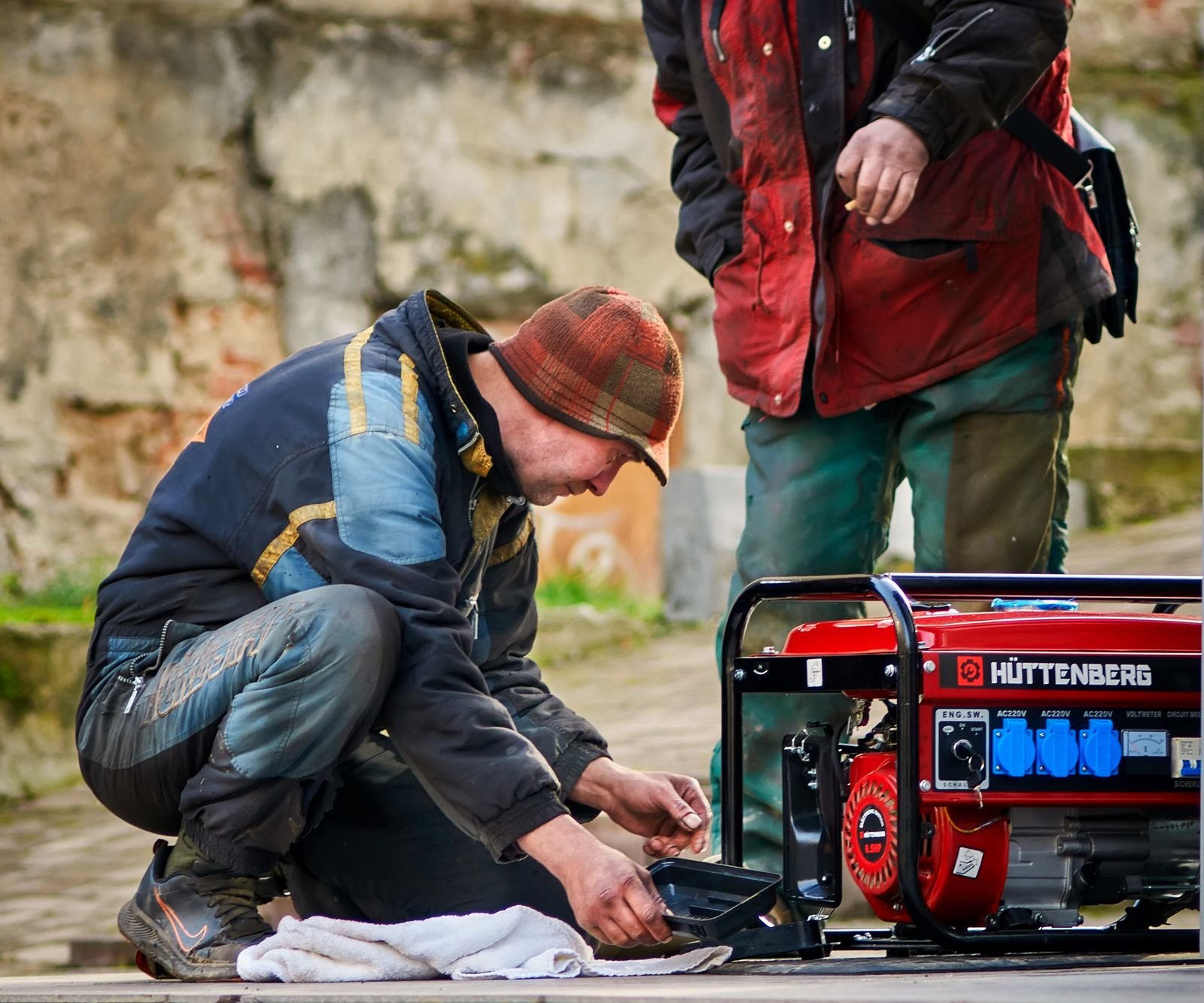
For a typical 2-bedroom flat in Lagos or Abuja, a petrol generator costs about ₦220,000 a month to run and roughly ₦8,000,000–₦8,600,000 over three years. An inverter and battery charged from the grid costs about ₦2,900,000–₦4,300,000 over three years, and a full solar system about ₦3,500,000–₦3,700,000, which makes solar the cheapest option for most homes after year two.

Quick answer
- Petrol generator: cheapest to buy (₦250,000–₦450,000) but about ₦220,000 a month in fuel and servicing at 5 hours a day.
- Inverter + battery only: ₦1,800,000–₦2,300,000 upfront, about ₦24,000 a month in grid charging; needs 8+ hours of NEPA to recharge.
- Full solar: ₦3,000,000–₦4,500,000 upfront, almost nothing to run, and it also cuts your daytime DisCo bill.
- Break-even: solar pays back its extra cost over a generator in about 15 months; inverter + battery in about 9 months.
- Verdict: solar for most families, inverter + battery for flats with good grid supply, a generator only as a backup or for very short-term use.
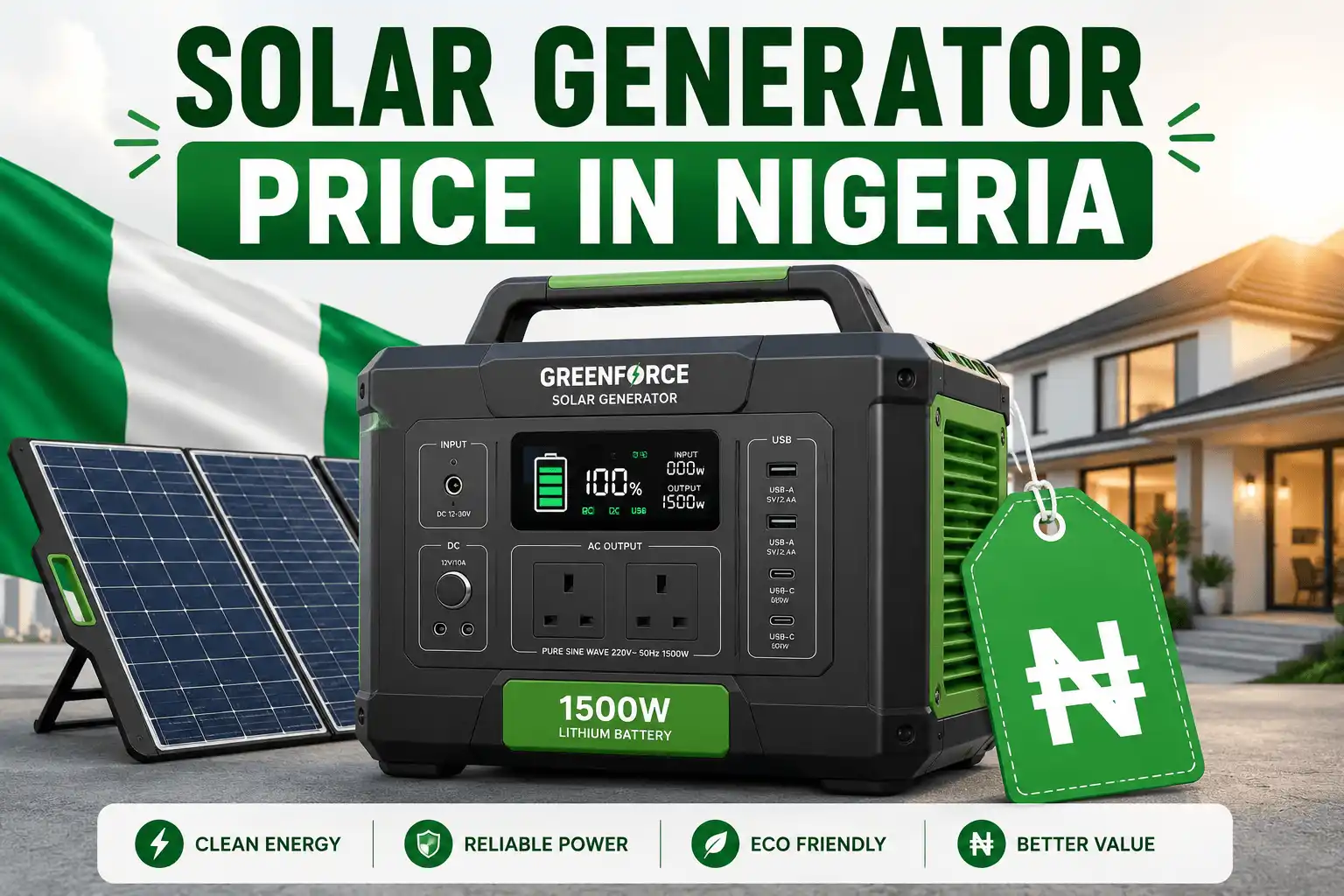
This guide compares running costs, not shopping lists. If you want price lists by size and brand, see our complete solar system cost in Nigeria guide and our solar generator price in Nigeria guide for all-in-one power stations.
What home are we pricing?
To compare fairly, all three options power the same 2-bedroom flat when NEPA is off:
- 4 standing fans, a 43-inch LED TV, a decoder, 8 LED bulbs, 2 laptops and a fridge.
- Average evening load of about 600 W, with peaks near 1,000 W when the fridge compressor kicks in.
- Backup needed for about 5 hours each evening, so roughly 3 kWh a day from the backup source.
- No air conditioner and no pumping machine on backup. Add those and every figure below goes up sharply.
Want to size your own home instead? Use our solar load calculator for Nigeria.
How much does it cost to run a petrol generator in Nigeria per month?
NNPC stations sold petrol at ₦1,360 per litre in Lagos and ₦1,370 in Abuja at the start of October 2026, and depot prices were still rising, so independent marketers are often higher. We use ₦1,370 per litre for the maths.
A 2.5–3.5kVA petrol generator such as a Sumec Firman SPG 2500 or SPG 3000 burns roughly 0.8–1.5 litres an hour depending on load. At a light 600 W household load, budget about 1 litre an hour:
- Fuel: 5 hours × 1 litre × ₦1,370 = ₦6,850 a day, or ₦205,500 a month.
- Servicing: an oil change every 50–100 running hours (about twice a month at this use), plus plugs, air filter and the odd carburettor clean-out: about ₦15,000 a month.
- Total running cost: about ₦220,500 a month.
Every ₦100 rise in the pump price adds about ₦15,000 a month at this usage. Run the generator for only 3 hours a night and fuel falls to about ₦123,000 a month, which is still more than a solar system costs to own per month over three years.
How much does an inverter and battery cost to run without solar?
An inverter-only setup charges its batteries when NEPA is on and powers the house when it goes off. For our flat that means a 3.5kVA 48V inverter and four 220Ah tubular batteries, which give about 5 kWh of usable storage if you only drain them halfway. Expect about ₦1,800,000–₦2,300,000 installed (inverter about ₦450,000–₦700,000, four batteries about ₦1,200,000–₦1,400,000, plus cables, breakers and labour).
Running cost is the electricity used to refill the batteries. Replacing 3 kWh a day with about 15% charging losses takes roughly 3.5 kWh from the grid:
- Band A (about ₦209/kWh): 3.5 × ₦209 × 30 = about ₦22,000 a month.
- Bands B–E: lower tariffs, so less, but you also get fewer supply hours to recharge.
- Battery care: distilled water for tubular batteries every few months, about ₦2,000 a month averaged.
The catch: four 220Ah batteries need roughly 6–8 hours of steady grid supply to refill. On Band D or E feeders with under 8 hours of light, the batteries never fully charge, die early, and many owners end up running a generator just to charge them. Tubular batteries also tend to need replacing after 2–4 years. Our solar battery price guide compares tubular and lithium options.
How much does a full solar system cost to run in Nigeria?
A full solar setup for the same flat is a 3.5kVA hybrid inverter, about 5 kWh of lithium (LiFePO4) battery and five or six 550W panels. Installed, that costs about ₦3,000,000–₦4,500,000 depending on brands; we use ₦3,500,000. For the detailed breakdown by size, see the complete solar system cost guide.
Running costs are close to zero: occasional panel washing, especially after harmattan dust, and a yearly check of connections, about ₦50,000 a year or ₦4,000 a month. Panels produce power during the day too, so a solar home also buys less electricity from its DisCo. We have not counted that saving below, which makes solar look slightly worse than it really is.
Generator vs inverter vs solar: which is cheaper over 3 years?
| Cost item | Petrol generator | Inverter + battery (grid-charged) | Full solar (lithium) |
|---|---|---|---|
| Upfront cost (typical range) | ₦250,000–₦450,000 | ₦1,800,000–₦2,300,000 | ₦3,000,000–₦4,500,000 |
| Upfront used in our maths | ₦300,000 | ₦2,000,000 | ₦3,500,000 |
| Fuel or grid charging per month | ₦205,500 | ₦22,000 | ₦0 |
| Maintenance per month | ₦15,000 | ₦2,000 | ₦4,000 |
| Monthly running cost | ₦220,500 | ₦24,000 | ₦4,000 |
| Replacements within 3 years | About ₦300,000 (new generator or major overhaul) | ₦0–₦1,400,000 (tubular bank if it fails by year 3) | None expected |
| 3-year total | About ₦8,540,000 | About ₦2,860,000–₦4,260,000 | About ₦3,640,000 |
| Cost per month over 3 years | About ₦237,000 | About ₦79,000–₦118,000 | About ₦101,000 |
Two things stand out. First, a generator’s fuel bill overtakes the full price of a solar system in about 15 months (₦3,200,000 extra upfront ÷ ₦216,500 saved a month). Second, inverter + battery looks cheapest only if the batteries last the full three years and your grid supply is good. In year four and beyond, solar pulls clearly ahead because lithium batteries last 3,000–6,000 cycles and panels last 25 years.
Which is quieter, cleaner and easier to maintain?
| Factor | Petrol generator | Inverter + battery | Full solar |
|---|---|---|---|
| Noise | Loud, roughly 65–75 dB nearby; neighbours hear it | Near silent, small fan hum | Near silent, small fan hum |
| Fumes and safety | Carbon monoxide risk; must run outdoors, away from windows | None; keep batteries ventilated | None |
| Routine maintenance | Oil every 50–100 hours, plugs, filters, carburettor | Top up tubular batteries every 2–3 months | Wash panels, check connections yearly |
| Typical lifespan | About 2–4 years under daily use | Inverter 5–10 years; tubular batteries 2–4 years | Panels 25 years; inverter 5–10 years; lithium 8–10 years |
| Handles AC and pumping machine? | Yes, if sized for it | Yes, but drains batteries fast | Yes, best during sunshine hours |
| Depends on | Petrol price and availability | NEPA supply hours | Sunshine (4–6 hours a day in most of Nigeria) |
Which should I buy for my type of home?
Single room, self-contain or student
Skip the generator. A small power station or a 1–1.5kVA inverter with one battery runs a fan, bulbs, phone and laptop for a fraction of the fuel cost. Our solar generator guide covers the all-in-one units.
Flat with 12+ hours of NEPA a day (Band A or B)
An inverter + battery is the cheapest sensible choice. Buy a hybrid inverter so you can add panels later without replacing it, and consider lithium batteries if you can stretch the budget.
Family home with poor supply (Band D or E)
Go solar. Without enough grid hours, an inverter alone cannot recharge, and a generator will cost you over ₦2,500,000 a year in petrol. A 3.5–5kVA solar system usually pays for itself in under two years. Compare sizes in our 5kVA inverter price guide.
Home with ACs, pumping machine or a small shop
Use solar for daytime loads and the evening basics, and keep a generator only for rare heavy use or long rainy spells. Running ACs on batteries at night needs a much bigger battery bank, which is where costs jump.
Renting for less than a year
A generator or a portable power station makes sense if you will move soon and cannot install panels. Over any period longer than about 15 months, though, the fuel bill beats the price of solar.
Can’t pay upfront? Many sellers now offer instalments; see our guide to buy now, pay later solar in Nigeria.
Frequently asked questions
Is solar cheaper than a generator in Nigeria?
Yes, after about 15 months for a typical flat. A generator running 5 hours a day costs about ₦220,000 a month at ₦1,370 per litre, while a solar system has almost no running cost once installed.
How many litres of petrol does a 2.5kVA generator use per hour?
Roughly 0.8–1.0 litres an hour at half load and up to about 1.5 litres at full load. Older or poorly serviced generators use more.
Can an inverter work without solar panels?
Yes. It charges its batteries from NEPA and supplies power during outages. It only works well if you get enough grid hours, usually 8 or more a day, to refill the batteries.
Can I add solar panels to my inverter later?
If it is a hybrid inverter with a built-in MPPT charge controller, yes. Older inverter-only models need a separate charge controller. Check the spec sheet before you buy.
Will solar work during the rainy season?
Yes, but output drops on heavy overcast days. Most homes rely on grid charging or a small generator for a few days a year, which is still far cheaper than running a generator daily.
Need help choosing? Contact us or browse our shop.
Sources
- Legit.ng: NNPC petrol pump prices, 1 October 2026
- Zit.ng: Sumec Firman generator prices and fuel consumption
- Zit.ng: 3.5kVA inverter, battery and panel package
- Zit.ng: 12V 220Ah tubular battery listing
Last updated: October 2026. Prices are estimates and change with the exchange rate; confirm with the seller before you buy.


Leave a Reply


- Trending
- Latest
- Comments






Solar Energy Supply Stores provides current solar prices in Nigeria, expert product reviews, comparisons, and practical buying guides for solar panels, inverters, batteries, generators, and complete solar systems nationwide.