No products in the cart.


Tesla Powerwall Cost (2026): Price, Installation & Is It Worth It
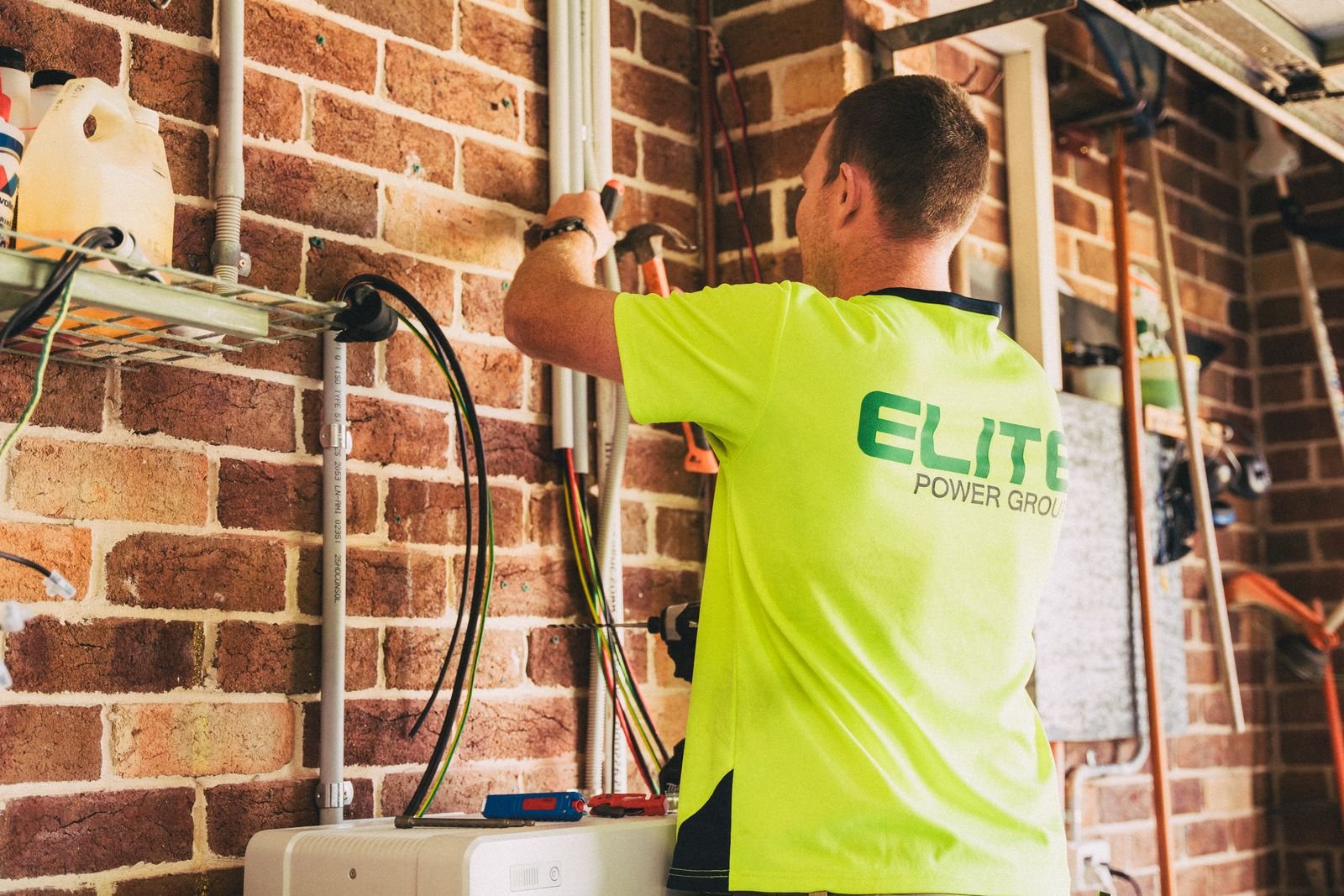
A single Tesla Powerwall 3 costs about $15,300–$16,200 installed in 2026 before incentives, based on Tesla quotes in eight US markets. EnergySage data puts Tesla closer to $967 per kWh, or about $13,000 for 13.5 kWh. Each added expansion unit runs about $5,900 plus installation.

Tesla doesn’t post one fixed national price. Your quote depends on your home’s wiring, permits, and how many units you add. Below we break down the Tesla Powerwall cost, how many you need, and whether it makes financial sense.
Quick answer
- One Powerwall 3, installed: about $13,000–$16,200 before incentives.
- Expansion unit: about $5,900 each, plus roughly $700–$1,000 more in installation.
- Specs: 13.5 kWh storage, 11.5 kW continuous power, built-in solar inverter.
- Federal credit: the 30% homeowner credit ended for systems placed in service after Dec. 31, 2025.
- Worth it? Mostly for backup power, time-of-use rates, or low export credits; bill savings alone rarely pay it off within the 10-year warranty.
How much does a Tesla Powerwall 3 cost in 2026?
Published 2026 figures fall in a fairly tight band:
| Item | Typical 2026 price |
|---|---|
| One Powerwall 3, installed (Tesla quotes) | about $15,300–$16,200 |
| Tesla, per kWh installed (EnergySage) | about $967 per kWh (about $13,000 for 13.5 kWh) |
| Installation labor share, one unit | about $6,100 |
| Powerwall 3 Expansion unit | about $5,900 each, plus $700–$1,000 to install |
| Whole-home backup system (any brand) | about $34,000 |
For comparison, EnergySage puts the average home battery at about $15,600 installed for 13.5 kWh. So the Powerwall 3 sits right around the market average. For other brands and chemistries, see our solar batteries guide.
Cost per kWh of storage, step by step: $15,600 ÷ 13.5 kWh = about $1,156 per kWh. At the low end, $13,055 ÷ 13.5 kWh = $967 per kWh.
What do you get with a Powerwall 3?
| Spec | Powerwall 3 |
|---|---|
| Usable energy | 13.5 kWh |
| Continuous power | 11.5 kW |
| Chemistry | Lithium iron phosphate (LFP) |
| Built-in solar inverter | Yes, up to 20 kW of solar input |
| Round-trip efficiency | about 89% |
| Warranty | 10 years, at least 70% capacity retained |
| Cold-weather operation | Down to -4°F with heat mode |
The built-in inverter is a big part of the value. If you are adding new solar at the same time, the Powerwall 3 can replace a separate solar inverter, which trims the total project cost.
Are there rebates or tax credits for a Powerwall?
The 30% federal Residential Clean Energy Credit, which covered home batteries, ended for systems placed in service after December 31, 2025. A battery installed in 2026 doesn’t qualify. If yours was installed in 2025, you can still claim it and carry unused credit forward.
Tesla also ran a $500 rebate on Powerwalls ordered between November 2025 and March 2026 and installed by September 30, 2026. That window appears to have closed, so check Tesla’s site for current offers. State and utility programs still exist in some areas, such as California’s SGIP. Our solar rebates and tax credits guide lists where to look.
How many Powerwalls do you need?
Start with the daily kWh you want to back up. Here are two worked examples:
- Essentials only. Fridge (1.5 kWh) + lights (1 kWh) + internet and phones (0.5 kWh) + furnace fan or a small AC (5 kWh) = 8 kWh per day. 8 ÷ 13.5 = 0.6, so one Powerwall covers a day with room to spare.
- Whole home. An average US home uses about 30 kWh per day. 30 ÷ 13.5 = 2.2, so you would need three units to get through a day with no sun. With solar recharging the batteries each day, two may be enough.
Power matters too, not just energy. One Powerwall 3 supplies 11.5 kW continuous, which handles most homes. A large central AC plus an electric range and dryer running together may need more. Expansion units add storage but not extra power.
| Setup | Storage | Estimated installed cost | Good for |
|---|---|---|---|
| 1 Powerwall 3 | 13.5 kWh | about $15,600 | Essentials, time-of-use shifting |
| 1 Powerwall 3 + 1 expansion | 27 kWh | about $22,350 | Most of the home for a day |
| 1 Powerwall 3 + 2 expansions | 40.5 kWh | about $29,100 | Whole home, longer outages |
For a deeper sizing walk-through, read how many solar batteries you need to run a house.
Is a Tesla Powerwall worth it?
On bill savings alone, it is hard to make the numbers work. Here is a time-of-use example:
- Energy shifted per day: 13.5 kWh × 89% efficiency = about 12 kWh.
- Value if peak power costs 25¢ more than off-peak: 12 kWh × $0.25 = $3.00 per day.
- Yearly savings: $3.00 × 365 = about $1,095.
- Payback: $15,600 ÷ $1,095 = about 14 years, past the 10-year warranty.
The case gets stronger in a few situations:
- Frequent outages. In parts of Texas and other storm-prone areas, backup power has real value beyond the bill.
- Low export credits. Under California’s net billing (NEM 3.0), solar sent to the grid earns little. Storing it for the evening is worth far more.
- Utility battery programs. Some utilities pay owners to share stored power during peak events. That income can shorten payback.
- Medical or work needs. If you rely on powered medical gear or work from home, reliability may matter more than payback.
If you mainly want to use more of your own solar, read can you store solar energy for cheaper options too.
What are the alternatives to a Tesla Powerwall?
| Option | Storage | Continuous power | Warranty | Best for |
|---|---|---|---|---|
| Tesla Powerwall 3 | 13.5 kWh | 11.5 kW | 10 years | New solar plus storage |
| FranklinWH aPower 2 | 15 kWh | 10 kW | 15 years | Whole-home backup, longer warranty |
| Enphase IQ Battery 5P | 5 kWh per unit | 3.84 kW per unit | 15 years | Homes with Enphase microinverters; small, stackable |
| Standby generator | Fuel-limited | Varies by model | Varies | Long outages; no solar needed |
| Portable power station | 1–4 kWh typical | 1–3.6 kW typical | Varies | A few circuits, renters |
Can you install a Powerwall yourself?
No. Tesla requires a certified installer, and using anyone else can void the warranty. A Powerwall connects to your 120/240V main panel, so the work needs a licensed electrician, a permit, and an inspection under the National Electrical Code (NEC Article 706 covers energy storage systems) and your local rules.
Frequently asked questions
Can I buy a Powerwall without solar panels?
Yes. It can charge from the grid for backup or time-of-use savings. Without solar, though, it can’t recharge during a long outage.
How long will one Powerwall run my house?
About 10–12 hours for an average home using 30 kWh a day with no AC running. Run only essentials and it can last a day or more.
How long does a Powerwall last?
Tesla warranties it for 10 years with at least 70% capacity left. LFP batteries often keep working past that, with reduced capacity.
Can I still get the 30% tax credit on a Powerwall?
Not for a system installed in 2026. It applies only to systems placed in service by December 31, 2025.
Sources
- Tesla: Powerwall
- SolarReviews: Tesla Powerwall cost and review
- EnergySage: FranklinWH aPower review
- IRS: Residential Clean Energy Credit
Last updated: October 2026. Prices change often and vary by location; get a written quote. This article is for information only and is not financial or electrical advice.




Leave a Reply


- Trending
- Latest
- Comments










Solar Energy Supply Stores provides current solar prices in Nigeria, expert product reviews, comparisons, and practical buying guides for solar panels, inverters, batteries, generators, and complete solar systems nationwide.
Comments 2