No products in the cart.


Can You Store Solar Energy? (Do Panels Store It?)
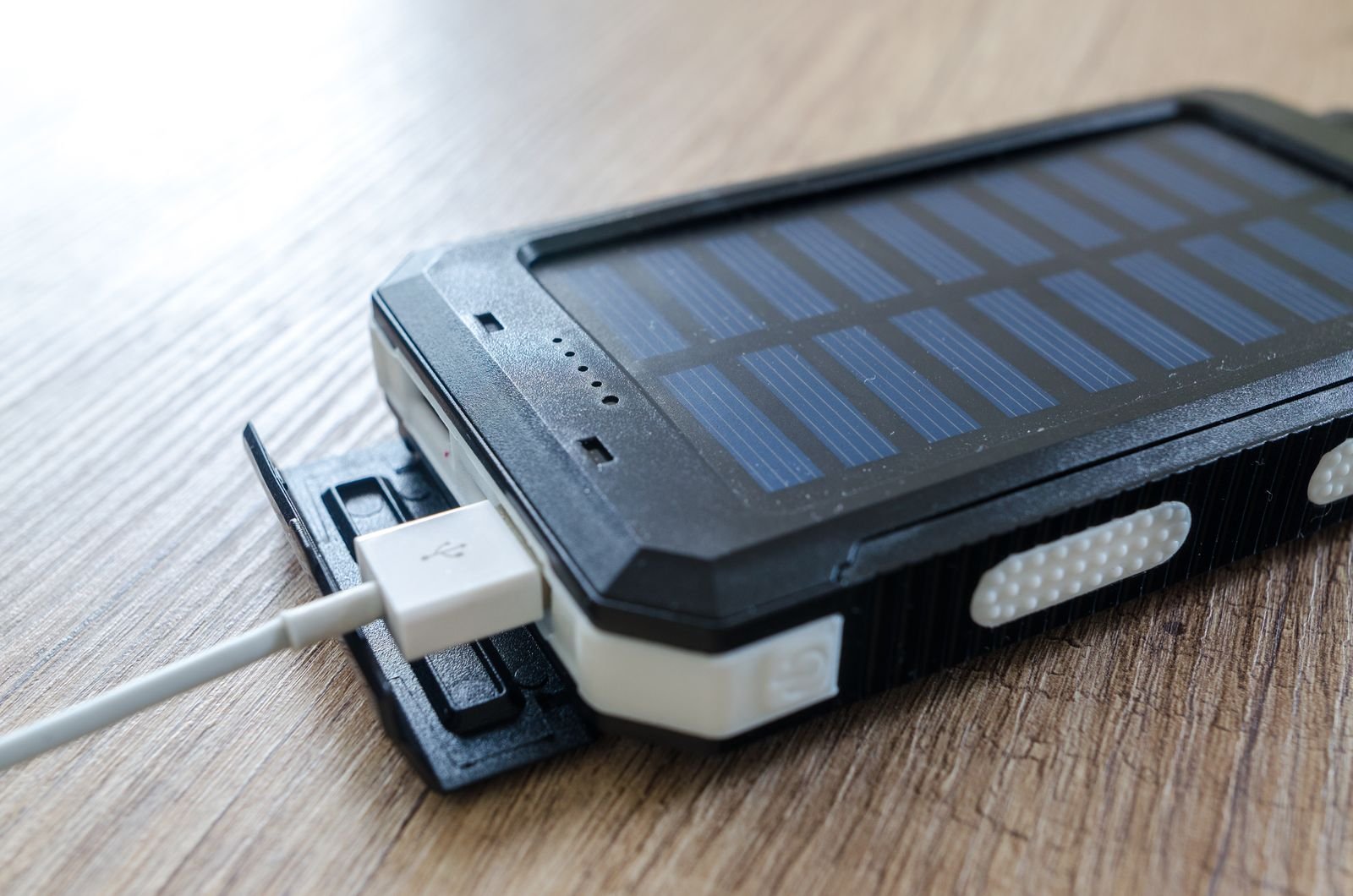
Yes, you can store solar energy, but solar panels store none of it. Panels turn sunlight into electricity the moment it hits them. To use that power later, you need a battery (a typical home unit holds about 13.5 kWh), a net metering credit from your utility, or a way to store it as heat.

Quick answer
- Do panels store energy? No. They make electricity only while light hits them.
- Best true storage: a home battery. About $15,600 installed for 13.5 kWh (EnergySage, 2026).
- Cheapest “storage”: net metering or net billing, where the grid acts like a bank for your extra power.
- Low-cost extra: heat water or pre-cool your home while the sun is up.
- Who needs a battery most: homes with frequent outages or weak export credits, like California under NEM 3.0.
Do solar panels store energy?
No. A solar panel is a converter, not a container. Light knocks electrons loose in the silicon cells, and that current flows out right away. There is no tank or cell inside the panel that holds charge.
That is why output drops the second a cloud passes, and why it falls to zero after sunset. If you want power at 9 p.m., it has to come from somewhere else. We cover that in detail in do solar panels work at night?
So the real question is not whether panels store energy. It is where your extra midday power goes, and how you get it back later.
Can you store solar energy at home?
Yes. Homeowners have three main options. Only one of them stores actual electricity.
- A battery stores electricity as chemical energy. You can use it at night or during a blackout.
- Net metering or net billing sends extra power to the grid. Your utility gives you a credit you use later. Nothing is stored in your home.
- Thermal storage turns extra power into heat or cold. A hot water tank is the most common example.
Most grid-tied homes use option 2 by default. Batteries are the add-on. Thermal storage and smart timing are the cheap tricks that squeeze more value from the same panels.
How do solar batteries store energy?
A home battery is a box of lithium cells plus a control system. During the day, extra solar power charges the cells. At night, the battery sends power back through an inverter to your outlets. Most new home batteries use lithium iron phosphate (LFP) chemistry, which lasts thousands of cycles. Our solar batteries guide compares the main types.
Here is the cost math with the 2026 EnergySage average:
- $15,600 ÷ 13.5 kWh = about $1,156 per kWh of storage, installed
- The average US home uses about 865 kWh a month (EIA, 2024). 865 ÷ 30 = about 29 kWh a day
- 13.5 kWh ÷ 29 kWh = about 47% of a day’s use, or most of an evening and night if you skip big loads
Backing up a whole home, with central AC and an electric range, often takes two or three batteries. That pushes the price toward $34,000. See how many solar batteries to run a house for sizing, and Tesla Powerwall cost for the most popular model.
Can you store solar energy without batteries?
Yes, in a practical sense. Net metering banks extra power as a bill credit, a water heater or pre-cooled home stores it as heat or cold, and load shifting moves big loads into sunny hours. None of these keep your lights on in a blackout; only a battery does. See all 5 ways in our guide to storing solar energy without batteries.
How much does it cost to store solar energy?
Costs range from zero to tens of thousands of dollars. Here is how the main options compare.
| Method | Typical upfront cost | Stores real electricity? | Works in a blackout? |
|---|---|---|---|
| Net metering / net billing | $0 (utility program) | No (bill credit) | No |
| Load shifting (timers, smart thermostat) | $0–$300 | No | No |
| Water heater as thermal storage | $0–$300 for a timer or controller; more for a heat pump water heater | No (stores heat) | No |
| One home battery (13.5 kWh) | About $15,600 installed | Yes | Yes, if set up for backup |
| Whole-home battery backup | About $34,000 | Yes | Yes |
Note that the 30% federal tax credit for home solar and batteries (Section 25D) ended for systems placed in service after December 31, 2025. Some states and utilities still offer battery incentives. See solar rebates and tax credits for what’s left.
Is it worth storing solar energy?
It depends on two things: how your utility pays for exports, and how much you value backup power.
Here is a simple payback check. Say a battery lets you use 10 kWh a day of solar at night instead of exporting it.
- With full net metering, you’d get 18.2¢ for that power either way. Extra value from the battery: about $0 a year.
- With net billing paying 5¢ for exports: 18.2¢ − 5¢ = 13.2¢ saved per kWh. 10 kWh × 365 days × $0.132 = about $482 a year.
- $15,600 ÷ $482 = about 32 years to pay back on bill savings alone.
That is longer than the battery will likely last. So for most homes, a battery is about backup and peace of mind, not pure savings. It pays off faster where electricity is expensive, where time-of-use rates spike in the evening, or where state incentives help. California is a good example; see solar panels in California.
Your numbers will differ. Rates, export credits and usage change the result a lot, so run your own figures before you buy.
How long can stored solar energy last?
A lithium home battery holds its charge well for days. It loses only a small amount each day to self-discharge and to running its own electronics. In practice, most batteries cycle daily: charge by afternoon, drain overnight.
Net metering credits last longer. Many utilities roll them over month to month and settle up once a year. Hot water stays useful for most of a day in a well-insulated tank, then slowly cools.
Frequently asked questions
Where does solar energy go if it isn’t stored?
It powers your home first. Any extra flows to the grid through your meter. If you have no grid connection and no battery, the inverter simply cuts production back, and that energy is lost.
Can I add a battery to my existing solar system?
Usually, yes. AC-coupled batteries connect alongside your current inverter. Expect a permit and a licensed electrician, and check that your panel warranty and utility agreement allow it.
Do solar panels have batteries inside them?
Rooftop panels do not. Some small products, like solar garden lights or solar generators, pair a small panel with a built-in battery. The battery does the storing, not the panel.
How much solar energy can a home battery store?
Most home batteries hold 10–15 kWh each. Many can be stacked. Two 13.5 kWh units give 27 kWh, close to the average home’s daily use of about 29 kWh.
Sources
- US Department of Energy: Solar Energy Storage Basics
- EIA: Residential electricity use and bills by state (2024 data)
- DSIRE: Database of State Incentives for Renewables & Efficiency
Last updated: October 2026. Costs and export rates change often; check with your utility and installer. This article is for information only and is not financial advice.



Leave a Reply


- Trending
- Latest
- Comments
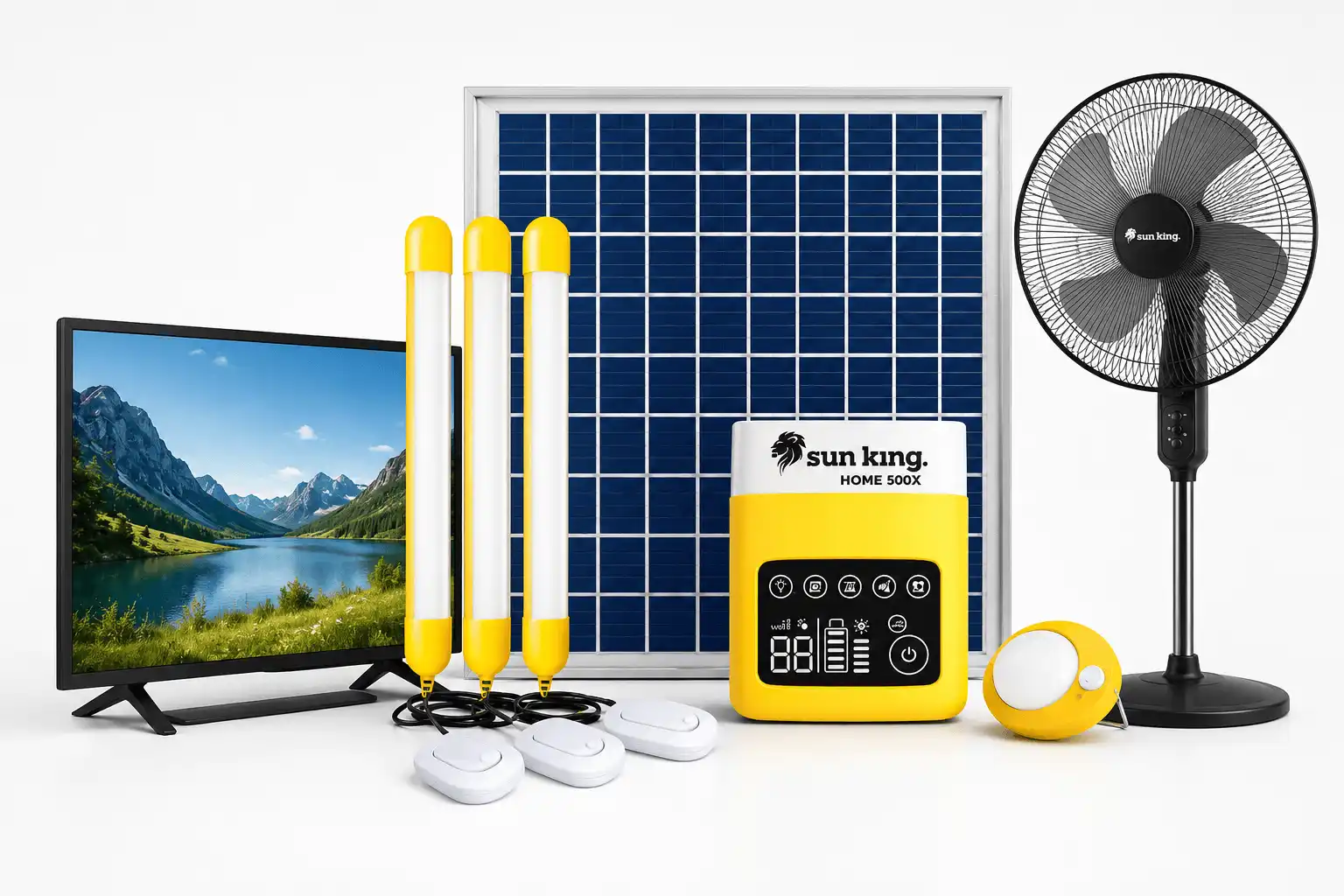

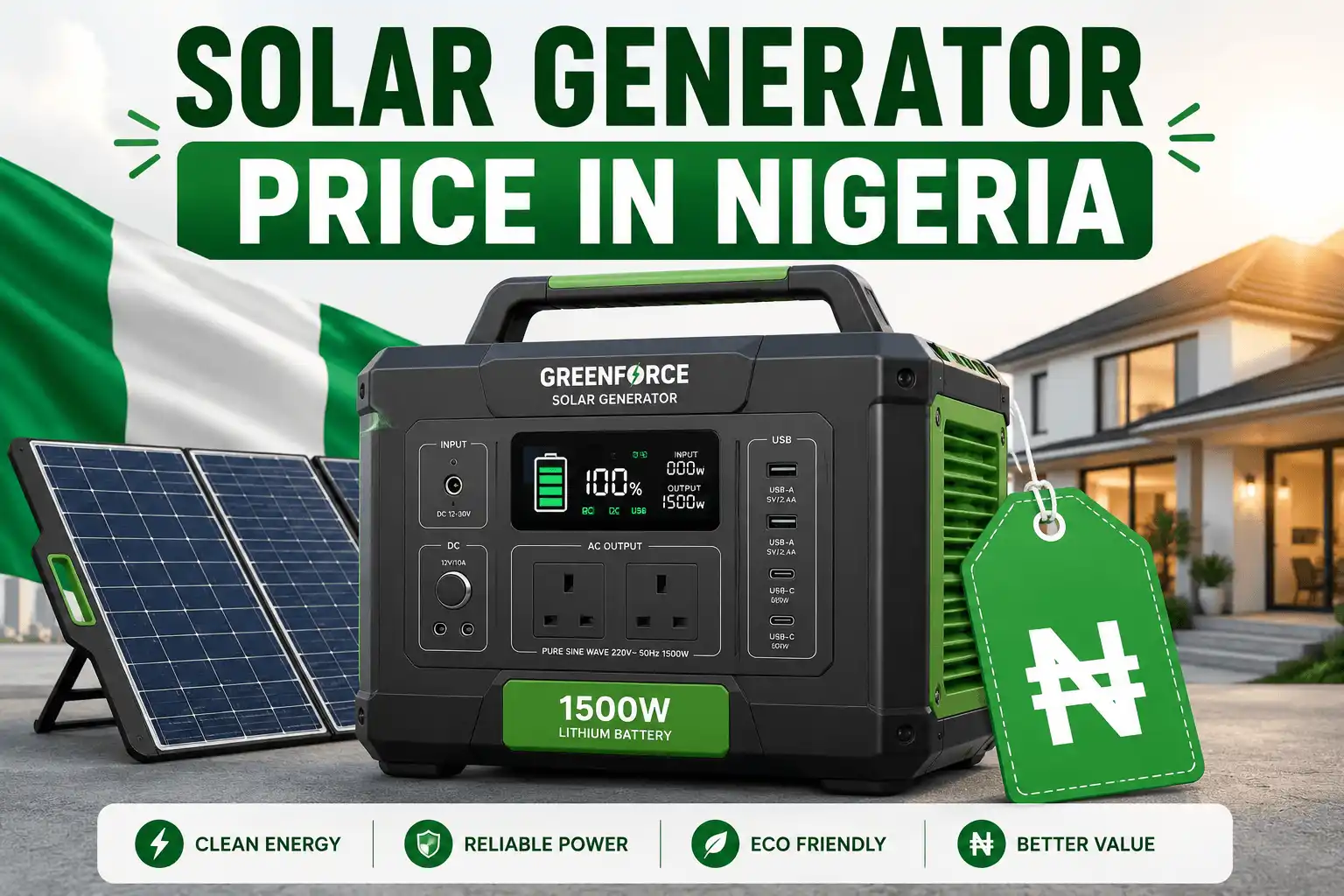






Solar Energy Supply Stores provides current solar prices in Nigeria, expert product reviews, comparisons, and practical buying guides for solar panels, inverters, batteries, generators, and complete solar systems nationwide.
Comments 3