No products in the cart.


How Long Do Solar Panels Last? Lifespan, Degradation & Warranties
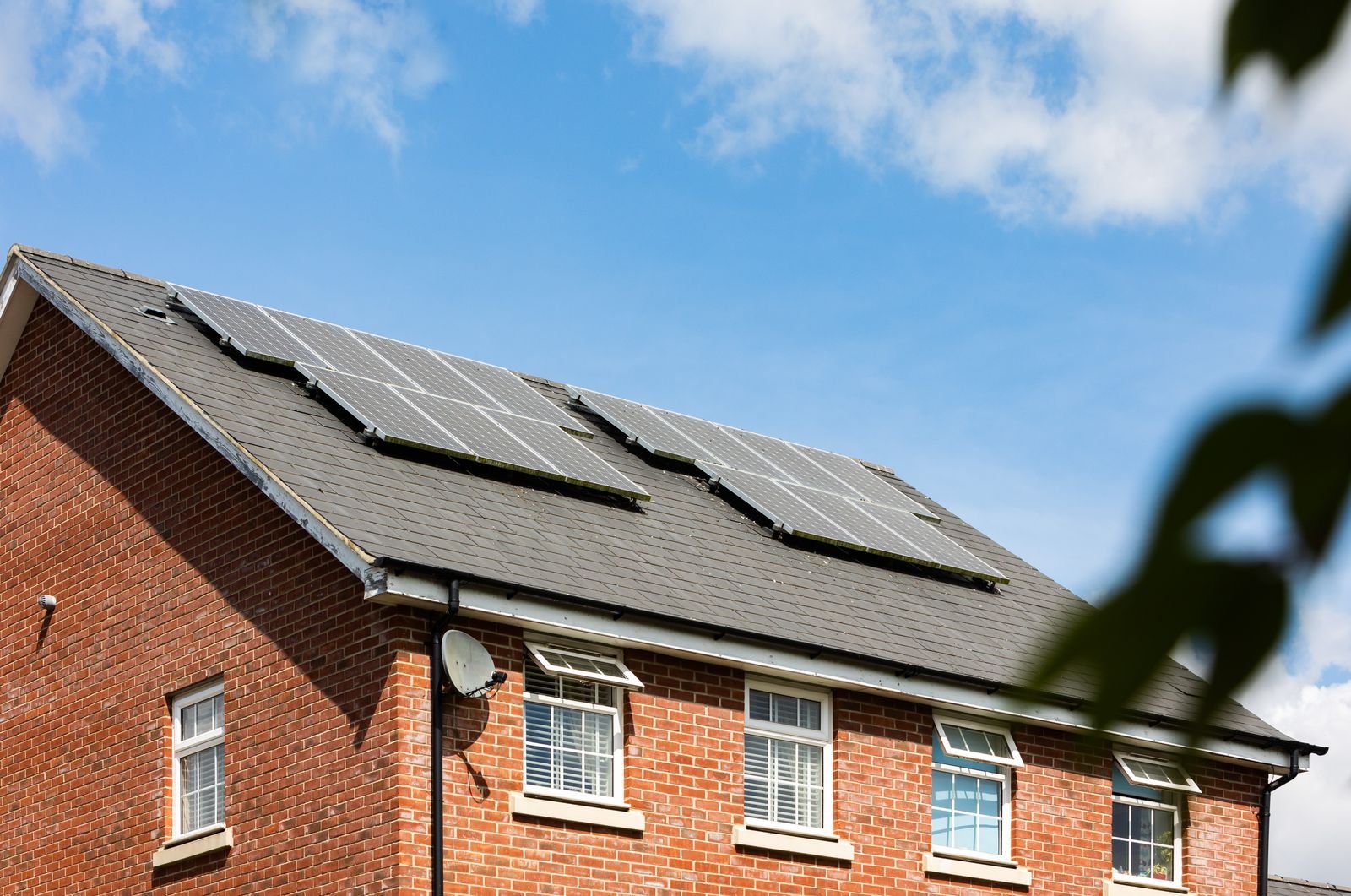
Most solar panels last 25 to 30 years or more. They don’t stop working at that point. They slowly lose output, about 0.5% a year on average according to NREL research, so a typical panel still makes roughly 88% of its original power after 25 years.

The parts around the panels wear out sooner. String inverters often last 10–15 years, and home batteries usually carry 10-year warranties. Below we show the degradation math, what each warranty covers, the signs of a failing system, and what happens at the end of a panel’s life.
Quick answer
- Panel lifespan: 25–30+ years of useful output.
- Degradation: about 0.5% per year (NREL median); premium panels are often warranted at 0.25%–0.4%.
- After 25 years: about 88% of original output at 0.5% a year.
- Inverters: 10–15 years for string inverters; microinverters often carry 25-year warranties.
- Batteries: about 10 years, usually warranted to about 60%–70% of original capacity.
How long do solar panels last?
Solar panels have no moving parts. The tempered glass, aluminum frame and sealed cells are built to sit in the sun for decades. Most makers back them with a 25- to 30-year performance warranty, and many panels keep working well past that.
“Lifespan” is a fuzzy word for panels. A panel rarely dies on a set date. Instead, its output drifts down a little each year. Most owners treat the end of useful life as the point where output no longer justifies the roof space. For most systems, that is somewhere past year 25 to 30. If you are still weighing the purchase, our solar panel cost guide shows what that long-lived asset costs up front in 2026.
How much do solar panels degrade each year?
NREL’s widely cited review of nearly 2,000 measured degradation rates found a median loss of about 0.5% per year. Panels in hot climates and on rooftops tend to degrade a bit faster than that. Newer premium panels are often warranted to lose only 0.25%–0.4% a year.
The math is simple. Multiply the starting output by (1 − rate) once for each year. Here is a 7 kW system in an average US location:
- Year-one output: 7 kW × 1,350 kWh = 9,450 kWh.
- Remaining after 25 years at 0.5%: 0.99525 ≈ 0.882, or 88.2%.
- Output in year 25: 9,450 kWh × 0.882 ≈ 8,335 kWh.
- Loss: 9,450 − 8,335 = 1,115 kWh a year, or about 12%.
| Yearly degradation rate | After 10 years | After 20 years | After 25 years | After 30 years |
|---|---|---|---|---|
| 0.25% (premium panels) | 97.5% | 95.1% | 93.9% | 92.8% |
| 0.5% (NREL median) | 95.1% | 90.5% | 88.2% | 86.0% |
| 0.8% (hot climate or older panels) | 92.3% | 85.2% | 81.8% | 78.6% |
Many warranties also allow a larger drop in year one, often 1%–2%, as the cells settle in under sunlight. After that, they cover a steady yearly rate.
What do solar panel warranties cover?
Most systems come with several separate warranties. Read each one before you sign.
| Warranty | What it covers | Typical term |
|---|---|---|
| Product (materials and workmanship) | Defects such as failed junction boxes, delamination, or frame and glass flaws | 12–25 years; premium brands often 25 |
| Performance (power output) | A minimum output level over time | 25–30 years, often about 80%–92% at the end |
| Inverter | The inverter hardware | 10–12 years for string inverters; up to 25 for microinverters and optimizers |
| Installer workmanship | Roof leaks, wiring and labor from the install | Often 1–10 years; some installers offer 25 |
| Battery | Capacity loss and defects | Usually 10 years, to about 60%–70% capacity |
Two tips. First, a warranty is only as good as the company behind it. Brands that leave the US market can leave owners with weak coverage. Our list of solar panel manufacturers in the USA can help you find makers with a local presence. Second, ask whether the warranty pays for labor to remove and replace a failed panel. Many product warranties cover only the part.
How long do solar inverters last?
The inverter is usually the first major part to fail. It turns DC power from the panels into AC power for your home, and it works hard every sunny day.
- String inverters: about 10–15 years. Most carry 10–12 year warranties, so many owners replace one once over the panels’ life.
- Microinverters: each panel gets its own small inverter. Leading models carry 25-year warranties, matching the panels.
- Power optimizers: often 25-year warranties, paired with a central inverter that has its own shorter warranty (often 12 years, extendable).
If you have a string inverter, budget for one replacement. Our microinverters vs string inverters comparison explains the trade-offs, including warranty length.
How long do solar batteries last?
Most home lithium batteries carry 10-year warranties. They usually guarantee about 60%–70% of original capacity at the end of that term, or a set amount of energy throughput, whichever comes first. Lithium iron phosphate (LFP) cells, now common in home batteries, are often rated for 4,000 to 6,000 or more full cycles.
Example: a 13.5 kWh battery warranted to 70% should still hold at least 13.5 kWh × 0.70 = 9.45 kWh after 10 years. Our solar batteries guide compares chemistries, costs and warranties.
What are the signs your solar panels are failing?
A slow drop of about 0.5% a year is normal. A sudden drop is not. Watch for these signs:
- Output falls more than 10% from the same month last year, with similar weather.
- One panel or string shows much lower output than the rest in your monitoring app.
- Visible damage: cracked glass, browning, bubbles, burn marks or “snail trail” lines on the cells.
- Inverter error lights or codes, or an inverter that shuts off on hot afternoons.
- Loose or chewed wiring, often from squirrels or birds nesting under the array.
Dirt and new shade can look like failure. Our guide on how to clean solar panels may help you win back lost output safely.
Safety note: Rooftop panels make high-voltage DC power whenever light hits them, even during a grid outage. Don’t open junction boxes, connectors or inverters yourself. Call your installer or a licensed electrician, and follow the National Electrical Code (NEC) and your local permit rules for any repair.
What happens to solar panels at the end of their life?
Most of a panel’s weight is glass and aluminum, which can be recycled. Specialty recyclers can also recover silicon, silver and copper. Here is how to handle old panels:
- Reuse first. A panel at 80% output can still power a shed, cabin or off-grid project.
- Use a specialty recycler. Ask your installer. Many take old panels when they repower a system.
- Check your state’s rules. The EPA notes that some panels can test as hazardous waste because of metals such as lead or cadmium. California manages them as universal waste, and Washington has a manufacturer take-back law.
- Expect a fee. Recycling usually costs more than landfill disposal, so get a quote before removal.
How can you make solar panels last longer?
- Choose panels with a 25-year product warranty and a low warranted degradation rate.
- Hire an established installer with a strong workmanship warranty.
- Trim trees that drop branches, and keep heavy debris off the array.
- Check your monitoring app monthly so you catch problems early.
- Book a professional inspection after hail or major storms.
Frequently asked questions
Do solar panels stop working after 25 years?
No. Twenty-five years is usually the length of the performance warranty. At 0.5% loss a year, a panel still makes about 88% of its rated output in year 25, and it keeps going after that.
Do solar panels last longer in cold climates?
Often a little. Heat speeds up degradation, so panels in hot, sunny places may lose output slightly faster. They also make more power there, so the trade-off is usually worth it.
Should I replace old solar panels with new ones?
Only if they are damaged or far below rated output. Newer panels make more power per square foot, but replacing working panels rarely pays for itself.
How does payback compare with a panel’s lifespan?
At US averages, a cash-bought system pays for itself in about 10–11 years. That leaves 15 or more years of low-cost power. See is solar energy expensive? for the full math.
Sources
- NREL: Photovoltaic Degradation Rates, an Analytical Review
- NREL: Lifetime of PV Panels
- US EPA: End-of-Life Solar Panels, Regulations and Management
Last updated: October 2026. Degradation and warranty figures are typical ranges; check your own equipment’s warranty documents. This article is for information only and is not financial or electrical advice.



Leave a Reply


- Trending
- Latest
- Comments






Solar Energy Supply Stores provides current solar prices in Nigeria, expert product reviews, comparisons, and practical buying guides for solar panels, inverters, batteries, generators, and complete solar systems nationwide.