No products in the cart.


How to Go Solar in 2026: 8 Steps From Quote to Switch-On
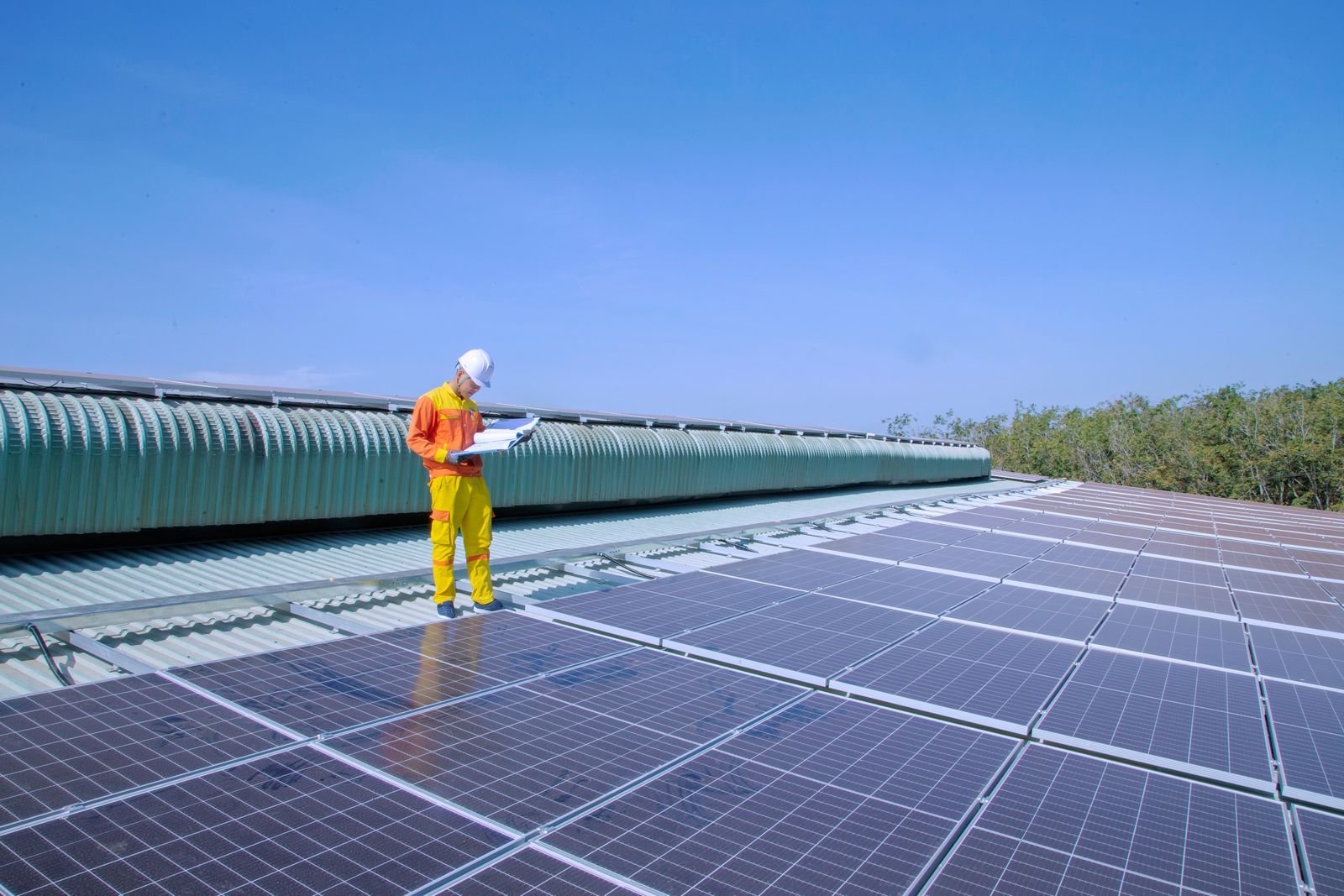
Going solar takes 8 steps and usually about 2–4 months from first quote to switch-on. The installation itself often takes just 1–3 days. Most of the wait is for permits, inspections and your utility’s approval, so the sooner you start the paperwork, the sooner your panels start saving.

Quick answer
- Timeline: about 2–4 months total; 1–3 days of actual install work.
- Start with: 12 months of electric bills and an honest look at your roof’s age.
- Size: yearly kWh ÷ about 1,350 kWh per kW = system size in kW.
- Compare quotes: get at least 3 and compare cost per watt, not the total price.
- Don’t switch on early: wait for the utility’s permission to operate (PTO) letter.
How long does it take to go solar?
Here’s a realistic timeline. Some steps overlap, and permit and utility times vary a lot by city.
| Step | Typical time | Who does it |
|---|---|---|
| 1. Check roof and bills | 1–2 days | You |
| 2. Size the system | 1 day | You, then the installer |
| 3. Get 3 quotes | 1–3 weeks | Installers |
| 4. Compare and sign | 1–2 weeks | You |
| 5. Arrange financing | 1–4 weeks (overlaps step 4) | You and lender |
| 6. Site survey, permits and interconnection | 2–8 weeks | Installer, city, utility |
| 7. Installation | 1–3 days | Installer |
| 8. Inspection and permission to operate | 1–4 weeks | City inspector, utility |
| Total | About 2–4 months |
Step 1: Is my roof and electric bill right for solar?
Start with two quick checks.
- Your roof. Panels last 25 years or more. If your roof has less than about 10 years left, replace it first. Removing and reinstalling panels later can cost thousands. South-, west- or east-facing sections with little shade work best.
- Your bills. Download 12 months of usage in kWh from your utility’s website. Note your rate per kWh and any fixed monthly fees. The 2026 US average is 18.2¢/kWh (EIA). The higher your rate, the faster solar pays back.
Also check your utility’s export rules. Some pay full retail for extra power; others pay much less. Our guide to net metering shows how it works in each state.
Step 2: What size solar system do I need?
Divide your yearly use by how much each kW of panels makes in a year. The US average is about 1,350 kWh per kW (about 1,100 in the Northeast and 1,700 in the Southwest).
- Yearly use: 900 kWh a month × 12 = 10,800 kWh.
- System size: 10,800 kWh ÷ 1,350 kWh per kW = 8 kW.
- Panels: 8,000 W ÷ 400 W = 20 panels.
- Roof space: 20 × about 21 sq ft = about 420 sq ft.
Use our solar power calculator to run your own numbers. If your utility pays little for exports, you may want a smaller system sized to daytime use, or a battery.
Step 3: How many solar quotes should I get?
Get at least three. Prices for the same house often differ by thousands of dollars. Mix a local installer, a regional company and, if you like, an online quote marketplace. Ask each one for:
- System size in kW and the yearly production estimate in kWh.
- Panel and inverter brands and models.
- The cash price, even if you plan to finance.
- Warranty terms for panels, inverter and workmanship.
- Proof of license and insurance, and who handles permits and the utility paperwork.
Watch for quotes that still subtract a 30% federal tax credit. The homeowner credit ended for systems placed in service after December 31, 2025. See solar rebates and tax credits in 2026 for what’s left.
Step 4: How do I compare solar quotes?
Compare cost per watt. It puts different system sizes on equal footing.
| Quote | Size | Cash price | Math | Cost per watt |
|---|---|---|---|---|
| A | 8.0 kW | $20,800 | $20,800 ÷ 8,000 W | $2.60 |
| B | 7.2 kW | $20,880 | $20,880 ÷ 7,200 W | $2.90 |
| C | 8.4 kW | $20,580 | $20,580 ÷ 8,400 W | $2.45 |
Quotes A and B cost almost the same, but B gives you 10% less system for the money. Then check the production estimate per kW, since a cheaper system on a shaded roof can make less power. For typical 2026 prices by system size and state, see our solar panel cost guide. If quotes use different inverter types, our microinverters vs string inverters guide explains the trade-offs.
Step 5: How should I pay for solar?
Your main options are cash, a loan, a lease or a PPA. Cash saves the most over time. A fee-free loan comes next. Leases and PPAs cost little up front but save less, and the company owns the panels. Watch for hidden dealer fees in low-rate installer loans. Our solar loans guide compares rates, terms and fees.
Step 6: What permits do I need for solar panels?
After you sign, the installer usually handles this step. Expect:
- Site survey: a visit to measure the roof, check rafters and look at your main electrical panel.
- Final design: an engineered layout and wiring plan.
- Building and electrical permits: from your city or county. Some places now offer instant online permits for standard systems.
- Interconnection application: to your utility, asking to connect to the grid and join its net metering or net billing plan.
- HOA approval, if needed: many states limit HOA solar bans, but you may still need to submit plans.
If your main panel is old or too small, you may need an upgrade first. That can add cost and a few weeks.
Step 7: What happens on installation day?
A crew typically finishes a home system in 1–3 days. They attach mounts to the rafters, seal each one, set the rails and panels, run wiring to the inverter, and connect to your electrical panel. Larger systems, tile roofs and batteries take longer. You’ll usually need to be home for part of the day and keep the driveway clear.
Safety note: grid-tied solar connects to your home’s 120/240V panel. This work should be done by a licensed electrician or licensed solar installer, under permit, and must follow the National Electrical Code (NEC) and local rules. If you’re curious about doing parts yourself, start with our DIY solar guide.
Step 8: What is permission to operate (PTO)?
Two final approvals come after the install.
- Local inspection. A city or county inspector checks the mounting and wiring against the permit.
- Utility approval. The utility may swap or reprogram your meter, then sends permission to operate.
Only switch the system on after you have PTO in writing. Turning it on early can break your utility agreement and may not earn credits. Once you’re live, set up the monitoring app and check that the first month’s output roughly matches the estimate: an 8 kW system should make about 900 kWh in an average month (8 kW × 1,350 kWh ÷ 12), with less in winter and more in summer.
Should I add a battery when I go solar?
Only if you need backup power or your utility pays little for exports. A 13.5 kWh battery costs about $15,600 installed (EnergySage, July 2026). Adding it during the first install saves a second round of permits. Our solar batteries guide covers when it pays off.
Frequently asked questions
Can I go solar if I rent?
Not on the roof without the owner’s OK. Renters can look at community solar programs, where available, or small portable setups.
What slows down going solar the most?
Permits and utility approval. A busy permit office, an HOA review, or a main panel upgrade can each add weeks.
Do I need to replace my roof before going solar?
If it has less than about 10 years left, it’s usually cheaper to replace it first than to remove and reinstall panels later.
Can I cancel a solar contract?
Federal rules generally give you 3 business days to cancel a contract signed at home, and some states give more. Read your contract’s cancellation terms before signing.
Sources
- US Department of Energy: Homeowner’s Guide to Going Solar
- NREL PVWatts Calculator
- EnergySage: How much do solar panels cost?
- DSIRE: State and utility incentive database
Last updated: October 2026. Timelines and costs vary by location, utility and installer. This article is for information only and is not financial or electrical advice.



Leave a Reply


- Trending
- Latest
- Comments
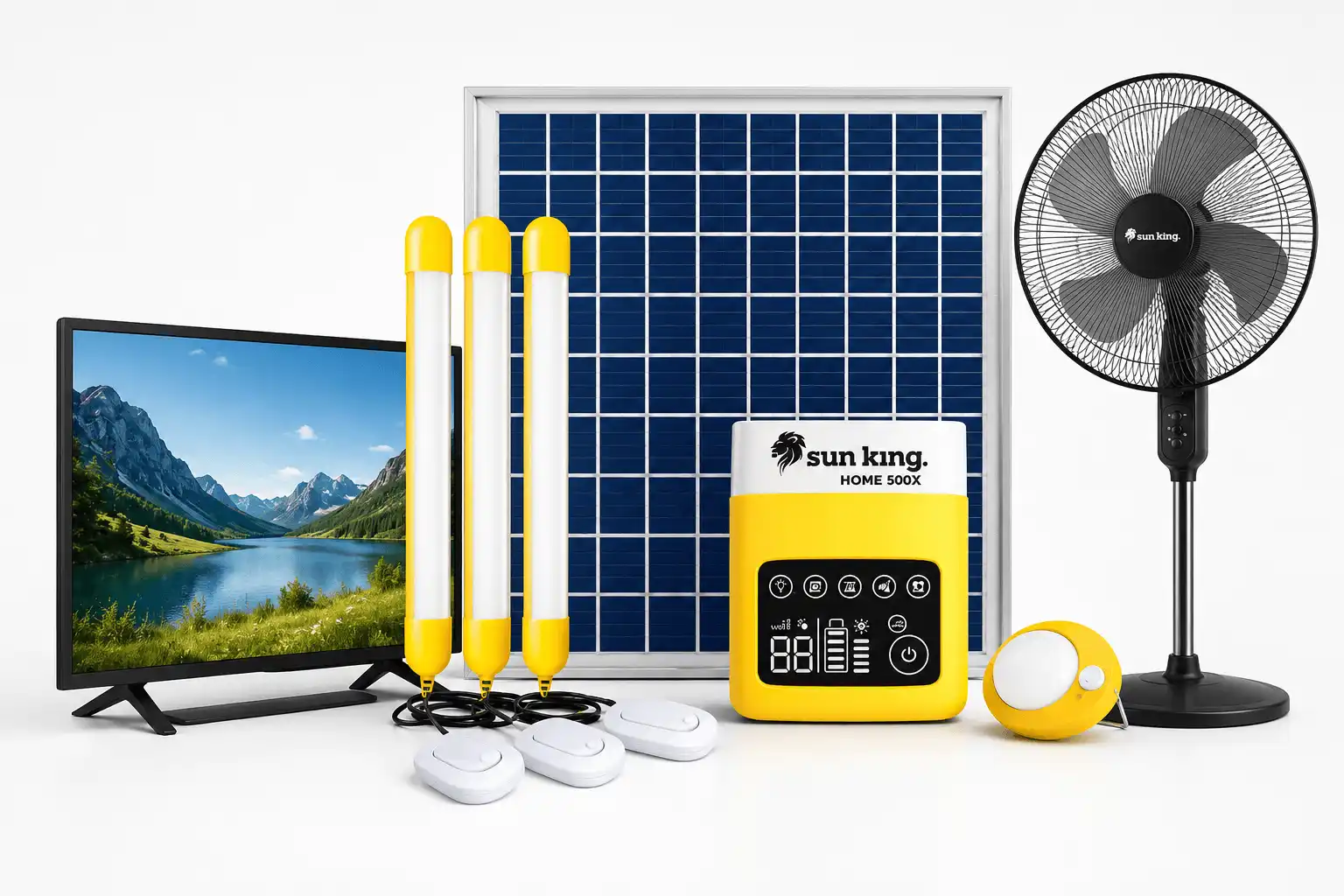








Solar Energy Supply Stores provides current solar prices in Nigeria, expert product reviews, comparisons, and practical buying guides for solar panels, inverters, batteries, generators, and complete solar systems nationwide.