No products in the cart.


Solar Panels in California (2026): Cost, Rebates & NEM 3.0
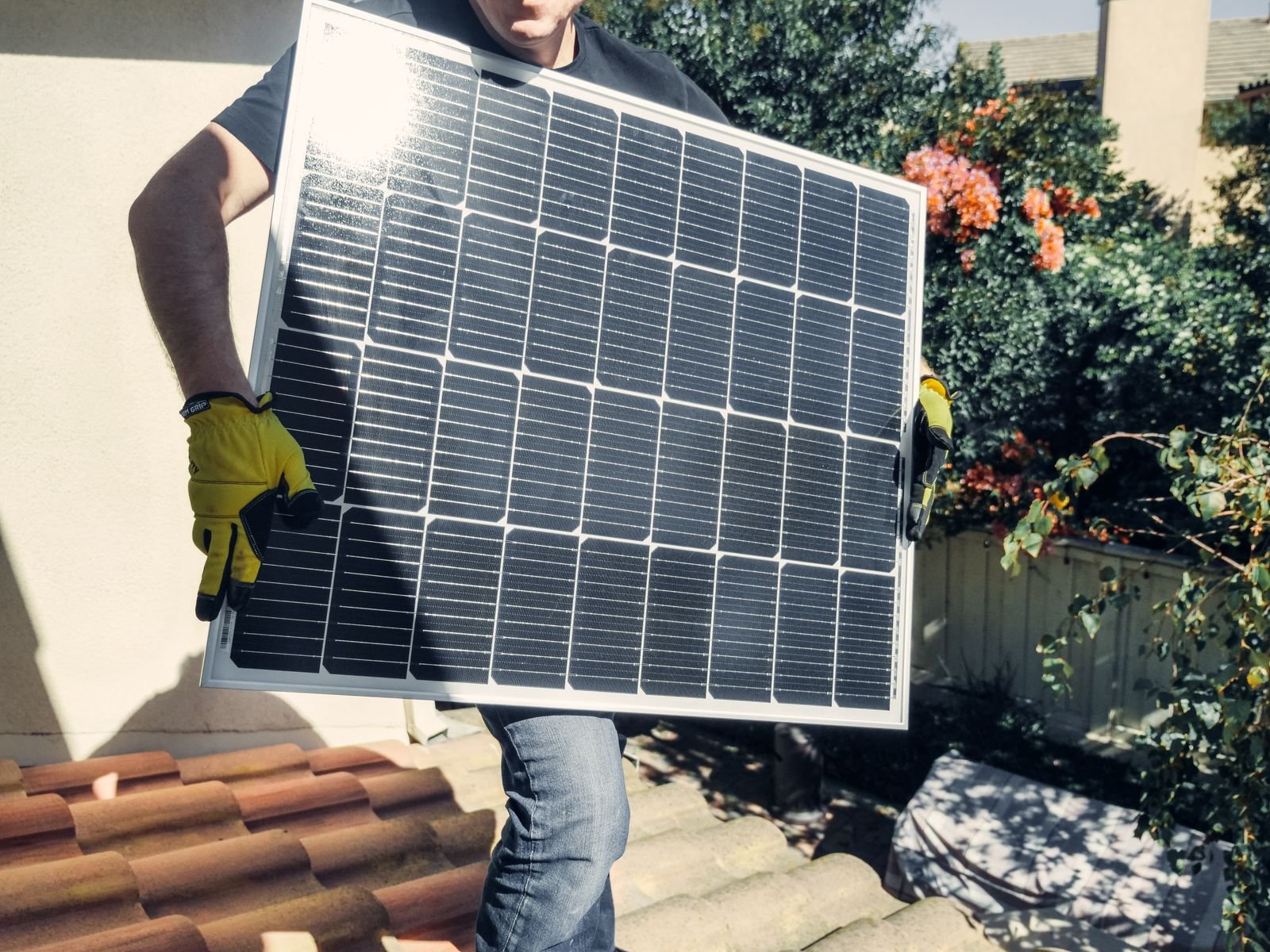
Solar panels in California cost about $2.52 per watt installed in 2026, or roughly $17,600 for a 7 kW system (EnergySage, October 2026). There’s no federal credit for new installs, and NEM 3.0 pays only about a quarter of retail for power you export. Two deadlines matter: systems finished before January 1, 2027 keep the property tax exclusion and lock current export rates.

Quick answer
- Cost: About $2.52/W, so a 7 kW system runs about $17,640 before incentives.
- NEM 3.0: PG&E, SCE and SDG&E credit exports at hourly “avoided cost” values, averaging about 25% of retail.
- Batteries: Storing solar for the evening is now the main way to get full value from it.
- SGIP: Battery rebates now go mainly to low-income and high-fire-risk households, and funds are largely waitlisted.
- Deadline: The solar property tax exclusion covers only systems completed before Jan 1, 2027.
How much do solar panels cost in California?
EnergySage lists California’s average at about $2.52 per watt (October 2026). Its typical California system is 8.42 kW, at $18,020–$24,380 (average $21,200).
| System size | Math | Estimated cost | Yearly output (about 1,600 kWh/kW) |
|---|---|---|---|
| 4 kW | 4,000 W × $2.52 | $10,080 | 6,400 kWh |
| 6 kW | 6,000 W × $2.52 | $15,120 | 9,600 kWh |
| 7 kW | 7,000 W × $2.52 | $17,640 | 11,200 kWh |
| 8.42 kW | 8,420 W × $2.52 | $21,218 | 13,472 kWh |
Compare these with national figures in our solar panel cost guide.
What California solar rebates are available in 2026?
California has no general statewide cash rebate for solar panels. The federal 30% credit also ended for systems placed in service after December 31, 2025 (see solar rebates and tax credits in 2026). Here’s what remains:
| Program | What you get | Who qualifies |
|---|---|---|
| Property tax exclusion | Solar doesn’t raise your assessed value | Systems completed before Jan 1, 2027 |
| SGIP (batteries) | Rebate per Wh of storage | Mainly low-income, disadvantaged-community and high-fire-risk customers |
| DAC-SASH | About $3/W for 1–5 kW systems | Income-qualified homeowners in disadvantaged communities (PG&E, SCE, SDG&E) |
| NEM 3.0 export adders | Extra ¢/kWh on exports, locked 9 years | PG&E and SCE residential customers (not SDG&E) |
| Local utility programs | Varies | Check your city utility (for example, SMUD, LADWP, Alameda) |
The property tax exclusion is easy to overlook. After it ends, EnergySage estimates a new $21,000 system could add about $150–$260 a year in property tax. If you’re close to signing, ask your installer whether they can finish before January 1, 2027.
How does NEM 3.0 change solar savings in California?
Since April 15, 2023, new solar customers of PG&E, SCE and SDG&E go on the Net Billing Tariff, often called NEM 3.0. Under the old rules (NEM 2.0), each kWh you exported earned roughly the retail rate. Now it earns a value set by the CPUC’s Avoided Cost Calculator.
- Export values change by hour, day type and month. Late-summer evenings pay the most; sunny spring middays pay very little.
- On average, exports earn about 25% of retail (EnergySage).
- Your export price schedule is locked for 9 years from when you connect. EnergySage reports that connecting before Jan 1, 2027 locks the current schedule.
- PG&E and SCE add a small adder for 2026 connections: about 0.9¢/kWh (PG&E) and 1.6¢/kWh (SCE), with higher adders for low-income customers. Adders shrink in 2027.
The result: solar you use yourself is worth about 4 times more than solar you export. That’s why system design now focuses on self-use.
Is solar worth it in California under NEM 3.0?
Usually yes, because California power is expensive. Here’s a 7 kW example. We assume you pay 32¢/kWh and exports average 8¢/kWh. Use your own bill’s rate for real numbers.
Solar only
- Yearly output: 7 kW × 1,600 kWh = 11,200 kWh
- Used at home (40%): 4,480 kWh × $0.32 = $1,434
- Exported (60%): 6,720 kWh × $0.08 = $538
- Yearly value: $1,434 + $538 = $1,972
- Payback: $17,640 ÷ $1,972 = about 8.9 years
Solar plus a 13.5 kWh battery
- Total cost: $17,640 + $15,600 = $33,240
- Used at home (80%): 8,960 kWh × $0.32 = $2,867
- Exported (20%): 2,240 kWh × $0.08 = $179
- Yearly value: $2,867 + $179 = $3,046
- Payback: $33,240 ÷ $3,046 = about 10.9 years
| Setup | Cost | Yearly value | Payback | Backup power? |
|---|---|---|---|---|
| 7 kW solar only | $17,640 | $1,972 | 8.9 years | No |
| 7 kW + 13.5 kWh battery | $33,240 | $3,046 | 10.9 years | Yes, for key loads |
On simple payback, solar-only can still win. The battery adds backup and more protection from future rate hikes. If you’re on a time-of-use plan, a battery can also shift power into high-price evening hours, which our simple math doesn’t count.
Why do batteries matter more in California now?
- Low export value: Storing midday solar for 4–9 p.m. use is worth far more than exporting it.
- Power shutoffs: Utilities cut power in high-fire-risk areas during wind events. Grid-tied solar alone shuts off in an outage.
- Rate increases: More self-use means less exposure to future price hikes.
Compare brands and sizes in our Tesla Powerwall cost guide and solar batteries guide. If a battery isn’t in your budget, see how to store solar energy without batteries, such as running your water heater, pool pump or EV charger at midday.
How does the SGIP battery rebate work in 2026?
The Self-Generation Incentive Program (SGIP) pays a rebate per watt-hour of battery storage. It’s run by the CPUC through program administrators.
- General market: The small residential budget paid as little as $0.15/Wh in its last step and is listed by the CPUC as available through 2025.
- Equity Resiliency: Has paid up to $1.00/Wh for vulnerable customers in High Fire-Threat Districts or with two or more shutoff or wildfire events.
- Residential Solar and Storage Equity (RSSE): Opened June 2, 2025 for low-income customers, with $280 million authorized. EnergySage reports most funds are reserved and new applicants are waitlisted.
Budgets open and close often. Check current status and amounts at cpuc.ca.gov/sgip before counting on a rebate.
Frequently asked questions
Can I still get NEM 2.0 in California?
Not as a new PG&E, SCE or SDG&E customer. NEM 2.0 closed to new applicants in April 2023. Existing NEM 2.0 customers keep it for 20 years from their connection date. Some city utilities have their own rules.
Does California have a solar tax credit?
No state income tax credit for home solar exists in 2026. The main state benefit is the property tax exclusion, which ends for systems completed after December 31, 2026.
Should I size my system to cover 100% of my use?
Not always under NEM 3.0. Extra exports earn little, so many installers now size closer to daytime use, or add a battery.
Do I need a battery to go solar in California?
No, it’s optional. Solar-only can still pay back in under 10 years at high rates. A battery adds backup power and more self-use.
Sources
- CPUC: Self-Generation Incentive Program (SGIP)
- Center for Sustainable Energy: SGIP incentive rates
- EnergySage: California solar rebates and incentives
- DSIRE: State and utility incentive database
Last updated: October 2026. NEM 3.0 export values and SGIP budgets change often; confirm with your utility and the CPUC. This article is for information only and is not tax or financial advice.



Leave a Reply


- Trending
- Latest
- Comments








Solar Energy Supply Stores provides current solar prices in Nigeria, expert product reviews, comparisons, and practical buying guides for solar panels, inverters, batteries, generators, and complete solar systems nationwide.
Comments 3