No products in the cart.


Buying a House With Solar Panels (2026): What to Check Before You Close
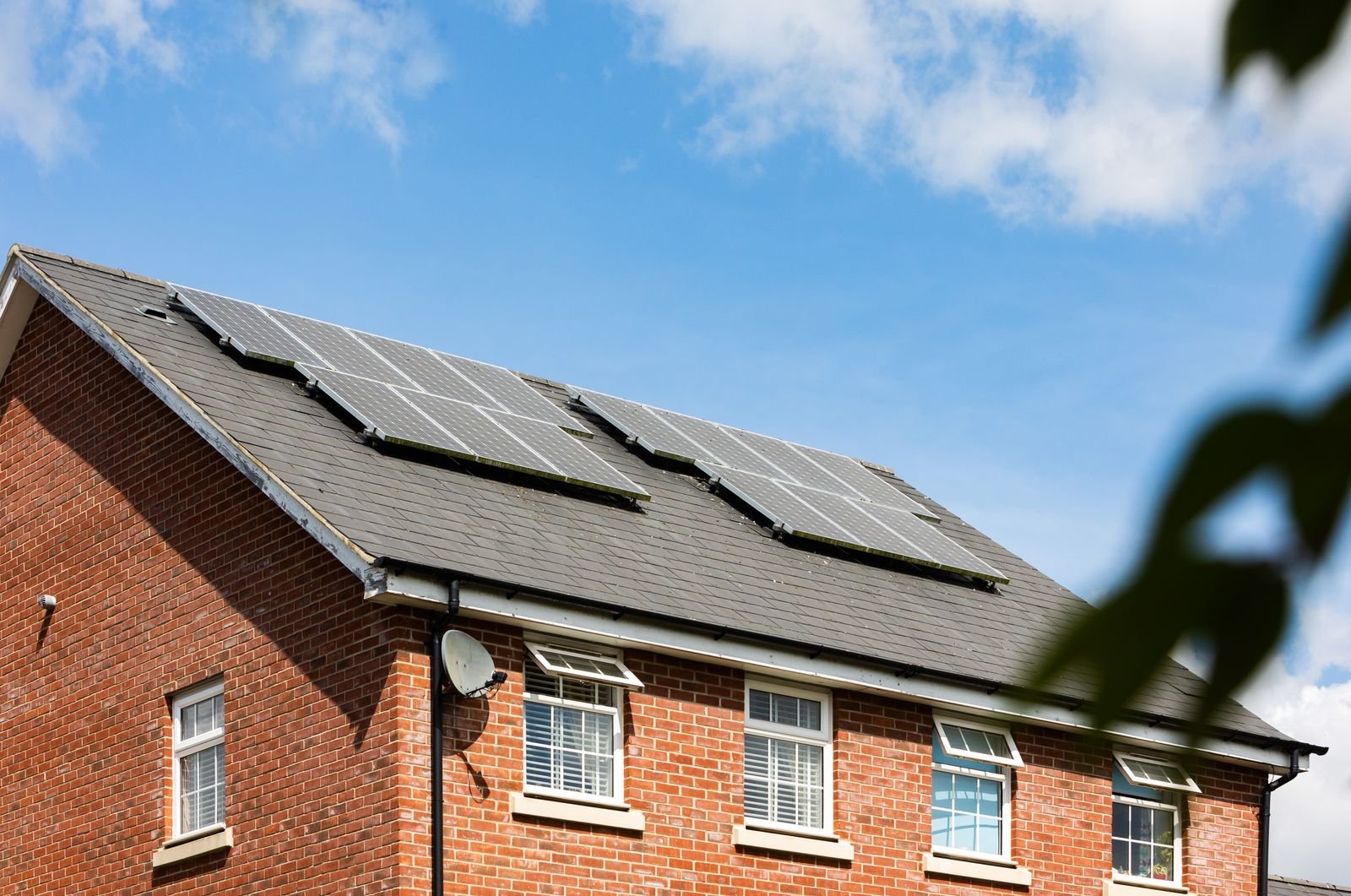
Before you close on a house with solar panels, confirm who owns them, collect at least 6 key documents, and check that the system still produces close to its original estimate (most panels lose only about 0.5% a year). An owned system simply comes with the house. A leased or PPA system means you take over a contract that can run 20–25 years, so treat it like any other monthly bill you’re signing up for.

Quick answer
- First question: Is the system owned outright, owned with a loan, leased, or on a PPA?
- Owned: Ask for the permit sign-off, permission to operate (PTO) letter, warranties and 12 months of production data.
- Loan: The seller should pay it off at closing, and any UCC fixture filing should be released.
- Lease or PPA: You must qualify with the solar company and take over the contract. Start early; transfers can take several weeks.
- After closing: Transfer the utility account, net metering agreement, monitoring app and warranties into your name.
Who owns the solar panels on the house?
This is the single most important question. The listing may just say “solar,” so ask the seller’s agent in writing. There are four common setups.
| Setup | Who owns the panels | What happens at sale | What it means for you |
|---|---|---|---|
| Owned (paid off) | The seller | Panels transfer with the house | Simplest. All savings are yours. |
| Owned with a solar loan | The seller, with a lender’s claim | Loan is paid off at closing, or rarely assumed | Make sure the lien or fixture filing is released. |
| Lease | A solar company | Buyer takes over the lease, or seller buys it out | You pay a fixed monthly fee, often with a yearly increase. |
| PPA (power purchase agreement) | A solar company | Buyer takes over the PPA, or seller buys it out | You pay a set rate for each kWh the panels make. |
If you’re curious how these options compare for someone buying a new system, our guide to solar loans vs leases and PPAs covers that. Here we focus on taking over a system someone else already has.
Is buying a house with leased solar panels a bad idea?
Not always, but you need to run the numbers. A lease only makes sense if the power it gives you is worth more than the payment. Here’s a simple check, using a 7 kW system and the 2026 US average electricity price of 18.2¢/kWh (EIA).
- Original yearly output: 7 kW × 1,350 kWh = 9,450 kWh.
- After 8 years at about 0.5% loss a year: 9,450 × (1 − 0.04) = about 9,070 kWh.
- Value of that power: 9,070 kWh × $0.182 = about $1,650 a year, or $138 a month.
- Compare with the lease payment. At $120 a month, you come out about $18 ahead each month. At $160 a month, you lose about $22.
That math assumes you use or get full credit for every kWh. If your utility pays less for exported power, the panels are worth less to you. Our guide to net metering explains how export credits work in each state.
How do you transfer a solar lease or PPA?
- Get the full contract early. Ask for it before your offer, or make your offer contingent on reviewing it.
- Read the key terms. Monthly payment, yearly escalator (often 0%–3.9%), years left, buyout price, production guarantee, and what happens at the end.
- Apply with the solar company. Most require a credit check and set a minimum score. The seller usually starts the transfer.
- Tell your lender. Your mortgage lender may count a lease payment in your debt-to-income ratio and will need a copy of the contract.
- Sign the assignment before closing. Don’t close until the solar company confirms the transfer in writing.
If you don’t want the lease, you can ask the seller to buy it out or prepay it before closing. That’s a normal thing to negotiate, especially if the payment is high or the escalator is steep.
What documents should you ask for when buying a house with solar?
| Document | Why it matters | Owned | Lease / PPA |
|---|---|---|---|
| Purchase invoice or contract | Shows system size, equipment, install date and price | Yes | Yes (the lease or PPA) |
| Building and electrical permit sign-off | Proves the work passed local inspection | Yes | Yes |
| Permission to operate (PTO) letter | Shows the utility approved the system | Yes | Yes |
| Net metering or interconnection agreement | Shows the export credit plan the system is on | Yes | Yes |
| Panel, inverter and workmanship warranties | Shows what’s still covered and for how long | Yes | Company handles repairs, but confirm |
| 12+ months of production data | Shows whether the system works as designed | Yes | Yes |
| Loan payoff letter and UCC release | Clears any claim on the panels | If financed | No |
| Transfer and buyout terms | Shows your cost to take over or end the contract | No | Yes |
A UCC fixture filing is a public notice that a lender or solar company has a claim on the panels. Many installer loans and leases use one. It can hold up a title search or a refinance, so ask your title company to look for it early.
What should a home inspection check on solar panels?
Many general home inspectors don’t climb onto the roof or test solar equipment. Ask whether yours will, or hire a solar installer or licensed electrician to look at the system. Here is what to cover.
- Roof age and condition. If the roof needs replacing in the next few years, the panels must come off and go back on. That often costs several thousand dollars, so get a quote and negotiate.
- Leaks around mounts. Look in the attic for water stains under the array.
- Panel damage. Cracked glass, burn marks, heavy soiling, or animal nests under the panels.
- Inverter status. Error lights or codes. String inverters often last 10–15 years, so an older one may be due for replacement.
- Wiring and labels. Secure conduit, a labeled disconnect, and rapid shutdown labels on newer systems, as required by the National Electrical Code (NEC).
- Production vs estimate. Compare the last 12 months with the installer’s original estimate. A drop much bigger than 0.5% a year points to a problem.
- Battery, if any. Its age, capacity, warranty, and whether it’s set up for backup. Our solar batteries guide covers what to expect.
For how long each part should last, see how long solar panels last.
Safety note: don’t open the inverter, disconnects or electrical panel yourself. Solar circuits can stay live in daylight even with the main breaker off. Leave hands-on checks to a licensed electrician or solar installer, who will follow the NEC and local permit rules.
Does net metering transfer to a new owner?
Usually yes, but it isn’t automatic. When you open the electric account in your name, the utility may ask you to sign a new interconnection or net metering agreement. Call the utility before closing and ask three questions:
- What do I need to file to keep the solar credits after the sale?
- Does the current export rate stay with the system, or will I move to the rules for new customers?
- What happens to any banked credits the seller has built up?
The second question matters most. In many states, older and better export rates are grandfathered to the system for a set number of years, so a new owner keeps them. California’s NEM 2.0, for example, stays with the system for 20 years from its connection date. Banked credits often belong to the seller’s account, so don’t count on them.
Do solar panel warranties transfer to a new owner?
Most do, but some need paperwork or a fee. Check each warranty separately.
| Warranty | Typical length | Transfer notes |
|---|---|---|
| Panel product | 10–25 years | Usually transfers with the system; some brands ask you to register |
| Panel performance | 25 years (often about 80%–90% of original output) | Usually follows the product warranty |
| String inverter | 10–12 years, some extendable | Often transfers; may need registration |
| Microinverters | Up to 25 years | Often transfers; check the maker’s terms |
| Installer workmanship | Often 10 years, varies widely | May need a transfer form or fee; worthless if the installer has closed |
Ask the seller to add you to the monitoring app and give you the installer’s contact details. If the installer has gone out of business, you can still claim manufacturer warranties, but you’ll need another installer to do the work, and labor may not be covered.
How do solar panels affect the appraisal?
Owned systems can add value, while leased systems usually aren’t counted because the house doesn’t own them. For study data, property tax rules and appraisal tips, see do solar panels increase home value?
What should you negotiate before closing?
- Roof work: a credit for panel removal and reinstall if the roof is near the end of its life.
- Lease buyout: the seller buys out or prepays an unfavorable lease or PPA.
- Repairs: a fix or credit for a failed inverter or underperforming panels.
- Loan payoff: written proof that any solar loan is paid and any filing released.
Not sure what a replacement system would cost? Our solar panel cost guide gives 2026 prices by size, which helps you judge a buyout or repair credit.
Frequently asked questions
Can I refuse to take over a solar lease?
Yes. You can ask the seller to buy out or prepay the lease, or walk away. The seller is bound by the contract, not you, until you sign the transfer.
What if I don’t qualify for the lease transfer?
The seller usually has to buy out the contract or pay it ahead. Raise this early, because it can delay or derail closing.
Can I get the federal solar tax credit on a used system?
No. The homeowner credit only applied to the original buyer’s new install, and it ended for systems placed in service after December 31, 2025. See solar rebates and tax credits for what’s left.
How do I check if the panels still work well?
Ask for 12 months of data from the monitoring app and compare it with the original estimate. A healthy system should be within a few percent, after allowing about 0.5% loss a year.
Sources
- US Department of Energy: Homeowner’s Guide to Solar Financing
- US Department of Energy: Homeowner’s Guide to Going Solar
- EIA: Short-Term Energy Outlook
- DSIRE: State net metering and incentive programs
Last updated: October 2026. Contract terms, utility rules and warranties vary; read your documents and confirm with the solar company, utility and your lender. This article is for information only and is not legal or financial advice.



Leave a Reply


- Trending
- Latest
- Comments







Solar Energy Supply Stores provides current solar prices in Nigeria, expert product reviews, comparisons, and practical buying guides for solar panels, inverters, batteries, generators, and complete solar systems nationwide.
Comments 1