Online Printing, Ordering Process, Artwork Upload, Pricing, Customization & Specialty Printing
Printing remains one of the most powerful tools for business marketing, branding, events, and communication. From business cards and flyers to roll-up banners, custom T-shirts, stickers, packaging labels, and corporate promotional items, printed materials help businesses communicate professionally and reach customers effectively. With the rise of online printing services in Nigeria, businesses and individuals can now place printing orders conveniently from anywhere without visiting a physical print shop. This modern approach saves time, reduces errors, and ensures faster turnaround times. This complete guide explains everything you need to know about professional printing services, including how online printing works, how to place an order, pricing factors, artwork preparation, customization options, specialty printing, and the printing processes used by modern print companies. Whether you are a small business owner, corporate organization, event planner, church, school, or entrepreneur, understanding how printing works will help you get the best results for your projects.
Understanding Professional Printing Services
The Rise of Online Printing in Nigeria
Online printing has transformed the printing industry by allowing customers to order printing services digitally. Instead of visiting a print shop physically, customers can now: Browse printing products online, upload their artwork, customize their designs, select quantities and sizes, make payments online, and receive delivery nationwide. This digital model is especially beneficial for businesses in cities such as Lagos, Abuja, Port Harcourt, Ibadan, Enugu, and Kano. Online printing platforms allow companies to serve customers across Nigeria efficiently.
Benefits of Online Printing Services
Online printing offers several advantages over traditional print ordering. Convenience: Customers can place orders anytime from anywhere using their computer or smartphone. Faster Turnaround Time: Orders are processed quickly because the workflow is automated. Easy Design Upload: Customers can upload artwork files directly through the website. Nationwide Delivery: Orders can be delivered across Nigeria without requiring physical pickup. Transparent Pricing: Online systems show prices instantly based on quantity and specifications. Reduced Errors: Digital proofing ensures designs are reviewed before printing begins. For businesses that require frequent printing, online printing simplifies the entire process.
Types of Printing Services Available
Business Printing Services
Business printing is essential for corporate branding and daily operations. Common business printing materials include: Business cards, Letterheads, Envelopes, Notepads, Jotters, Presentation folders, and corporate reports. These materials help businesses maintain a consistent brand identity.
Marketing and Promotional Printing
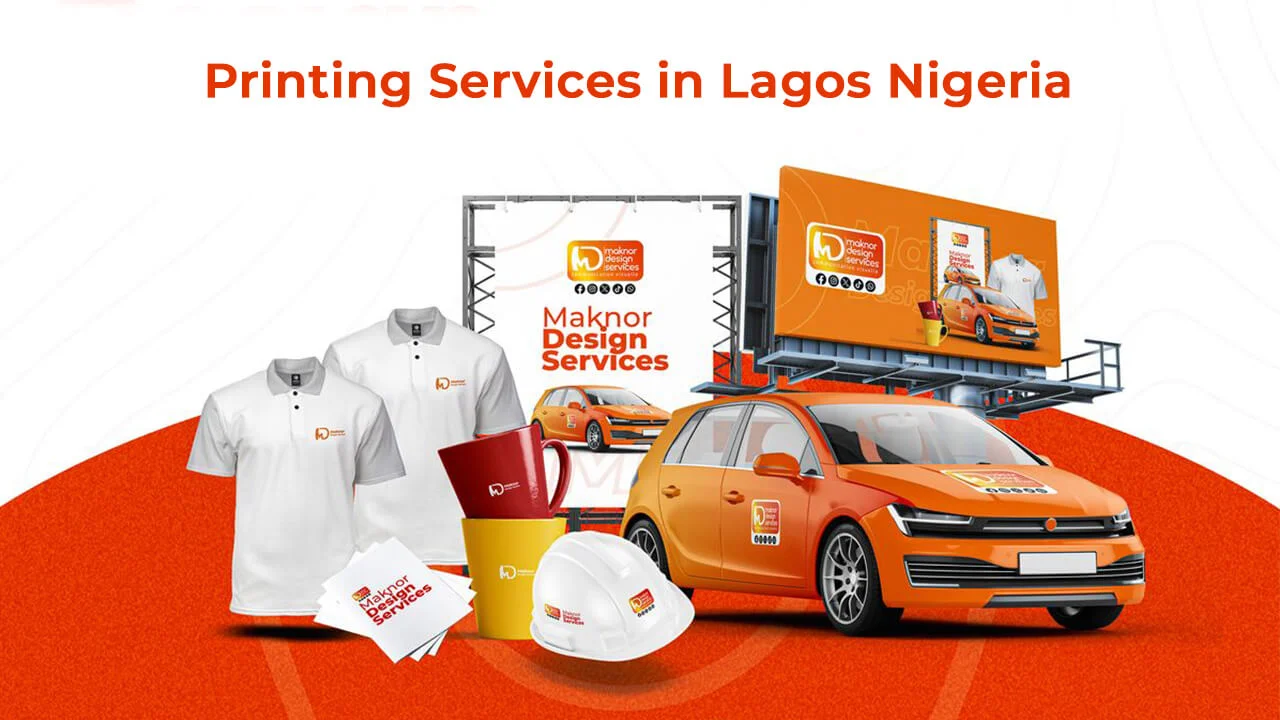
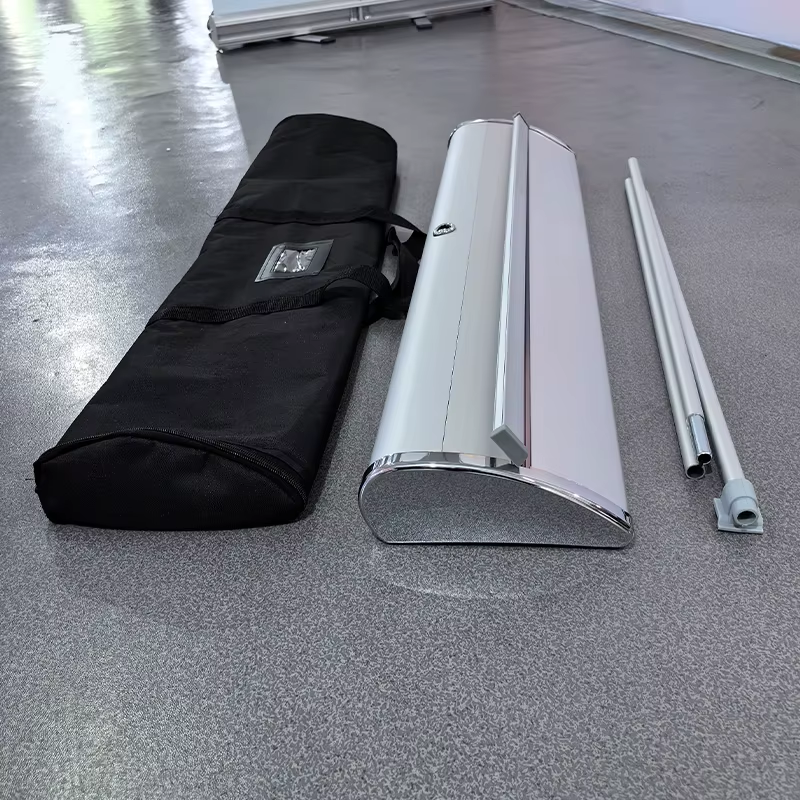
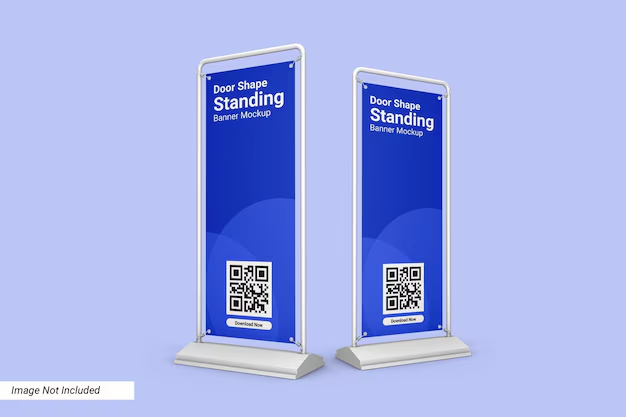
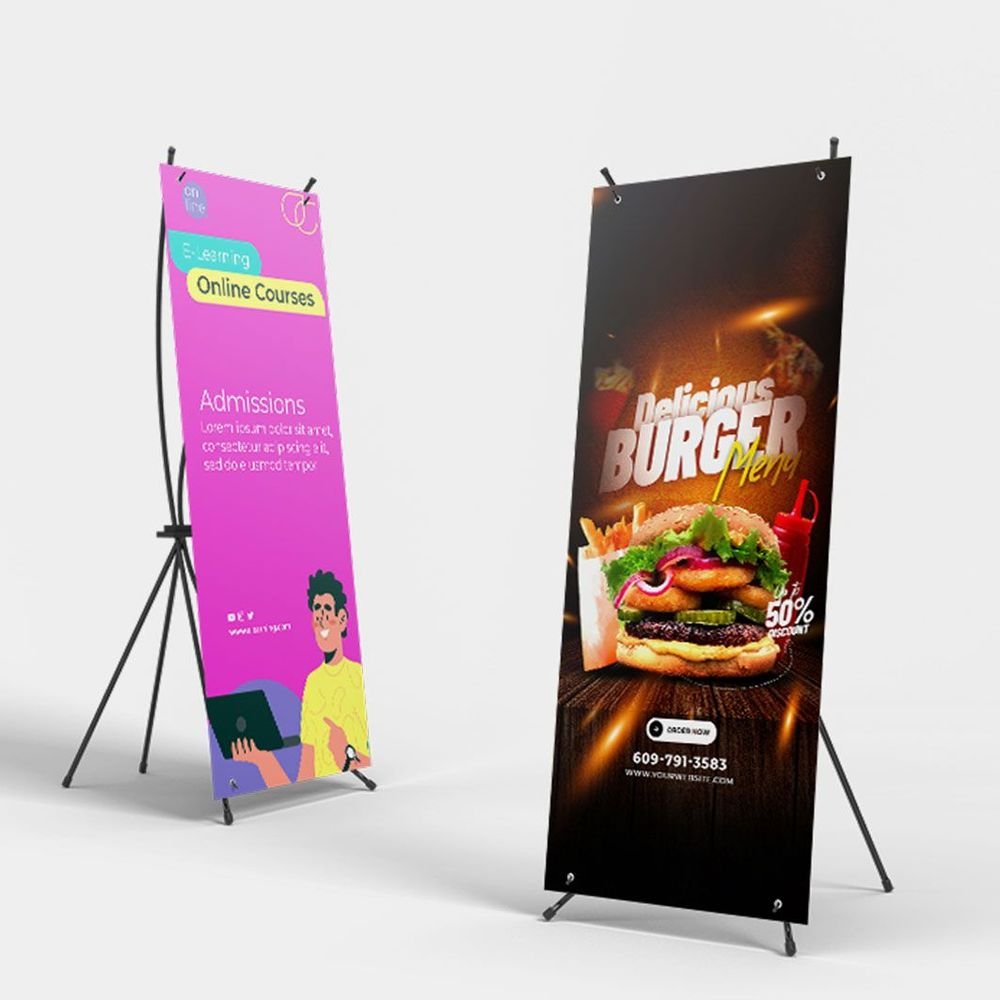
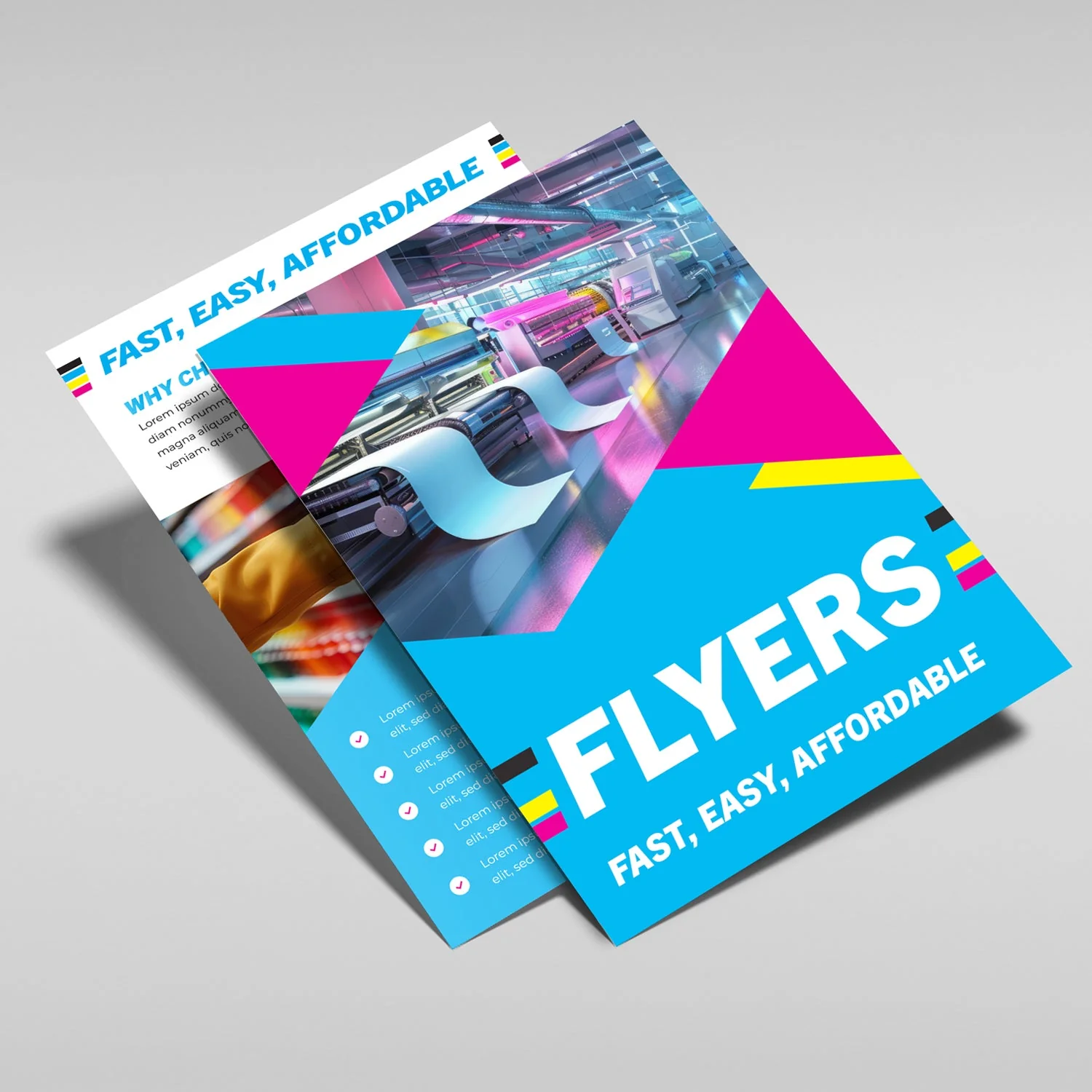
Marketing prints help businesses promote their products and services. Popular promotional materials include: Flyers and handbills, Brochures, Posters, Roll-up banners, Flex banners, Street banners, Feather flag banners, Event signage. These materials help attract customers and increase brand visibility.
Large Format Printing
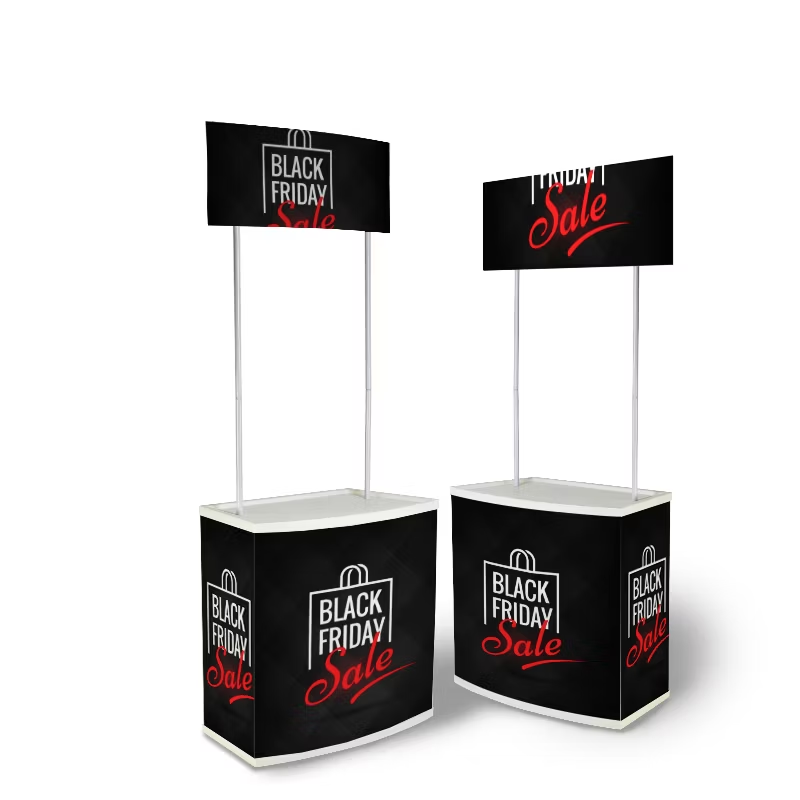
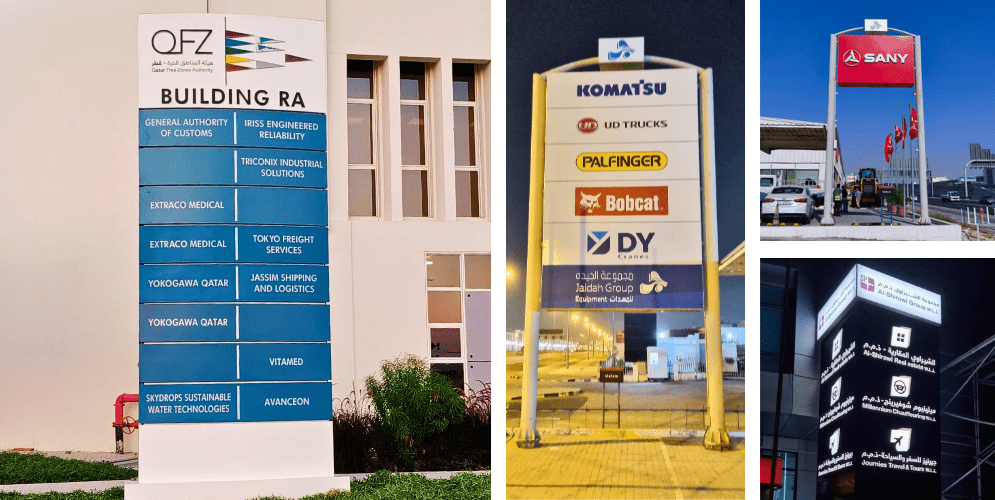
Large-format printing is used for outdoor advertising and event branding. Examples include: Event backdrops, Stage banners, Exhibition displays, Gazebo canopy tents, Trade show booths, Wall graphics, and Outdoor banners. Large-format printing requires specialized machines that print on large materials.
Apparel and Textile Printing
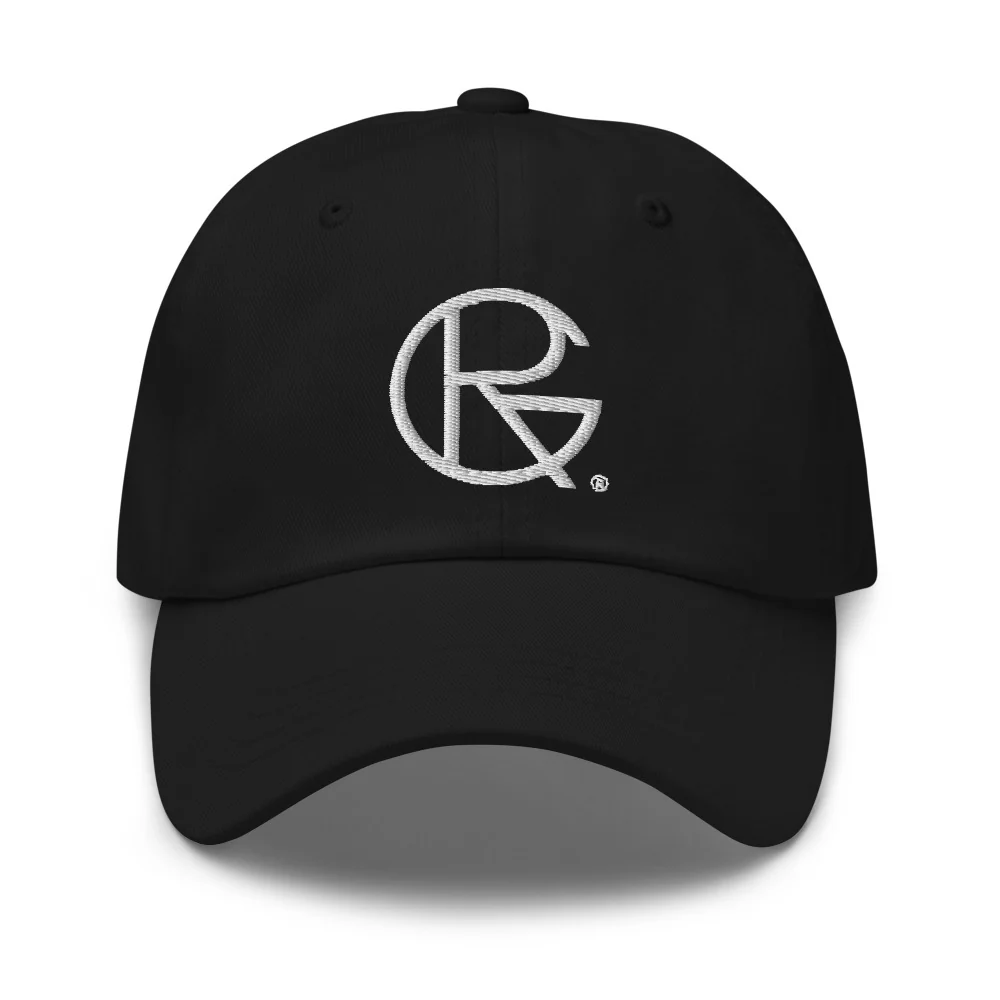
Customized apparel printing is widely used for branding and events. Examples include: Custom T-shirts, Polo shirts, Hoodies, Face caps, Tote bags, Sports jerseys, Corporate uniforms. This type of printing is popular for promotional campaigns and team branding.
Packaging and Label Printing
Packaging printing is essential for product branding. Common items include: Product labels, Custom stickers, Bottle labels, Packaging boxes, Paper bags, Food packaging labels, Cosmetic labels. Professional packaging helps products stand out in stores.
Corporate Gifts and Promotional Items
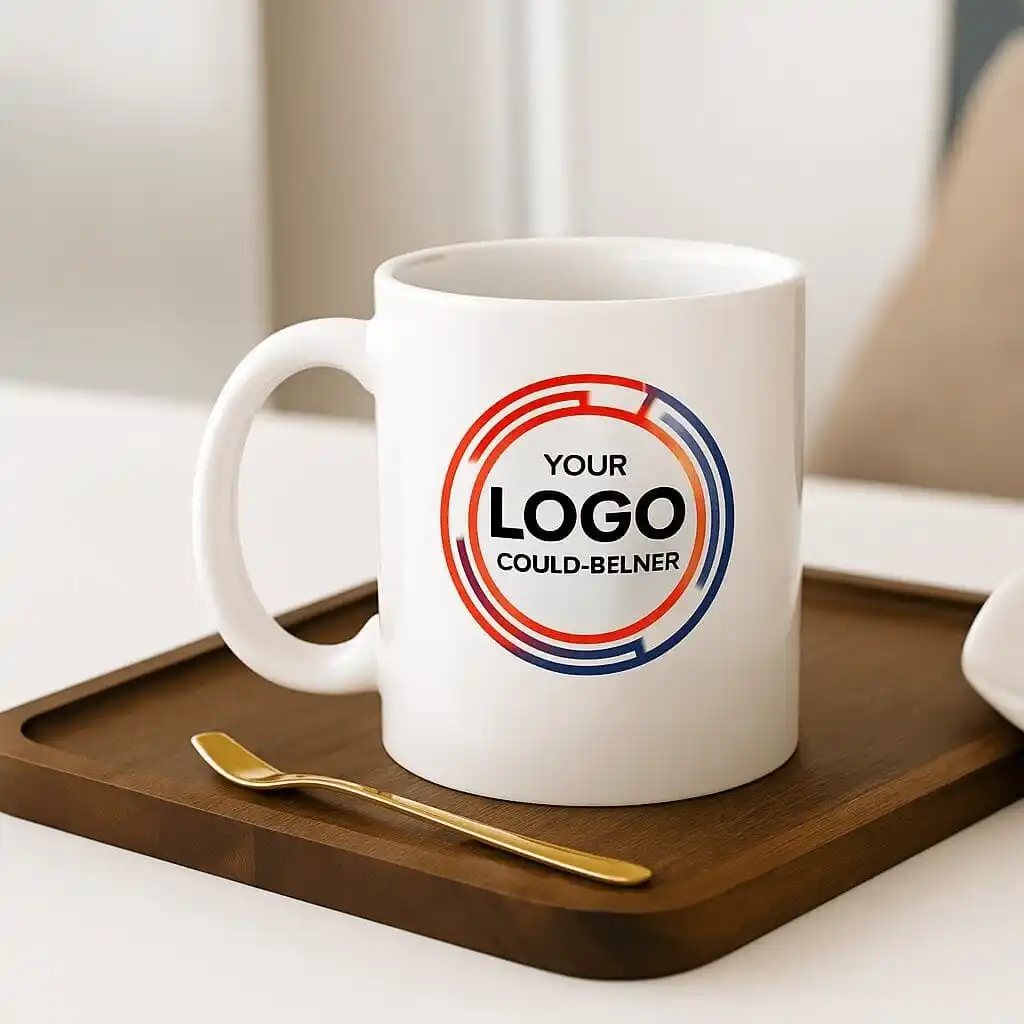
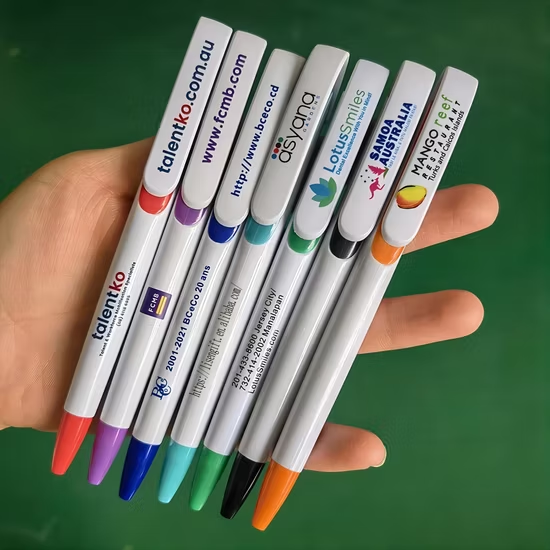
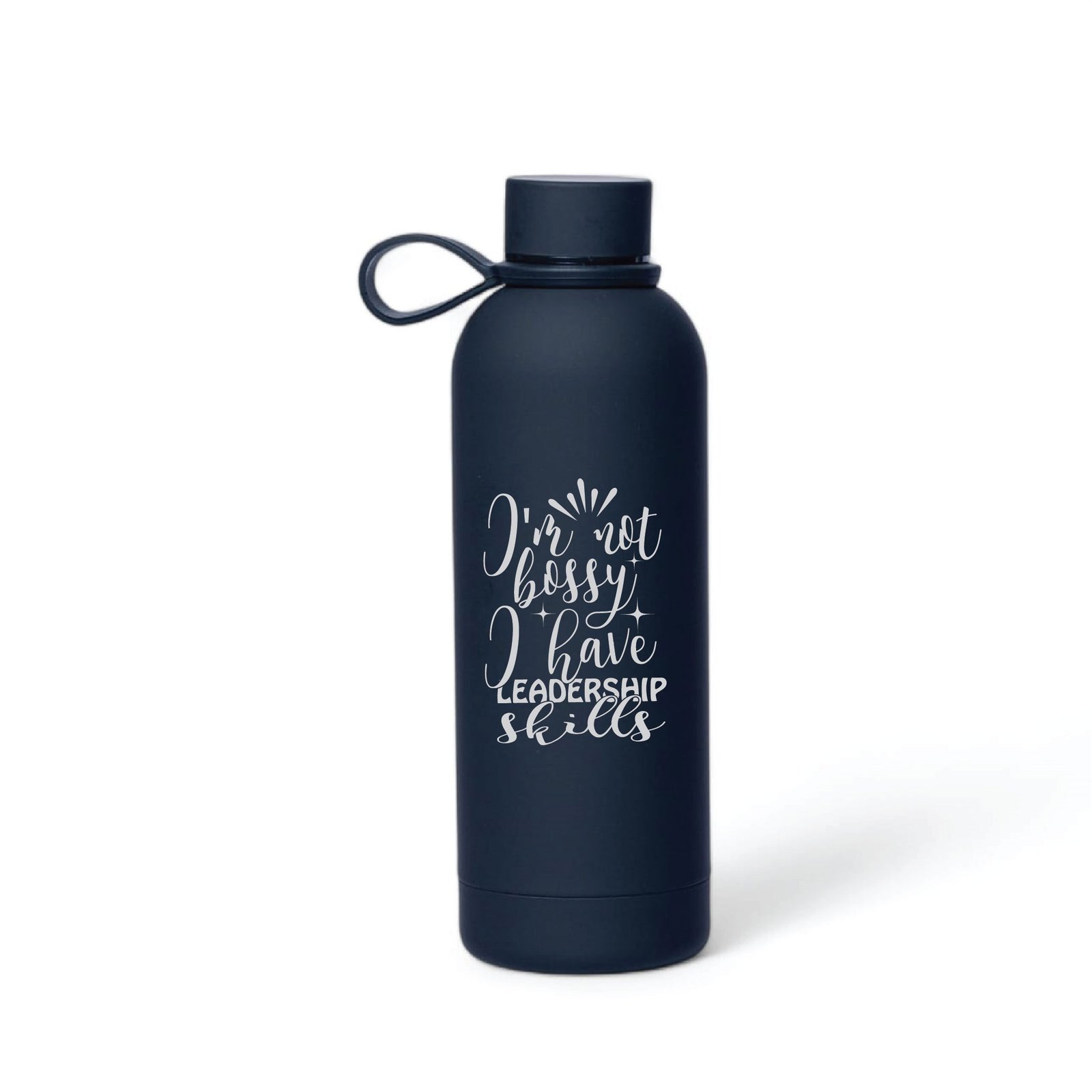
Businesses often print logos on promotional products to increase brand awareness. Examples include: Branded pens, Custom mugs, Key holders, Umbrellas, Water bottles, Power banks, Desk accessories. These items are commonly used for corporate events and marketing campaigns
How to Place an Online Printing Order
Placing an online printing order is simple when following the correct steps. Step 1: Choose the Product: The first step is selecting the printing product you need. For example: Roll-up banner, Business cards, Custom T-shirts, Flyers, Stickers, Paper bags. Each product usually has different sizes and material options.
Step 2: Select Specifications: Next, choose the specifications for your order. This may include: Size, Quantity, Material type, Finishing options, Color options, and Printing method. The specifications determine the final price. Step 3: Upload Your Artwork: Customers usually upload artwork files through the website. Supported file formats often include: PDF, PNG, JPG, AI, PSD, and EPS. High-resolution artwork ensures the best print quality. Step 4: Review the Design: Before printing begins, the design is reviewed to ensure: Correct sizeProper marginsCorrect colorsHigh resolutionNo missing fonts. Some printing companies provide digital proof approval. Step 5: Make Payments: Once the design is approved, payment can be made through: Bank transfer, Online payment, Card payment, POS payment, Payment on delivery (if available). After payment confirmation, production begins. Step 6: Production and Printing: The printing team prepares the machines and materials for production. This stage includes: Color calibration, Material preparation, Machine setup, and Print testing. Once everything is ready, the printing process begins. Step 7: Quality Check: After printing, products go through quality inspection. The team checks: Color accuracy, Print alignment, Material quality, Finishing quality. This ensures customers receive perfect prints. Step 8: Packaging and Delivery: Finished prints are carefully packaged and delivered to customers. Delivery options may include: Pickup from print shop, Local delivery, Nationwide courier delivery
Pricing Factors in Printing Services
Printing prices depend on several important factors. Quantity: The number of copies ordered greatly affects pricing. Bulk orders usually receive discounted pricing. Example: 500 flyers cost less per unit than printing 50 flyers. Material Type: Different materials have different costs. Examples include: Glossy paper, Matte paper, PVC banner material, Fabric material, Cardstock paper, Vinyl stickers. Higher-quality materials increase price. Printing Method: Different printing methods have different costs. Examples: Digital printing, Offset printing, Screen printing, Sublimation printing, UV printing. Size of Print: Larger prints require more materials and ink. For example, A1 posters cost more than A4 flyers. Finishing Options: Finishing processes can increase cost. Examples include: Lamination, Embossing, Foil stamping, Spot UV, Die cutting, and Binding. These finishing options add a premium look. Turnaround Time: Urgent printing jobs may cost more due to express production. Standard turnaround times usually offer better pricing. Send us a WhatsApp +2349028694908 message to ask for the current price.
How to Upload Artwork or Media Files
Artwork preparation is extremely important in printing. Poor artwork leads to poor print results. Recommended File Formats: Most printing companies accept: PDF, AI (Adobe Illustrator), PSD (Photoshop), EPS, PNG, JPG. Vector formats are preferred for logos and graphics. Resolution Requirements: Artwork should be at least 300 DPI for sharp printing. Low-resolution images may appear blurry. Color Mode: Professional printing uses CMYK color mode. RGB colors used for screens may produce inaccurate print colors. Bleed and Margins: Designs should include bleed margins to prevent white edges during cutting. Typical bleed size is: 3mm to 5mm. Fonts and Outlines: Fonts should be converted to outlines to prevent missing fonts during printing. Customization Options in Printing: Customization allows businesses to create unique branded products. Common customization options include: Custom colors, Logo printing, Personalized text, Unique sizes, Special materials, Variable data printing. Customized printing helps businesses stand out.
Specialty Printing Techniques: Specialty printing adds premium effects to printed materials. UV Printing: UV printing uses ultraviolet light to cure ink instantly. Advantages: Vibrant colors, Fast drying, Durable prints. Used for: Signs, Packaging, Promotional items. Embossing: Embossing raises certain parts of a design for a textured effect. Often used for: Business cards, Certificates, Invitations. Foil Stamping: Foil stamping adds metallic effects. Common colors include: Gold foil, Silver foil, Rose gold foil. Used for luxury branding. Spot UV: Spot UV adds glossy highlights to specific parts of a design. This technique creates contrast and visual impact. Die Cutting: Die cutting creates custom shapes instead of standard rectangles. Common uses include: Stickers, Packaging, Labels.
Understanding Different Printing Processes
Modern printing companies use various printing technologies. Digital Printing: Digital printing is commonly used for short runs and quick jobs. Advantages: Fast turnaround, Lower setup costs Ideal for small quantities. Offset Printing: Offset printing is used for large print runs. Advantages: High consistency, cost-effective for bulk printing, Excellent color quality. DTF printing allows full-color designs with exceptional detail and flexibility. Businesses in Lagos increasingly use borderless DTF printing for fashion branding, promotional clothing, corporate uniforms, event merchandise, and streetwear collections. Screen Printing: Screen printing is commonly used for textiles. Examples: Custom T-shirts, Face caps, Tote bags. This method produces durable prints. Unlike traditional printing methods that apply ink or transfers onto garments, embroidery uses thread to create raised, textured designs that are durable, elegant, and long-lasting. Sublimation Printing: Sublimation printing is used for: Mugs, Polyester shirts, and promotional products. It produces vibrant, long-lasting prints. One of the biggest advantages of UV printing is its versatility. UV printers can print on flat surfaces and rigid materials that traditional printers cannot handle. This allows businesses to produce customized items such as acrylic signage, branded phone cases, personalized gifts, promotional plaques, and display materials. Large Format Printing Technology: Large format printers produce prints for: Banners, Billboards, Exhibition displays, and Outdoor signage. These machines can print very large graphics.
Choosing the Right Printing Company
Selecting the right printing company ensures the best results. Look for a printing provider that offers: High-quality printing machines, Experienced design support, Competitive pricing, Fast turnaround time, Nationwide delivery, Reliable customer support. A trusted printing partner helps businesses maintain professional branding. Why Businesses Invest in Professional Printing. Professional printing offers several benefits. Businesses use printing to: Promote products and services, Build brand awareness, Increase customer trust, Improve marketing visibility, and Support events and promotions. Printed materials remain powerful marketing tools.
Final Thoughts
Printing remains an essential part of business communication, marketing, and branding. With modern online printing services, customers can easily order professional prints, upload artwork, customize designs, and receive delivery anywhere in Nigeria. Understanding how printing works—from artwork preparation to printing processes—helps businesses achieve the best results for their marketing materials. Whether you need business stationery, promotional banners, custom apparel, product packaging, or corporate gifts, professional printing ensures your brand looks polished, professional, and impactful. By working with a reliable printing provider and following proper artwork guidelines, businesses can produce high-quality prints that effectively represent their brand and attract customers. Contact SES Stores Prints today for more enquiries. Read our frequently asked questions (FAQs); including our Privacy and Return policies, Terms and Conditions.