Rechargeable Fan in Nigeria – Prices, Best Brands & Complete Buying Guide
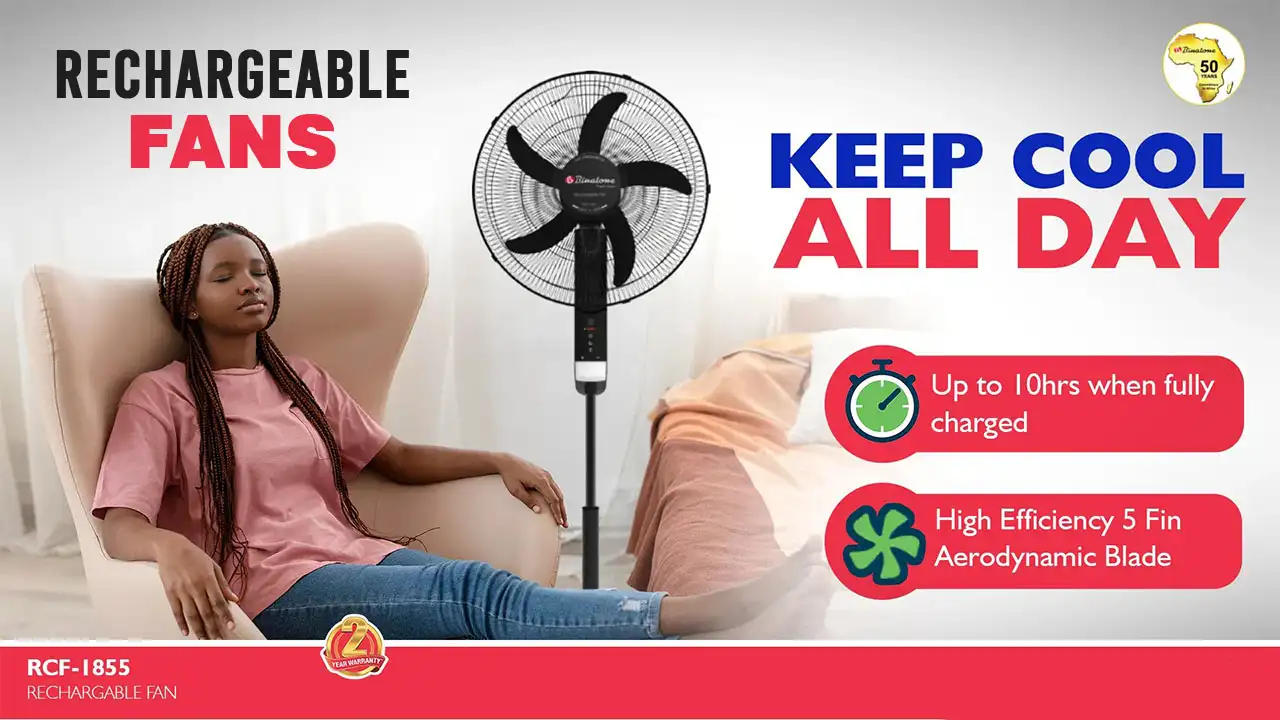
If you live in Nigeria, you already know how frustrating heat + no NEPA can be. That’s why the rechargeable fans has moved from “optional” to essential in many homes, offices and shops. Every month, thousands of Nigerians search Google for terms like “rechargeable fan,” “rechargeable fan price in Nigeria,” “rechargeable standing fan,” and “rechargeable fan Jumia” because they want something that will keep blowing even when light goes off.
Starting a solar installation or electrical business?
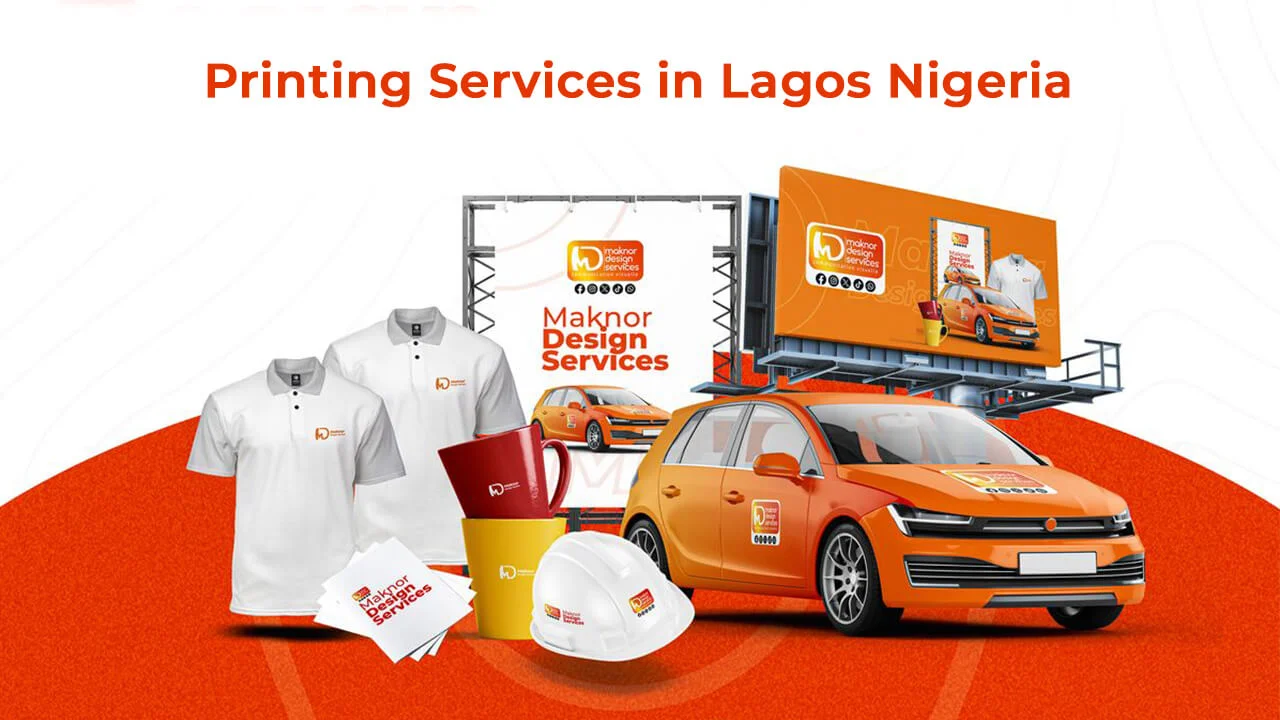
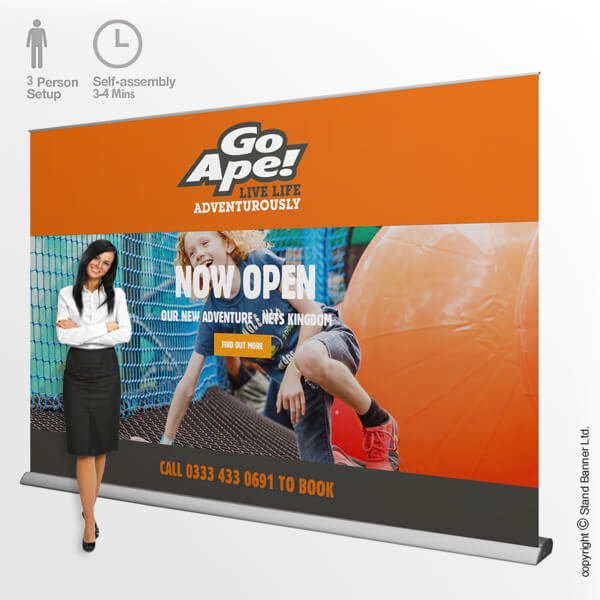
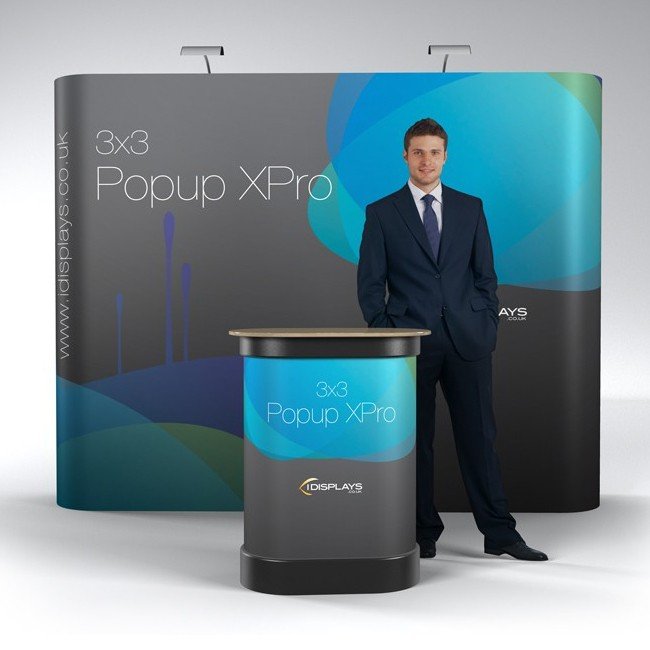
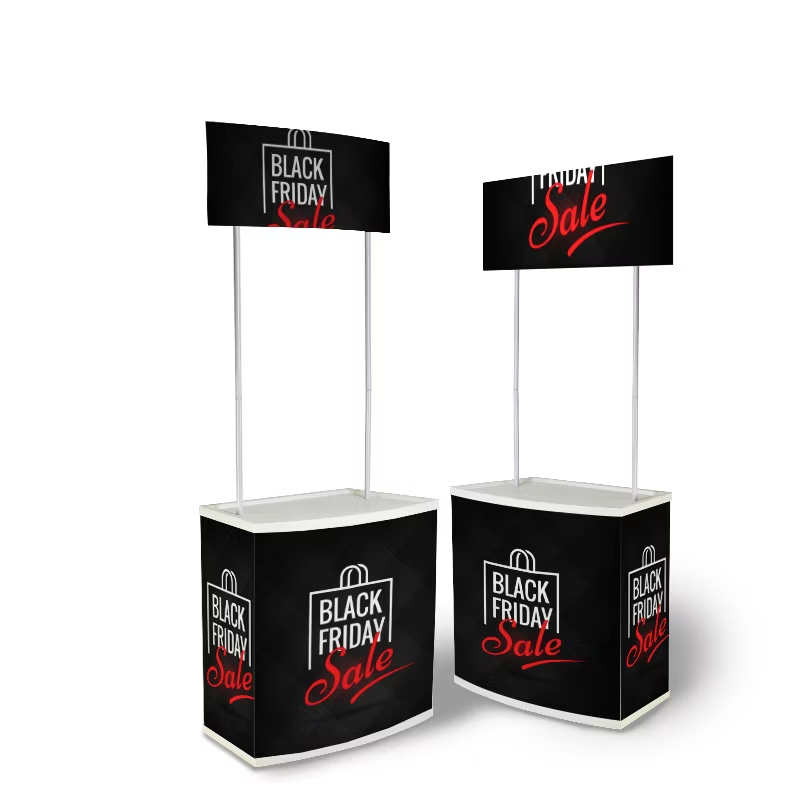
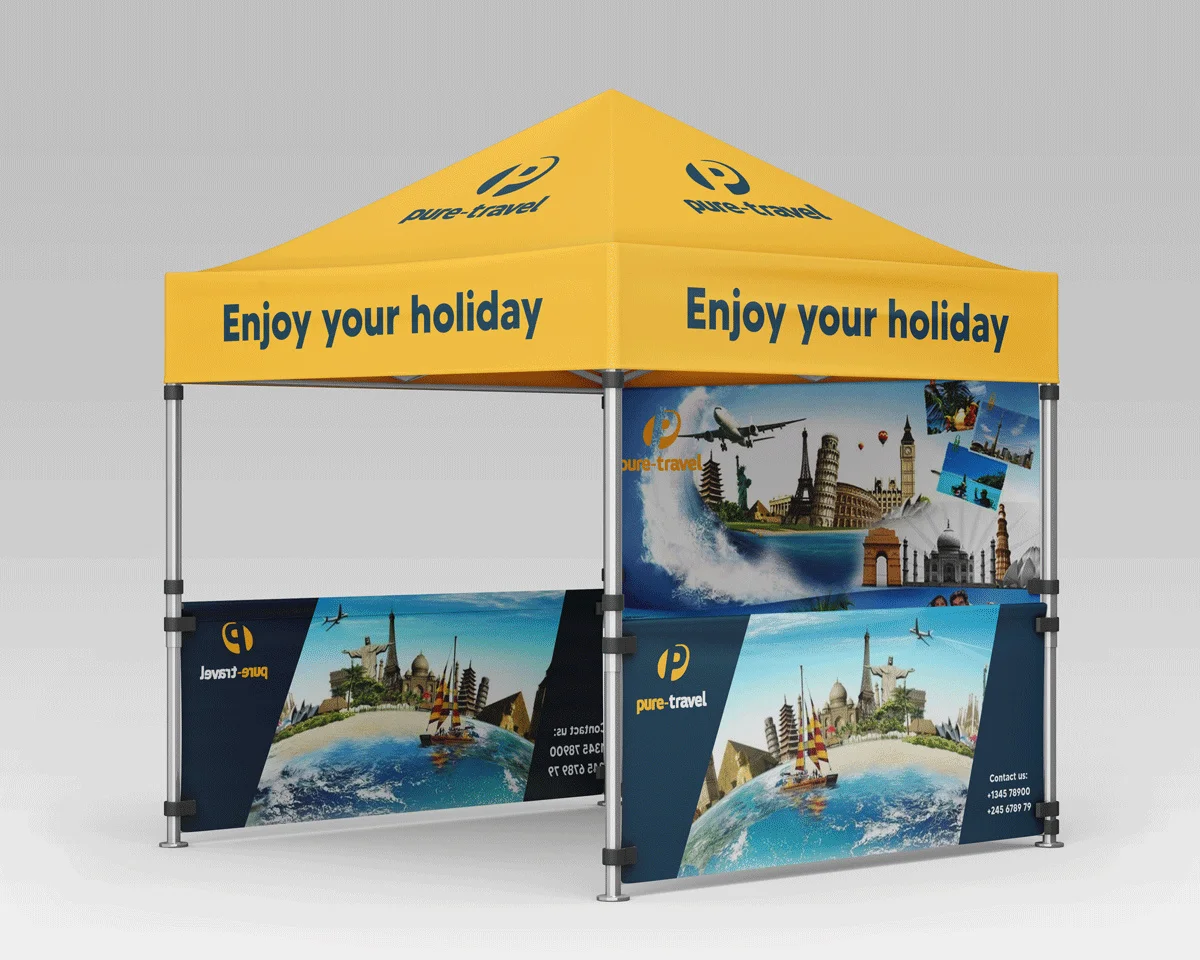
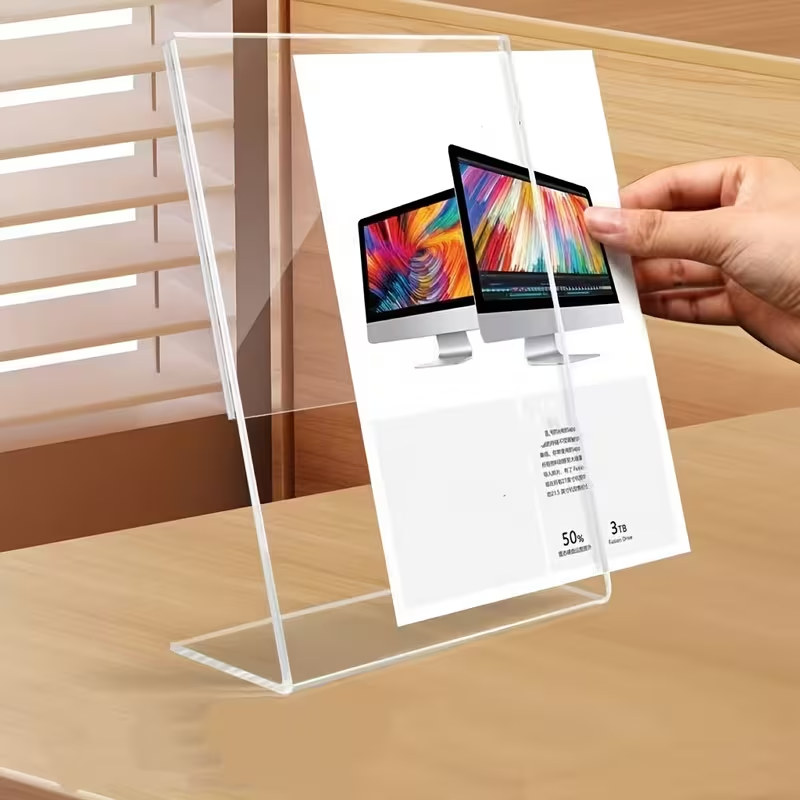
You’ll need proper branding to attract customers and look professional. We help technicians and installers print essential marketing materials such as business cards, flyers, roll-up banners, feather flag banners, foldable popup backdropevents banners and promotional counter tables for site promotion. You can also brand custom T-shirts, customized face caps and gazebo canopy tents for field visibility. For everyday marketing, we produce stickers, branded pens, jotters, paper bags, tote bags, custom mugs and customized handfans — simple tools that keep your business in customers’ minds long after the installation is completed.
Differences between standing, table, mini and solar rechargeable fans
How long they last, battery capacity, runtime and charging options
Where to buy (Jumia, physical shops, and niche stores)
Maintenance, common problems and how to make your fan last longer
By the end, you’ll know exactly which rechargeable fan to buy, how much to budget, and what features to look for so you don’t waste money.
What Exactly Is a Rechargeable Fan?
A rechargeable fan is a fan that runs on an in-built battery that you can recharge using:
NEPA / PHCN (grid power)
Generator
Solar panel (for some models)
Sometimes USB / power bank (for mini fans)
Once it is fully charged, the fan can keep working even when there is no electricity, usually between 4 and 18 hours, depending on the model and speed.
Most rechargeable fans in Nigeria are:
AC/DC fans – They can work on direct electricity and also on battery.
Equipped with LED lights, remote control, sometimes USB ports and solar charge ports.
Why Rechargeable Fans Are Very Popular in Nigeria
There are several reasons why “rechargeable fan” has become a hot keyword:
1. Unstable Power Supply
Many areas in Nigeria still experience frequent power outages. A rechargeable fan keeps you cool during:
Night outages (sleep comfortably)
Hot afternoons when there’s no light
Generator-off moments to save fuel
2. Cheaper Than AC
Not everyone can afford to buy and run a split air conditioner. A rechargeable fan:
Is cheaper to buy
Uses far less power
Does not require installation or high running cost
3. Portable and Flexible
Most models are easy to move from:
Bedroom → sitting room
Shop → home
Office → home
Mini and table types are very good for students, hostel rooms and small offices.
4. Wide Range of Options
You can choose between:
Rechargeable standing fan
Rechargeable table fan
18 inch rechargeable fan for strong airflow
Portable rechargeable fan / mini USB fans
Solar rechargeable fan with free solar charging
This flexibility makes it easy for any budget and space.
Rechargeable Fan Price in Nigeria
Because of inflation and exchange rate, prices change often, but we can work with realistic ranges from online stores like Solar Energy Supply Stores, Jumia, Kara, Zit and local electronics shops.
Price Table – Rechargeable Fan Price in Nigeria
Type of Rechargeable Fan
Typical Size
Estimated Price Range (₦)
Ideal For
Mini / Portable Rechargeable Fan
4–8 inches
₦4,000 – ₦15,000
Personal use, students, office desk
Rechargeable Table Fan
10–14 inches
₦15,000 – ₦40,000
Bedrooms, hostel, small shops
Rechargeable Fan with Light
12–16 inches
₦20,000 – ₦45,000
Homes that need backup lighting
Rechargeable Standing Fan
16 inches
₦40,000 – ₦80,000
Bedrooms, parlours, small offices
18-Inch Rechargeable Standing Fan
18 inches
₦55,000 – ₦120,000+
Shops, open spaces, large rooms
Solar Rechargeable Fan (with solar panel)
12–18 inches
₦45,000 – ₦150,000+
Areas with poor grid power, rural areas
Note: Some premium models from brands like Lontor, TINMO, Duravolt, Polystar, Nexus and others can sit in the higher range, especially when they include solar panel + remote + USB + LED bulbs.
Types of Rechargeable Fans in Nigeria (Standing, Table, Solar & More)
To rank well on Google, we need to cover all major search variations: standing fan, table fan, portable fan, solar rechargeable fan, 18-inch fan, etc.
1. Rechargeable Standing Fan
The rechargeable standing fan is the most popular type in Nigerian homes and shops. It usually comes in 16–18 inches with an adjustable height.
Key Features:
Tall stand with wide blades for strong airflow
Multiple speed levels (Low, Medium, High, Turbo)
Many models include remote control and timer
Runtime can be from 4–12 hours depending on speed and battery
Standing fans are perfect for:
Living rooms
Bedrooms
Shops / boutiques
Small offices
Rechargeable Table Fan
These are smaller and usually cheaper than standing fans.
Features:
Blade size often 10–14 inches
Sits on a table, stool, inverter top or bedside
Ideal for personal cooling in small spaces
Battery capacity is usually smaller, but runtime is still decent at low speed
Good for:
Students in hostels
One-room apartments
Offices where you share socket space
3. Mini Portable Rechargeable Fan
If you’ve seen those cute small fans people hold in their hands or place on their laptop desk, those are mini portable rechargeable fans.
Often charged via USB / power bank
Blade size: 3–7 inches
Used for outdoor events, travel, buses, classrooms
Not meant for cooling a whole room – more for personal breeze
4. Solar Rechargeable Fan
A solar rechargeable fan is a game-changer for areas with very poor grid power. Instead of relying only on NEPA, you can charge your fan using a solar panel.
Many modern models, such as some TINMO, Duravolt, Miratec and Lontor solar fans, come with:
DC input for solar charging
Included solar panel in the box
USB outputs to charge phones or LED bulbs
Yes, these fans can cost more upfront, but they save you money on:
Generator fuel
Constant battery replacement
5. Multi-Function Rechargeable Fans (Fan + Light + Power Bank)
Some newer models are marketed as “3-in-1 rechargeable fan” because they combine:
Fan
LED lamp or lantern
USB ports for charging phones
These are perfect for:
Students
Rural communities
Emergency power backup for small households
Best Rechargeable Fan Brands in Nigeria (Top Picks)
When Nigerians search “best rechargeable fan” or “which rechargeable fan should I buy”, certain brands come up frequently on Solar Energy Supply Stores, Jumia, Kara, Zit, Nairaland discussions, etc.
Here’s a breakdown:
1. Qasa Rechargeable Fan
Qasa is one of the most popular names in the rechargeable fan market.
Why Nigerians like Qasa:
Strong airflow
Many models in 16–18 inches with remote
Some versions come with solar charge ports
Known for durability if used correctly
2. Lontor Rechargeable Fan
Lontor is another big player for table and standing fans.
Has mini fans, table fans and standing fans
Often includes LED lights and USB charging port
Some 18-inch models and solar rechargeable Lontor fans are sold on Solar Energy Supply Stores, Jumia and other platforms.
3. Century Rechargeable Fan
Century is a household name in Nigeria for fans, stabilizers and electronics.
Popular 16–18 inch rechargeable standing fans
Remote, timer and multiple speed levels standard in many models
Many Nigerians trust Century due to long presence in the market
4. Ox & Duravolt Rechargeable Fans
These brands are known for strong airflow and are popular in:
Shops
Churches
Schools
Event centres
Duravolt especially has models advertised as 18” rechargeable standing fan with long-life battery + solar support.
5. TINMO, Polystar, Nexus & Others
Other brands you’ll see when checking rechargeable fan Jumia include: Jumia Nigeria
TINMO – Lots of 18 inch rechargeable solar standing fans with remote
Polystar – Known for powerful 18-inch models
Nexus – Offers different sizes and designs
Binatone, Syinix, Andrakk, Sonik, Akari – Each with their own unique designs
How Long Does a Rechargeable Fan Last After Charge?
The runtime of a rechargeable fan depends on:
Battery capacity (measured in mAh or Ah)
Number of speed levels
Whether you’re using extra features (like LED light)
Motor efficiency
Typical Runtime by Battery Size
Battery Capacity
Expected Runtime (Low Speed)
Expected Runtime (High Speed)
2,000 – 4,000mAh
2 – 4 hours
1 – 2 hours
5,000 – 8,000mAh
4 – 8 hours
2 – 4 hours
9,000 – 12,000mAh
6 – 12 hours
3 – 6 hours
13,000 – 18,000mAh
8 – 18 hours
4 – 8 hours
These are estimated ranges. Always check the manufacturer’s spec sheet or the product carton.
Pro tip for buyers: If you live in an area where NEPA brings light only at night, go for a fan with at least 9,000mAh battery upward and avoid using the highest speed all the time.
Key Features to Check Before Buying a Rechargeable Fan
1. Fan Size (Inches)
10–12 inches → good for table use or small rooms
14–16 inches → good balance for bedrooms and standard parlours
18 inches → best for shops, large parlours and open spaces
2. Battery Capacity & Type
Check:
Capacity (e.g. 7Ah, 12Ah, 18Ah or mAh rating)
Battery type: Lead-acid vs Lithium-ion
Lead-acid
Cheaper
Heavier
If over-charged or left plugged in always, it weakens faster
Lithium-ion
Lighter
Charges faster
More expensive but usually lasts more charge cycles
3. Charging Options
Some buyers simply want a fan that can charge with NEPA + generator. Others want:
Solar charging port (DC 12V or 15V input)
USB port for phone charging
Detachable battery that can be charged separately
4. Extra Features (Remote, Timer, LED Light)
Features that Nigerians love:
Remote control – helpful at night when you don’t want to stand up
Timer – you can set it to turn off by itself
LED light – works as a mini rechargeable lamp during outages
Oscillation – helps to distribute air across the room
5. Brand Reputation & Warranty
Because rechargeable fans depend heavily on battery quality, brand reputation matters.
Before buying, check:
Warranty details (6–12 months if available)
Local service centres or availability of spare parts (battery, PCB, motor)
Rechargeable Fan Jumia – Should You Buy Online or Offline?
Advantages of Buying Rechargeable Fan on Jumia
Wide variety of brands and sizes – Lontor, TINMO, Qasa, Glamstar, Miratec, etc. Jumia Nigeria+1
Ability to read customer reviews & ratings before buying
Occasional discounts, Black Friday promos and flash sales
Doorstep delivery across Nigeria
Disadvantages / Things to Watch Out For
Some products may be sold by third-party sellers with limited warranty
You cannot physically test the fan before buying
Return process can take time if you get a faulty unit
Easier to return to the same shop for battery replacement
The best approach for visitors to your site is:
Research online → compare prices and brands → then decide whether to buy online or from a trusted local shop.
Rechargeable Fan vs Normal Standing Fan vs Solar Fan
Feature
Rechargeable Fan
Normal AC Standing Fan
Solar Fan (with solar panel)
Works without NEPA
✅ Yes (on battery)
❌ No
✅ Yes (on battery + solar)
Initial Cost
Medium
Low
High
Running Cost
Low
Medium (if on generator)
Very low (uses sun)
Ideal For
Homes, shops with frequent outages
Homes with stable power
Rural / off-grid areas
Portability
High
Medium
Medium–High
How to Maintain a Rechargeable Fan So It Lasts Longer
A lot of Nigerian users complain that “my rechargeable fan battery no longer lasts” after 6–12 months. Most times, it is due to poor charging habits and lack of maintenance.
1. Avoid Constant Over-Charging
Do not leave your fan permanently plugged in after it is fully charged.
Other e-commerce stores like Kara and Zit for specific brands and pay-on-delivery options.
Offline Options
Electronics shops in Computer Village, Alaba, Trade Fair, Wuse Market, Oil Mill, Ariaria, etc.
Brand showrooms (e.g. some brands have dedicated experience stores).
Open markets where you can negotiate price.
“Solar Energy Supply Stores is a trusted online shop where you can compare rechargeable fan prices in Nigeria, read guides, and order with ease.
Frequently Asked Questions (FAQ) About Rechargeable Fans in Nigeria
1. How much is a rechargeable fan in Nigeria?
Depending on size and brand, rechargeable fan prices in Nigeria range from about ₦4,000 for mini fans to over ₦120,000 for large 18-inch solar rechargeable standing fans.
2. Which rechargeable fan brand is the best?
Top brands with good reputation include Qasa, Lontor, Century, Ox, Duravolt, TINMO, Polystar, Nexus, Binatone and Syinix. Each has models for different budgets.
3. How long can a rechargeable fan last after full charge?
On average:
Mini fans: 2–6 hours
Table fans: 4–10 hours
Standing fans: 6–18 hours on low speed
Actual runtime depends on battery size and how you use it.
4. Can I charge my rechargeable fan with solar?
Yes—if the fan supports it. Look for models labelled “solar rechargeable fan”, “DC 12V input” or those that come with a solar panel in the box.
5. Is rechargeable solar fan better than normal fan?
If you live in an area with frequent power outages, yes. A rechargeable fan continues working when NEPA goes off, while a normal fan stops immediately. However, a normal fan is usually cheaper if your power supply is stable.
6. Can the rechargeable fan battery be replaced?
Yes. Many fans use replaceable 6V or 12V batteries. A technician can change them when they get weak, instead of you buying a completely new fan.
Conclusion – Is a Rechargeable Fan Worth It in Nigeria?
For most Nigerians, the answer is yes.
A good rechargeable fan:
Keeps you comfortable during power outages
Costs less than an AC system
Can run on battery, solar or grid power
Comes in different sizes (mini, table, standing, 18-inch) to match your room and budget
Printing remains one of the most powerful tools for business marketing, branding, events, and communication. From business cards and flyers to roll-up banners, custom T-shirts, stickers, packaging labels, and corporate promotional items, printed materials help businesses communicate professionally and reach customers effectively. With the rise of online printing services in Nigeria, businesses and individuals can now place printing orders conveniently from anywhere without visiting a physical print shop. This modern approach saves time, reduces errors, and ensures faster turnaround times. This complete guide explains everything you need to know about professional printing services, including how online printing works, how to place an order, pricing factors, artwork preparation, customization options, specialty printing, and the printing processes used by modern print companies. Whether you are a small business owner, corporate organization, event planner, church, school, or entrepreneur, understanding how printing works will help you get the best results for your projects.
Unlike basic printing done with office printers, professional printing provides: Higher print resolution, Better color accuracy, Durable materials, Large format capabilities, Bulk printing efficiency and Professional finishing. This ensures businesses maintain a strong and professional brand image.
The Rise of Online Printing in Nigeria
Online printing has transformed the printing industry by allowing customers to order printing services digitally. Instead of visiting a print shop physically, customers can now: Browse printing products online, upload their artwork, customize their designs, select quantities and sizes, make payments online, and receive delivery nationwide. This digital model is especially beneficial for businesses in cities such as Lagos, Abuja, Port Harcourt, Ibadan, Enugu, and Kano. Online printing platforms allow companies to serve customers across Nigeria efficiently.
Benefits of Online Printing Services
Online printing offers several advantages over traditional print ordering. Convenience:Customers can place orders anytime from anywhere using their computer or smartphone. Faster Turnaround Time: Orders are processed quickly because the workflow is automated. Easy Design Upload: Customers can upload artwork files directly through the website. Nationwide Delivery: Orders can be delivered across Nigeria without requiring physical pickup. Transparent Pricing: Online systems show prices instantly based on quantity and specifications. Reduced Errors: Digital proofing ensures designs are reviewed before printing begins. For businesses that require frequent printing, online printing simplifies the entire process.
Types of Printing Services Available
Business Printing Services
Business printing is essential for corporate branding and daily operations. Common business printing materials include: Business cards, Letterheads, Envelopes, Notepads, Jotters, Presentation folders, and corporate reports. These materials help businesses maintain a consistent brand identity.
Marketing and Promotional Printing
Marketing prints help businesses promote their products and services. Popular promotional materials include: Flyers and handbills, Brochures, Posters, Roll-up banners, Flex banners, Street banners, Feather flag banners, Event signage. These materials help attract customers and increase brand visibility.
Large Format Printing
Large-format printing is used for outdoor advertising and event branding. Examples include: Event backdrops, Stage banners, Exhibition displays, Gazebo canopy tents, Trade show booths, Wall graphics, and Outdoor banners. Large-format printing requires specialized machines that print on large materials.
Apparel and Textile Printing
Customized apparel printing is widely used for branding and events. Examples include: Custom T-shirts, Polo shirts, Hoodies, Face caps, Tote bags, Sports jerseys, Corporate uniforms. This type of printing is popular for promotional campaigns and team branding.
Packaging and Label Printing
Packaging printing is essential for product branding. Common items include: Product labels, Custom stickers, Bottle labels, Packaging boxes, Paper bags, Food packaging labels, Cosmetic labels. Professional packaging helps products stand out in stores.
Corporate Gifts and Promotional Items
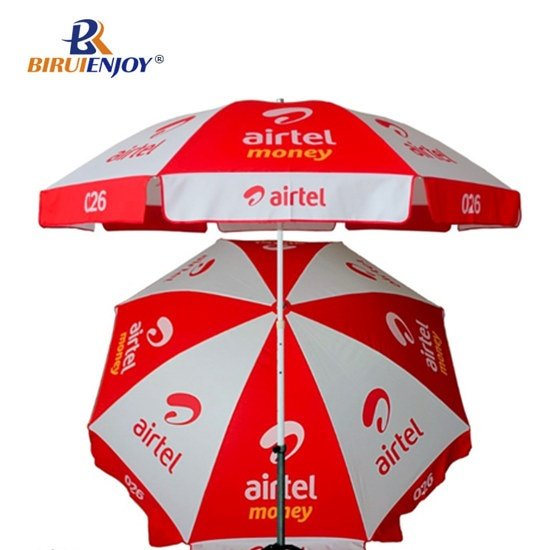
Businesses often print logos on promotional products to increase brand awareness. Examples include: Branded pens, Custom mugs, Key holders, Umbrellas, Water bottles, Power banks, Desk accessories. These items are commonly used for corporate events and marketing campaigns
How to Place an Online Printing Order
Placing an online printing order is simple when following the correct steps. Step 1: Choose the Product: The first step is selecting the printing product you need. For example: Roll-up banner, Business cards, Custom T-shirts, Flyers, Stickers, Paper bags. Each product usually has different sizes and material options.
Step 2: Select Specifications: Next, choose the specifications for your order. This may include: Size, Quantity, Material type, Finishing options, Color options, and Printing method. The specifications determine the final price. Step 3: Upload Your Artwork: Customers usually upload artwork files through the website. Supported file formats often include: PDF, PNG, JPG, AI, PSD, and EPS. High-resolution artwork ensures the best print quality. Step 4: Review the Design: Before printing begins, the design is reviewed to ensure: Correct sizeProper marginsCorrect colorsHigh resolutionNo missing fonts. Some printing companies provide digital proof approval. Step 5: Make Payments: Once the design is approved, payment can be made through: Bank transfer, Online payment, Card payment, POS payment, Payment on delivery (if available). After payment confirmation, production begins. Step 6: Production and Printing: The printing team prepares the machines and materials for production. This stage includes: Color calibration, Material preparation, Machine setup, and Print testing. Once everything is ready, the printing process begins. Step 7: Quality Check: After printing, products go through quality inspection. The team checks: Color accuracy, Print alignment, Material quality, Finishing quality. This ensures customers receive perfect prints. Step 8: Packaging and Delivery: Finished prints are carefully packaged and delivered to customers. Delivery options may include: Pickup from print shop, Local delivery, Nationwide courier delivery
Pricing Factors in Printing Services
Printing prices depend on several important factors. Quantity: The number of copies ordered greatly affects pricing. Bulk orders usually receive discounted pricing. Example: 500 flyers cost less per unit than printing 50 flyers. Material Type: Different materials have different costs. Examples include: Glossy paper, Matte paper, PVC banner material, Fabric material, Cardstock paper, Vinyl stickers. Higher-quality materials increase price. Printing Method: Different printing methods have different costs. Examples: Digital printing, Offset printing, Screen printing, Sublimation printing, UV printing. Size of Print: Larger prints require more materials and ink. For example, A1 posters cost more than A4 flyers. Finishing Options: Finishing processes can increase cost. Examples include: Lamination, Embossing, Foil stamping, Spot UV, Die cutting, and Binding. These finishing options add a premium look. Turnaround Time: Urgent printing jobs may cost more due to express production. Standard turnaround times usually offer better pricing. Send us a WhatsApp +2349028694908 message to ask for the current price.
How to Upload Artwork or Media Files
Artwork preparation is extremely important in printing. Poor artwork leads to poor print results. Recommended File Formats: Most printing companies accept: PDF, AI (Adobe Illustrator), PSD (Photoshop), EPS, PNG, JPG. Vector formats are preferred for logos and graphics. Resolution Requirements: Artwork should be at least 300 DPI for sharp printing. Low-resolution images may appear blurry. Color Mode: Professional printing uses CMYK color mode. RGB colors used for screens may produce inaccurate print colors. Bleed and Margins: Designs should include bleed margins to prevent white edges during cutting. Typical bleed size is: 3mm to 5mm. Fonts and Outlines: Fonts should be converted to outlines to prevent missing fonts during printing. Customization Options in Printing: Customization allows businesses to create unique branded products. Common customization options include: Custom colors, Logo printing, Personalized text, Unique sizes, Special materials, Variable data printing. Customized printing helps businesses stand out.
Specialty Printing Techniques: Specialty printing adds premium effects to printed materials. UV Printing: UV printing uses ultraviolet light to cure ink instantly. Advantages: Vibrant colors, Fast drying, Durable prints. Used for: Signs, Packaging, Promotional items. Embossing: Embossing raises certain parts of a design for a textured effect. Often used for: Business cards, Certificates, Invitations. Foil Stamping: Foil stamping adds metallic effects. Common colors include: Gold foil, Silver foil, Rose gold foil. Used for luxury branding. Spot UV: Spot UV adds glossy highlights to specific parts of a design. This technique creates contrast and visual impact. Die Cutting: Die cutting creates custom shapes instead of standard rectangles. Common uses include: Stickers, Packaging, Labels.
Understanding Different Printing Processes
Modern printing companies use various printing technologies. Digital Printing: Digital printing is commonly used for short runs and quick jobs. Advantages: Fast turnaround, Lower setup costs Ideal for small quantities. Offset Printing: Offset printing is used for large print runs. Advantages: High consistency, cost-effective for bulk printing, Excellent color quality. DTF printing allows full-color designs with exceptional detail and flexibility. Businesses in Lagos increasingly use borderless DTF printing for fashion branding, promotional clothing, corporate uniforms, event merchandise, and streetwear collections. Screen Printing: Screen printing is commonly used for textiles. Examples: Custom T-shirts, Face caps, Tote bags. This method produces durable prints. Unlike traditional printing methods that apply ink or transfers onto garments, embroidery uses thread to create raised, textured designs that are durable, elegant, and long-lasting. Sublimation Printing: Sublimation printing is used for: Mugs, Polyester shirts, and promotional products. It produces vibrant, long-lasting prints. One of the biggest advantages of UV printing is its versatility. UV printers can print on flat surfaces and rigid materials that traditional printers cannot handle. This allows businesses to produce customized items such as acrylic signage, branded phone cases, personalized gifts, promotional plaques, and display materials. Large Format Printing Technology: Large format printers produce prints for: Banners, Billboards, Exhibition displays, and Outdoor signage. These machines can print very large graphics.
Choosing the Right Printing Company
Selecting the right printing company ensures the best results. Look for a printing provider that offers: High-quality printing machines, Experienced design support, Competitive pricing, Fast turnaround time, Nationwide delivery, Reliable customer support. A trusted printing partner helps businesses maintain professional branding. Why Businesses Invest in Professional Printing. Professional printing offers several benefits. Businesses use printing to: Promote products and services, Build brand awareness, Increase customer trust, Improve marketing visibility, and Support events and promotions. Printed materials remain powerful marketing tools.
Final Thoughts
Printing remains an essential part of business communication, marketing, and branding. With modern online printing services, customers can easily order professional prints, upload artwork, customize designs, and receive delivery anywhere in Nigeria. Understanding how printing works—from artwork preparation to printing processes—helps businesses achieve the best results for their marketing materials. Whether you need business stationery, promotional banners, custom apparel, product packaging, or corporate gifts, professional printing ensures your brand looks polished, professional, and impactful. By working with a reliable printing provider and following proper artwork guidelines, businesses can produce high-quality prints that effectively represent their brand and attract customers. Contact SES Stores Prints today for more enquiries. Read our frequently asked questions (FAQs); including our Privacy and Return policies, Terms and Conditions.
Get our emails for info on new items, sales and more.
By subscribing you agree to our Terms & Conditions and Privacy & Cookies Policy.
Need help?
09031619810
Delivery
SES Stores Prints is a business solutions and commercial printing company based in Lagos, Nigeria. We provide digital, offset and large-format printing, packaging and graphic design services tailored for individuals, startups and growing businesses. Our goal is to deliver reliable, high-quality production using modern equipment, responsive support and fair pricing. We serve (SMEs, LMEs/MEs), corporate organizations, schools, churches, event planners and agencies across Nigeria and beyond.